0%

Finding the best 40-foot shipping containers for sale in China starts with a clear plan for how you will use one. A storage unit, a workshop, and an export-ready container may need different features. The lowest quoted price can look attractive, but it may not include inland delivery, unloading, or the condition you expect. Details matter.

This guide explains what to compare when reviewing Chinese suppliers and container listings. Check whether the unit is new or used, standard height or high cube, and ask for its exact dimensions and condition report. For a used container, request clear photos of the roof, floor, doors, corner castings, and interior. Look for visible corrosion, damaged seals, and signs of water entry. If you need the container for sea transport, confirm the relevant inspection documents and acceptance requirements with the seller and shipping provider. A photo alone is not proof. Not always.

Before paying, ask for a written quotation that identifies the container, delivery location, fees, and any warranty terms. Compare the same specifications across suppliers rather than relying on broad claims such as “best quality.” Supplier credentials and a video inspection can add useful evidence, though they cannot replace a careful contract review. Even then, some uncertainty remains. A practical comparison helps you choose a container that suits your budget, location, and intended use—not just one that looks good in a listing.
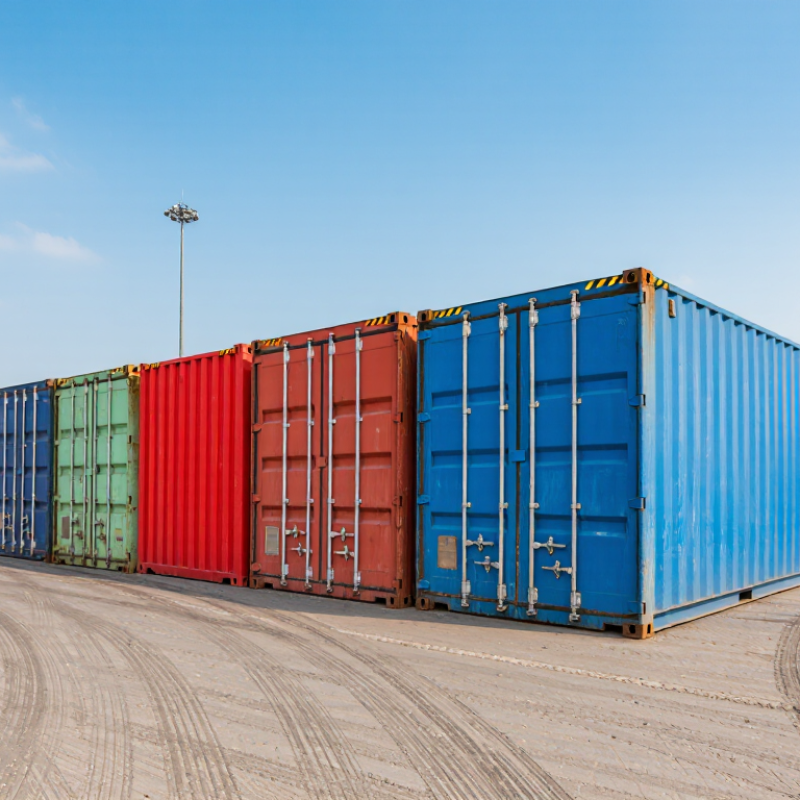
China Best 40 Foot Shipping Containers for Sale?

What Defines a 40-Foot Shipping Container?

A 40-foot shipping container is a standardized cargo unit, not simply a long metal box. Under ISO 668, its nominal external length is 12.192 metres, with a standard height of 2.591 metres and width of 2.438 metres. High-cube versions are taller, usually by about 30 centimetres. Internal measurements are smaller because walls, corner posts, and doors take up space. Dimensions can also vary slightly by design.

In shipping practice, a standard 40-foot container is counted as two TEU, or twenty-foot equivalent units. UNCTAD’s Review of Maritime Transport 2024 reported global container-port throughput of about 858 million TEU in 2023. That scale helps explain why shared container dimensions matter across ships, ports, and handling equipment. Yet “40-foot” does not specify the container’s tare weight, payload, or condition. Those details vary. A faded data plate or damaged floor can matter more than the outside measurements, and dimensions alone are an imperfect buying guide.

Tips: Check the door-end identification plate for gross weight and payload limits. Measure the opening, too, if cargo clearance is tight. Look closely at the floor and roof. Small defects are easy to miss.

Which 40-Foot Container Types Are Available in China?

China’s 40-foot container choices commonly include standard dry and high-cube units. A standard dry container suits boxed goods, furniture, and palletized cargo. High-cube models add roughly 30 centimeters of interior height, useful for tall loads. ISO 668:2020 specifies standard external dimensions: about 12.19 meters long and 2.44 meters wide. Check the details. Internal space varies by construction and condition.

Specialized options include refrigerated containers, open-top units, flat racks, and side-opening models. Refrigerated units control temperature but need a suitable power supply and functioning machinery. Open tops allow loading from above; flat racks accommodate cargo that will not fit within enclosed walls. These types are not equally available in every Chinese port or depot. Fit matters. Ask sellers for internal dimensions, tare weight, payload, door opening size, and recent inspection records.

UNCTAD’s Review of Maritime Transport 2024 reports 858.9 million TEU in global port throughput for 2023. That figure shows the scale of container handling, but does not indicate local stock of each 40-foot type. A product listing can also make “available” sound more certain than it is. Confirm the unit’s location, condition, and delivery arrangements before comparing prices; photographs alone may miss floor damage or refrigeration faults.

How to Compare Chinese Container Manufacturers and Suppliers

When comparing Chinese manufacturers and suppliers of 40-foot shipping containers, look beyond the quoted price. Ask for factory production records, material certificates, weld inspection procedures, and clear delivery terms. Check a sample container’s corner castings, door seals, floor joints, and paint coverage; small gaps can become costly problems after repeated handling. Confirm dimensions against ISO 668 and request evidence that the unit’s safety approval and inspection records match its intended use. Paperwork matters. So does the weld.

Compare suppliers using the same specification sheet, including steel grade, floor material, coating system, payload, warranty, and spare-parts support. The World Bank’s 2023 Logistics Performance Index placed China 19th, with a score of 3.7 out of 5; that measures national logistics performance, not any individual factory. UNCTAD’s Review of Maritime Transport 2024 reported that global maritime trade grew 2.4% in 2023, underscoring the value of realistic production and shipping schedules. Ask for recent inspection photos and a written production timeline, then verify details independently where possible. I would still inspect a unit before final acceptance; documents can look cleaner than the container.

China Best 40 Foot Shipping Containers for Sale? - How to Compare Chinese Container Manufacturers and Suppliers
Comparison Dimension 40-Foot Standard Dry Container 40-Foot High-Cube Dry Container What to Check with Each Supplier
Typical Use General-purpose transport and storage for packaged cargo. General-purpose transport and storage when extra internal height or volume is useful. Confirm the container type, intended cargo, route, and whether a new or used unit is required.
Nominal External Dimensions About 12,192 mm long × 2,438 mm wide × 2,591 mm high. About 12,192 mm long × 2,438 mm wide × 2,896 mm high. Ask for the exact drawing and tolerances. Dimensions can vary by design and manufacturer.
Approximate Internal Dimensions Typically around 12,030 mm long × 2,350 mm wide × 2,390 mm high. Typically around 12,030 mm long × 2,350 mm wide × 2,695 mm high. Request the unit-specific internal measurements, especially if cargo or handling equipment has tight clearances.
Approximate Internal Volume About 67–68 m³. About 76 m³. Confirm usable volume from the specification sheet; lining, fittings, and construction details can affect it.
Maximum Gross Weight Many standard ISO containers are rated up to 30,480 kg, but the approved rating is unit-specific. Check the CSC safety approval plate and the container’s stated maximum gross weight. Do not rely on a generic listing.
Payload and Tare Weight Both depend on the container’s actual tare weight and its approved maximum gross weight. Request the tare weight and payload for the exact unit. Confirm that road, rail, port, and vessel limits are also met.
Door Opening Typically about 2,340 mm wide × 2,280 mm high. Typically about 2,340 mm wide × 2,585 mm high. Verify clear opening measurements and door operation if cargo dimensions are close to the limit.
Flooring Marine-grade plywood flooring is common; thickness and floor construction vary by specification. Confirm floor material, thickness, condition, allowable floor loading, and any treatment or documentation requirements.
Steel and Coating Construction and coating specifications vary; weathering-resistant steel is commonly used for container structures. Ask for material grades, coating system, surface-preparation method, and inspection records. Compare like-for-like specifications.
CSC and Shipping Approval International transport requires the applicable safety approval and a valid container identification and rating. Request clear photographs of the CSC plate and confirm approval validity and acceptance requirements with the carrier or leasing company.
Quality Inspection Inspection scope should cover dimensions, welds, doors, seals, flooring, coating, markings, and structural condition. Agree on a pre-shipment inspection checklist, photo and video evidence, acceptance criteria, and who pays for inspection.
Quotation and Delivery The final cost depends on specification, quantity, destination, freight, and delivery terms. Compare itemized quotations, production lead time, Incoterms, port or inland delivery charges, payment milestones, and cancellation terms.
Warranty and After-Sales Support Coverage varies by seller, product condition, and contract. Obtain written warranty terms, exclusions, claims process, spare-parts availability, and the contact responsible for resolving defects.

What Factors Affect Prices and Delivery?

A 40-foot container’s price depends on more than its size. New units usually cost more than used ones, while condition, steel prices, factory capacity, and exchange rates affect the quote. Inspect the floor for soft spots, the roof for dents, and the doors for a tight seal. Small defects matter. A low price may exclude loading, port handling, or inland trucking, so ask for each charge separately. I would treat any online price as a starting point, not a firm offer.

Delivery costs can shift quickly. UNCTAD’s Review of Maritime Transport 2024 reported that Suez Canal transits fell 42% in the two months to mid-February 2024, as ships diverted around Africa. Longer routes can raise freight costs and extend delivery estimates. Drewry’s World Container Index reached US$5,318 per 40-foot container on June 27, 2024. That benchmark measures ocean freight, not the container’s sale price, but it shows how transport costs can change. Timing matters. Before ordering, confirm the container’s origin, delivery address, unloading access, and whether the quote includes local transport. Even then, schedules can slip. A clear written breakdown helps reveal what the estimate leaves out.

How to Inspect and Buy a 40-Foot Container in China?

China Best 40 Foot Shipping Containers for Sale?

A 40-foot container can look sound in listing photos and still have hidden problems. Ask for its exact external and internal dimensions, age, condition, and intended use. Request recent photos of the roof, floor, corner posts, door seals, and identification plate. In person, check for daylight through door seals, soft floor patches, deep corrosion, and doors that bind. A small dent is not always a concern; distorted frame corners deserve closer attention. For a costly purchase, arrange an independent inspection and compare the report with the seller’s written description.

Tips: Bring a flashlight and tape measure. Open and close both doors, inspect the floor from end to end, and photograph any damage before payment.

Confirm what delivery includes: transport, unloading, and access to the site may be priced separately. Get the container number, condition grade, and agreed repairs in writing. Do not rely on “like new” without specific evidence. It is easy to focus on the price and overlook delivery access; a narrow gate or soft ground can disrupt the plan. I would also leave time for a second check, because rushed inspections can miss details.

FAQS

What types of 40-foot containers are commonly available in China?

Standard dry and high-cube containers are common options. Refrigerated, open-top, flat-rack, and side-opening units may also be available. Stock varies by port and depot.

How do standard and high-cube containers differ?

Both are about 12.19 meters long and 2.44 meters wide externally. A high-cube unit adds roughly 30 centimeters of interior height. Check the exact internal dimensions before loading tall cargo.

Which container type suits temperature-sensitive goods?

A refrigerated container can control temperature, but its machinery must work properly. Confirm that a suitable power supply is available during storage and transport. A faulty unit could spoil the load.

What details should I confirm before buying?

Ask for internal dimensions, tare weight, payload, and door opening size. Request recent inspection records and confirm the unit’s location and condition. Photos can miss trouble.

How can I assess a supplier’s container quality?

Check corner castings, door seals, floor joints, welds, and paint coverage. Ask for material certificates, inspection procedures, and a written production timeline. Paperwork matters, but it cannot replace an inspection.

What should I compare when reviewing supplier quotes?

Use the same specification sheet for each quote. Compare steel grade, flooring, coating, payload, warranty, spare-parts support, and delivery terms. A low price may leave out key costs.

What affects the price of a 40-foot container?

New units usually cost more than used ones. Condition, steel prices, factory capacity, and exchange rates can also affect the quote. Inspect the floor for soft spots and the roof for dents.

What delivery costs and delays should I plan for?

Ask whether the quote includes loading, port handling, ocean freight, and inland trucking. Confirm the origin, delivery address, and unloading access. Routes and schedules can change, so get a written cost breakdown.

Conclusion

Choosing the best 40-foot shipping containers for sale in China starts with understanding their standard dimensions, capacity, and condition. Buyers can compare common options such as standard dry containers, high-cube models with extra interior height, and refrigerated units designed for temperature-sensitive cargo. The right choice depends on the intended use, required features, available space, and whether a new or used container is suitable.

When comparing manufacturers and suppliers, review product specifications, materials, quality-control procedures, customization options, and communication practices. Prices and delivery schedules may vary according to container type, condition, order quantity, location, transport arrangements, and seasonal demand. Before purchasing, confirm the specifications and total costs in writing, request clear inspection records or detailed photos, and arrange an in-person or independent inspection when practical. These steps can help buyers assess value and coordinate a reliable delivery.

Arthur

Arthur

Arthur is a professional marketing specialist dedicated to helping customers better understand our company’s products, capabilities, and values. With a strong understanding of product features, industry trends, customer needs, and market development, he creates clear, practical, and informative......