0%

Choosing the right 10-foot shipping containers requires more than comparing prices online. Their compact size can solve difficult storage problems, but only when the specifications match the site, cargo, and handling equipment.

Marc Levinson, a respected shipping historian, observed, “The container made the world smaller and more prosperous.” His insight explains why container selection still matters today. A 10-foot unit can fit beside a workshop, behind a retail store, or beneath a restricted-access loading area. However, every location introduces practical limits.

Measure the space carefully. Allow room for doors, drainage, ventilation, and delivery equipment. Check whether the container is new, refurbished, or heavily used. Rust around the frame, damaged corner castings, and uneven doors can become expensive problems. Inspect the floor, roof seams, locking bars, and internal odor before purchase.

Think about the cargo.

Will it hold tools, documents, machinery, or temperature-sensitive goods? Standard steel walls offer strength, but they do not automatically provide insulation. Moisture control may require vents, desiccants, or a modified interior. Those additions affect cost and usable space.

Experience also exposes an uncomfortable truth: the cheapest container is rarely the cheapest solution. Delivery access, ground preparation, repainting, and repairs can change the final budget. I have seen buyers focus on external dimensions and overlook door clearance. That mistake is easy to prevent.

This guide explains how to compare 10-foot shipping containers by condition, security, construction, transport requirements, and long-term value. It also highlights questions worth asking suppliers before committing to a unit. Reliable choices begin with measured facts, not attractive photographs.
How to Choose the Best 10-Foot Shipping Containers?

Understanding 10-Foot Shipping Container Types and Uses

How to Choose the Best 10-Foot Shipping Containers?

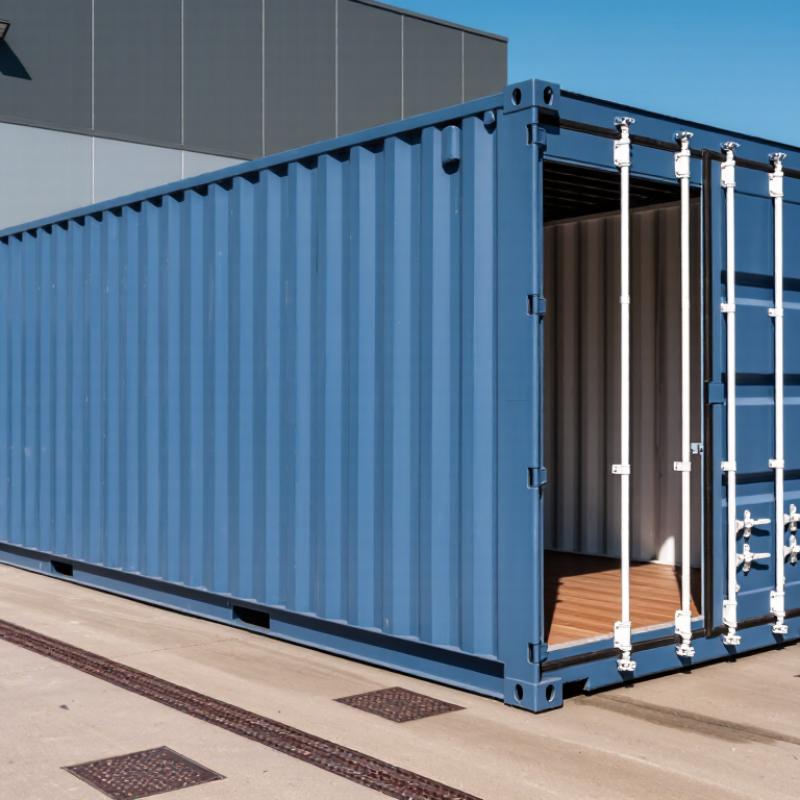
A 10-foot shipping container suits compact sites, small businesses, and limited-access properties. Its short footprint fits beside workshops, homes, and temporary work areas. The standard dry container is the most flexible type. It protects tools, furniture, records, and packaged materials from rain and dust. Check the internal length, door width, payload rating, and floor condition before choosing one. External dimensions can vary slightly between manufacturers.

Insulated containers help control temperature changes for sensitive materials. They are useful for storage rooms, site offices, and temperature-sensitive equipment. Refrigerated versions provide active cooling, but they require stable electricity and regular servicing. Open-top types can handle tall equipment, although they offer less weather protection. A side-opening design may improve access in narrow yards. It can also increase cost and maintenance needs.

Field inspections often reveal small problems that photographs hide. Look for soft flooring, damaged door seals, rust around corner posts, and water stains inside the roof. Test the locking bars. Inspect the ventilation openings. A container placed directly on wet ground may develop moisture problems, even when its exterior looks sound. Concrete blocks or steel supports create airflow underneath. This detail is easy to overlook. I would also allow extra space around the doors, because a perfect fit on paper can become awkward during daily loading. Local transport limits, placement permits, and lifting access should be confirmed before purchase.

Assessing Size, Capacity, and Site Requirements

A 10-foot shipping container suits compact sites, but its capacity can be misleading. External dimensions are often about 10 feet long and 8 feet wide. Internal space is smaller because of steel walls and insulation. Many units provide roughly 15 cubic metres of usable volume. Always check the actual specification plate.

Measure your goods before choosing the container. A standard pallet may fit, but door width can restrict loading. Leave space for hand trucks, protective packaging, and air movement. Weight matters too. Heavy machinery may reach the payload limit before the container looks full. Distribution is important. Uneven loading can stress the floor and complicate handling.

Site conditions deserve equal attention. Measure the delivery route, not only the final position. Gates, low branches, sharp turns, and overhead cables can stop a delivery vehicle. Keep firm, level support beneath the corner posts. Concrete pads or compacted ground may work, depending on soil conditions. Allow room for doors to open fully. Check drainage after rain.

Do not rely on a rough sketch.

In practice, small errors become expensive. I have seen plans ignore a few inches of clearance around a gate. That mistake delayed placement. Ventilation may also be necessary when temperature changes create condensation. Local planning and placement rules can vary, so confirm them before ordering. A careful site survey often matters more than choosing the cheapest unit.

Comparing Materials, Condition, and Weather Resistance

How to Choose the Best 10-Foot Shipping Containers?

Material choice affects strength, maintenance, and weather resistance. Most shipping containers use weathering steel because it develops a protective oxide layer. This layer slows corrosion, but it does not stop rust in salty or damp locations. ISO 1496-1 specifies structural and weatherproofness tests for general-purpose freight containers. ISO 668 also defines standard dimensions. These standards provide a useful quality reference, not a guarantee for every used unit. Aluminum containers weigh less, but they can dent more easily. Marine plywood floors resist heavy use, yet standing water can still cause swelling or odor.

Condition matters more than appearance. The World Shipping Council’s Containers Lost at Sea report recorded 576 containers lost in 2024, compared with 221 in 2023. This figure represents about 0.0002% of approximately 250 million containers transported annually.

It shows how severe weather and cargo forces can expose weak structures. A ten-foot unit should have straight corner posts, an intact roof, and doors that close evenly. Inspect rubber gaskets closely. Small gaps become visible during wind-driven rain.

Check the floor for soft patches, chemical stains, and repaired boards. I once underestimated a minor roof dent; it later collected water. That mistake was avoidable. Ask for inspection records, repair history, and evidence of recent leak testing before choosing a container.

Checking Security Features, Modifications, and Compliance

How to Choose the Best 10-Foot Shipping Containers?

A secure 10-foot shipping container should resist forced entry and everyday weather. Inspect the locking bars, hinges, door seals, and corner castings closely. Look for thick steel around the doors, protected hinges, and a lockbox that shields the padlock. Small gaps matter. A flashlight can reveal warped frames, pinholes, or daylight beneath the doors. Check the floor for soft areas, chemical odors, and water stains. These details often reveal neglect before paperwork does.

Modifications can improve usefulness, but every cut changes the container’s strength. Professionally fitted personnel doors, vents, windows, insulation, and electrical systems should include neat welds and sealed edges. Ask how each opening was reinforced. Poorly installed wiring, sharp metal, or blocked ventilation creates practical safety problems. I would not accept a fresh coat of paint as proof of quality. It may hide corrosion. The inspection needs patience.

Compliance depends on the container’s intended use. For international sea transport, verify a current CSC safety plate, readable identification marks, and inspection records. For storage, workshops, or site offices, check local structural, fire, electrical, and placement requirements. Documentation should match the container’s serial number and modification history. If records are incomplete, treat that as a warning, not a minor inconvenience. A container can look excellent and still fail an important requirement. Recheck measurements, door operation, and drainage before purchase.

Evaluating Prices, Delivery Options, and Long-Term Value

A 10-foot shipping container can look inexpensive until delivery costs appear. The purchase price is only one part of the decision. UNCTAD’s Review of Maritime Transport 2024 reports that maritime trade grew by about 2.1% in 2023 and may grow 2% in 2024. Capacity pressure can therefore change freight quotes quickly. Ask for separate prices for the container, inspection, transport, unloading, and local taxes.

Delivery distance matters more than many buyers expect. A small container may still require a suitable truck, lifting equipment, and road access. The World Bank’s Logistics Performance Index 2023 evaluates customs, infrastructure, and delivery timeliness across countries. These factors can affect your final schedule. Request a written delivery window, vehicle dimensions, waiting fees, and damage responsibility. A cheap quote is not always a low-cost quote. I would also compare new, used, and refurbished units. Condition can matter more than age, but a very low price deserves careful questions.

Tips: Check door seals, floor corrosion, roof leaks, and locking bars before payment. Confirm the container’s external dimensions and lifting requirements. Estimate five-year costs, including repainting, repairs, security, and relocation. Do not assume a 10-foot unit is automatically easier to place. Narrow access, soft ground, or overhead cables can create expensive surprises. Reflect on your estimate after receiving the site survey; early assumptions are often too optimistic.

How to Choose the Best 10-Foot Shipping Containers? - Evaluating Prices, Delivery Options, and Long-Term Value

A practical comparison of specifications, purchase costs, delivery factors, and ownership value

Evaluation Area Key Metric Typical Data or Range What to Check Long-Term Value Impact
Basic Size External dimensions Approximately 10 ft L × 8 ft W × 8 ft 6 in H Confirm the actual length, width, and height before arranging delivery. The compact footprint can reduce site-preparation and placement costs where space is limited.
Usable Space Internal dimensions Typically about 9 ft 3 in L × 7 ft 8 in W × 7 ft 10 in H Interior measurements vary with wall thickness, flooring, and container design. Accurate measurements prevent costly modifications or unsuitable storage layouts.
Door Access Standard door opening Approximately 7 ft 8 in W × 7 ft 5 in H Measure the widest and tallest items that will be moved inside. A wider access opening improves usability and reduces loading labor.
Container Weight Tare weight Approximately 2,900–3,700 lb, depending on construction Ask for the exact tare weight for transport planning and equipment selection. Lower tare weight may reduce handling costs, but heavier construction can improve durability.
Load Capacity Maximum gross weight Often rated near 67,000 lb for standard dry containers; verify the door plate Never exceed the container rating, local road limits, or lifting-equipment limits. A higher structural rating provides flexibility for dense goods and future uses.
New Purchase Price Wind- and watertight condition Approximately US$2,500–$5,000 before delivery and taxes Request the manufacturing year, floor condition, door seals, and proof of watertightness. Higher upfront cost usually means fewer repairs and a longer useful service period.
Used Purchase Price Cargo-worthy or storage-grade condition Approximately US$1,500–$3,500 before delivery and taxes Inspect for corrosion, patches, bent rails, damaged locking bars, and floor contamination. A well-inspected used unit can offer the best cost-to-service-life ratio.
Delivery Distance Local or regional transport Commonly about US$300–$1,500, depending on distance and access Confirm whether transport, unloading, fuel surcharges, and waiting time are included. A nearby unit may be cheaper overall than a lower-priced container located far away.
Unloading Method Tilt-bed truck, trailer, or crane-assisted placement Basic delivery may be included; difficult placement can add several hundred dollars or more Check road width, overhead clearance, turning space, ground firmness, and placement distance. Proper access planning avoids failed deliveries, repositioning fees, and site damage.
Site Preparation Foundation and drainage A level, compacted surface with support under the corner castings is generally recommended Keep the container level, elevated from standing water, and supported at its corners. Good drainage reduces floor corrosion, door misalignment, and premature repairs.
Weather Protection Roof, seams, and door seals No active leaks, significant pinholes, or daylight visible from inside Inspect the roof, corner posts, welds, door gaskets, and interior for water stains. A watertight enclosure protects contents and lowers the risk of rust-related restoration.
Security Locking and access features Factory locking bars are standard; an external lockbox is a common upgrade Check locking-bar operation and consider a protected padlock system. Improved security can reduce theft exposure and insurance-related concerns.
Ventilation Airflow and condensation control Passive vents are common; additional ventilation may be needed for sensitive contents Use suitable vents or moisture-control measures without compromising security. Condensation control helps prevent mold, corrosion, and packaging damage.
Maintenance Routine upkeep Budget approximately US$100–$500 per year for cleaning, lubrication, sealing, and minor repairs Costs rise with harsh coastal environments, heavy use, and poor drainage. Regular maintenance extends service life and preserves resale condition.
Expected Service Life Useful storage life Often 10–25 years for storage use, depending on climate, condition, and maintenance Evaluate present corrosion and repair history rather than relying only on age. Longer remaining life improves annualized cost and resale potential.
Total Cost of Ownership Purchase, delivery, site work, modifications, and maintenance A realistic first-year budget is often US$2,000–$7,000+, depending on condition and placement Compare complete delivered quotes instead of comparing container prices alone. The lowest purchase price is not always the lowest long-term cost.
Data note: Prices are indicative U.S. market ranges for standard 10-foot dry shipping containers and can vary by region, availability, condition, season, taxes, delivery distance, and unloading requirements. Exact specifications should be confirmed from the container door plate and the seller’s written quotation.

FAQS

What is a 10-foot shipping container suitable for?

It fits beside homes, workshops, and small work areas. The standard dry type protects tools, furniture, records, and packaged materials. Space remains limited. Measure carefully.

Which container type works for temperature-sensitive materials?

An insulated container reduces temperature changes. A refrigerated unit provides active cooling but needs stable electricity and regular servicing. Check energy access first. Temperature control can become expensive.

What should I inspect before buying a used container?

Check the floor, roof, doors, seals, corner posts, and ventilation openings. Look for soft flooring, rust, water stains, and chemical odors. Use a flashlight beneath the doors. Photographs miss details.

How can I identify water and moisture problems?

Inspect roof dents, damaged seals, floor stains, and blocked ventilation. Place the container on concrete blocks or steel supports. Airflow underneath reduces moisture risks. Wet ground causes trouble.

Which materials offer good durability?

Weathering steel provides strength and slows corrosion through a protective surface layer. Salt and damp air can still cause rust. Aluminum weighs less but dents more easily. Plywood floors handle heavy use, though standing water causes swelling.

What security features should a 10-foot container have?

Look for strong locking bars, protected hinges, tight seals, and a lockbox. A lockbox shields the padlock from direct access. Check for daylight around the doors. Small gaps matter.

Are container modifications safe?

Personnel doors, windows, vents, insulation, and electrical systems need professional installation. Every cut can weaken the structure. Ask how each opening was reinforced. Fresh paint proves very little.

What measurements and site details should I confirm?

Check internal length, door width, payload rating, floor condition, and external dimensions. Leave extra space around the doors for daily loading. Confirm transport limits, placement permissions, and lifting access. Paper measurements can mislead.

What documents should accompany the container?

Request inspection records, repair history, leak-testing evidence, and modification details. For sea transport, verify a current safety plate and readable identification marks. For other uses, check local structural, fire, electrical, and placement rules. Incomplete records deserve caution.

Which design helps when access is restricted?

A side-opening container can simplify loading in a narrow yard. Open-top designs suit tall equipment but provide less weather protection. Side openings may increase cost and maintenance. I would recheck the drainage.

Conclusion

Choosing the right 10-foot shipping containers requires more than comparing dimensions. First, identify the container type that best fits your intended use, whether for storage, transport, a workshop, or a customized space. Evaluate the available internal capacity, door placement, height, ventilation, and the access requirements of your site. Accurate measurements of the delivery route, ground conditions, and installation area can prevent costly complications.

Material quality and container condition also affect durability, weather resistance, and maintenance needs. Inspect the structure, flooring, seals, roof, and locking system, while considering useful modifications such as shelving, lighting, ventilation, or insulation. Make sure the container meets applicable safety and transport requirements. Finally, compare the total cost rather than the purchase price alone, including delivery, preparation, installation, repairs, and future upkeep. A well-chosen container should provide secure, practical, weather-resistant storage and deliver reliable long-term value for your specific location and purpose.

Eleanor

Eleanor

Eleanor is a highly experienced marketing professional dedicated to helping businesses understand practical, reliable, and innovative product solutions. With a strong knowledge of the company’s services, product features, and customer needs, she creates clear and valuable content that connects......