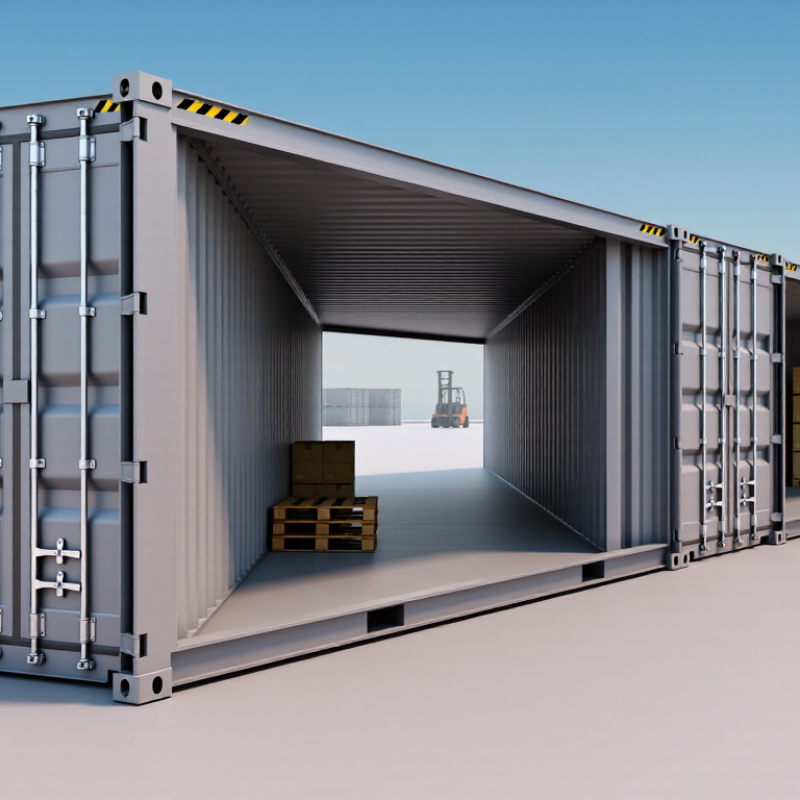
A double-door shipping container has full-height doors at both ends, creating two direct access points to its cargo space. This design can make loading simpler when goods need to be reached from either end, or when a site layout leaves only one side accessible. Picture a long container with pallets near the rear: opening both ends can reduce the need to unload items blocking the doorway. The practical benefit depends on the cargo, handling equipment, and available space.
Unlike a standard single-end container, double door shipping containers can support front-to-back loading and easier separation of goods. They are often considered for storage, staged deliveries, and operations where frequent access matters. Still, the extra doorway does not automatically make every job faster. Doors need clear swing space, seals and locking hardware require inspection, and forklifts need a safe route through the unit. Small details matter.
A useful expert perspective should come from a named, verifiable container professional. No source or expert quotation was provided here, so assigning a direct quote to a person would risk inventing evidence. The central question is simple: will access at both ends solve a real handling problem at your site? Check the container’s condition, dimensions, door operation, and intended use before choosing. A double-door model can be highly practical, but it is not a universal upgrade.
What Is a Double Door Shipping Container?
A double door shipping container has doors at both ends, rather than at one end only. This gives you two access points for loading and unloading. It can be useful when a container sits in a tight space or when goods need to move through in a planned order. For example, boxes can enter through one end and be removed from the other. The extra doors do not increase the container’s interior space, though.
This design suits equipment, building materials, and stored goods that may be difficult to reach from a single opening. It can also reduce the need to shift items near the doors just to access cargo farther inside. Still, the second doorway needs room to open. Check the ground clearance, door swing, and access route at both ends before choosing a site. Small details matter.
Tips: Inspect the hinges, locking bars, and rubber seals at both ends. Look for rust around the door frame, where water can collect. Measure bulky items and compare them with the clear opening, not just the container’s interior dimensions. A double-door model may make loading easier, but it can add inspection points. I would not assume both ends are equally easy to use; the site layout often decides.
How Its End Doors and Structure Are Designed
A double door shipping container has a pair of cargo doors at each end. This layout lets workers load or retrieve goods from either side of the container’s length. It can be useful when cargo must be accessed in a particular order, or when a long item is easier to handle from both ends. Access is the main advantage.
Each door is usually built from framed steel panels with horizontal corrugations for stiffness. Hinges connect the doors to vertical corner posts, while locking bars secure them against the frame. Rubber seals run around the door edges to help limit water and dust entry. At the bottom, a raised sill helps protect the opening, but it can make rolling equipment across the threshold less convenient.
The end frame does important structural work. Corner posts, a top header, and a bottom sill help transfer loads through the container, while the side walls and roof contribute to overall rigidity. Door openings interrupt those surfaces, so their frames need to be sound and properly aligned. Small details matter. Check that both sets of doors swing freely, locking bars engage smoothly, and seals are not cracked or flattened. More access also means more hinges and seals to maintain; that trade-off is easy to overlook. Repairs or alterations can affect fit and strength, so a qualified inspection is sensible when damage is visible.
Common Sizes, Materials, and Configurations
A double-door shipping container has cargo doors at both short ends, allowing access from either side. That helps when a pallet blocks the rear opening or when workers need to load items in sequence. Common lengths are 20 and 40 feet. ISO 668:2020 specifies external lengths of 6.058 metres and 12.192 metres, respectively, with a standard width of 2.438 metres. Standard height is 2.591 metres; high-cube versions measure 2.896 metres. Internal usable space is smaller, and varies with the frame, lining, and door hardware. Measure the actual unit before planning a close fit.
Most units use corrosion-resistant steel walls and frames, with marine-grade plywood flooring. ISO 1496-1:2013 sets requirements for general-purpose freight containers, including testing. Configurations commonly include 20- or 40-foot lengths and standard or high-cube heights. The doors usually have locking bars and weather seals. Small details matter. Worn seals can let in moisture, while bulky hardware reduces clearance. UNCTAD’s Review of Maritime Transport 2024 reported 8.2% growth in container-ship capacity during 2023, underscoring the scale of standardized container transport, though it does not measure double-door demand. Double access can speed handling, but adds hinges and seals to inspect. That trade-off is easy to overlook.
What Is a Double Door Shipping Container? — Common Sizes, Materials, and Configurations
A double door shipping container has opening doors at both ends, allowing cargo to be loaded or accessed from either side. The chart compares typical approximate internal dimensions of common configurations.
Typical construction: Weathering-steel body with a plywood floor is common. Standard-height and high-cube versions differ mainly in interior height; exact dimensions and availability vary by manufacturer and unit.
Typical Uses Across Storage and Transport
A double door shipping container has full-size doors at both ends, letting crews reach cargo from either side. This simple change matters when long items, stacked cartons, or tools block the front entrance. A contractor might store ladders near one end and boxed fittings near the other, reducing unloading and reshuffling. Small gains add up.
For transport, the second doorway can make loading sequences more flexible at depots and job sites. It does not increase the container’s rated capacity, and cargo still needs secure bracing against movement. UNCTAD’s Review of Maritime Transport 2024 reported global container port throughput of 858.9 million TEUs in 2023, highlighting the scale of container-based logistics. That figure covers the wider container market, not double-door units specifically. The distinction matters.
On site, these containers suit stockrooms, equipment storage, and temporary work areas where access from both ends helps. They can also separate incoming materials from items ready to leave. The layout is useful, though not always elegant: both doorways need clear space, and seals and hinges require regular checks. Before transport, users should confirm the unit’s condition, dimensions, and applicable shipping certification. A second entrance helps, but it is not a substitute for careful loading.
What Is a Double Door Shipping Container? - Typical Uses Across Storage and Transport
Dimensions are approximate examples for common standard-height containers. Specifications vary by unit; verify the container’s identification plate and measured dimensions before purchase, loading, or transport.
Key Factors to Consider When Choosing One
What Is a Double Door Shipping Container?
Key Factors to Consider When Choosing One
A double door shipping container has full-width doors at both ends. This design lets workers reach cargo from either side, rather than unloading items near the entrance to reach those stored at the back. It can suit tools, equipment, or stock that moves in stages. Access matters. The extra doors are useful only when both ends remain clear.
Start with the cargo and the available space. Check the internal length, width, and height, along with each doorway’s clear opening; measurements can vary by container. Allow room to open both doors fully and position handling equipment safely. A common planning mistake is choosing by external size alone. The interior can feel tighter once pallets or bulky items are loaded.
Inspect the condition, too. Look for bent hinges, damaged seals, corrosion around door frames, and soft or uneven floor areas. Open and close both sets of doors, if possible. Small faults can become daily frustrations. Consider where rainwater may collect and whether the container will sit on a level, stable surface. Think about locks and who needs access. A double-door model may cost more than a single-door one, so weigh easier access against the real value of faster loading and retrieval.
FAQS
It has full-width doors at both ends, creating two access points. It does not add interior space.
They can help move boxes or equipment through in a planned order. Access matters.
Check the interior length, width, and height, plus each doorway’s clear opening. Measure twice.
Leave room for both doors to swing fully and for handling equipment to move safely. Tight corners can cause trouble.
Check hinges, locking bars, and rubber seals at both ends. Look for rust around the frames.
Yes. Look for soft or uneven floor areas, and place the container on stable, level ground.
They may make cargo at the far end easier to reach. The benefit depends on how the container is arranged.
Not necessarily. It may cost more, and both ends need clear access; I might still misjudge the space.
Conclusion
A double door shipping container is a secure storage or transport unit with doors at both ends, allowing goods to be accessed from either side. Its end doors are typically fitted with locking bars and weather-resistant seals, while the steel frame and corrugated panels provide strength and protection. Common options include standard lengths and heights, with variations in materials, finishes, and configurations to suit different sites and cargo needs.
Double door shipping containers can make loading, unloading, and organizing items more convenient, especially when access from one end is restricted or frequent sorting is needed. They are used for storage at workplaces, on construction sites, and in transport operations. When choosing one, consider the required capacity, available space, door access, condition, security features, ventilation needs, and how the container will be delivered and positioned.