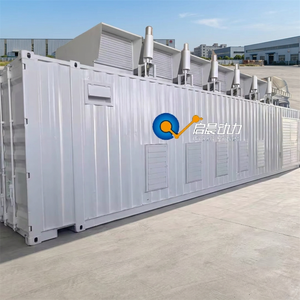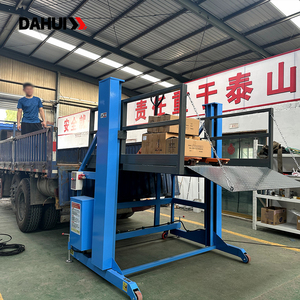
Every commercial pod and modular conversion is structurally certified, non-combustible insulated, pre-wired to regional electrical directives, and built on certified ISO intermodal frames for secure maritime cargo dispatch.
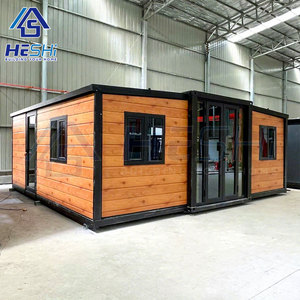
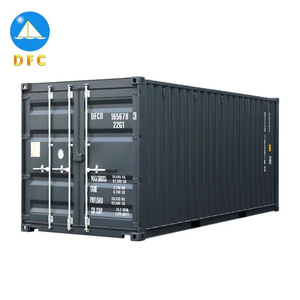
Modern commercial procurement demands rigorous compliance with the European Construction Products Regulation (CPR 305/2011) and national structural annexes. We analyze the design paradigm shifts reshaping modular construction.
Procuring commercial modular pods for the European Economic Area (EEA) requires strict traceability of raw materials and structural steel execution. As a certified exporter, our container pods undergo full Factory Production Control (FPC) testing.
From Corten SPA-H structural framing to load calculations meeting Eurocode 3 (EN 1993), our production verifies structural deflection limits, crane-hoisting dynamic shear capacities, and standardized ISO corner casting integrations for multi-tier stacking.
Condensation and thermal bridges represent the highest technical risks in steel envelope conversions. Our pods incorporate continuous insulated structural sub-framing paired with vacuum insulated panels (VIP) or Class A1 non-combustible rockwool insulation.
By breaking thermal transfers at structural junctions, our pods achieve certified heat transfer coefficients below U = 0.18 W/m²K, while internal wall assemblies adhere to EN 13501-1 flame retardance standards for high-density administrative facilities.
Standardized electrical infrastructure is engineered to IEC 60364 specifications and tested with factory CE Low Voltage Directive (LVD) and EMC protocol dossiers. All cabling is embedded inside fire-resistant conduit within wall chases.
Fresh air delivery is handled via balanced Heat Recovery Ventilation (HRV/ERV) configurations, maintaining indoor CO2 thresholds below 800 ppm, while acoustic core panels isolate sound transfers up to STC 48 for open-pit mining, industrial sites, and urban yards.
Assess empirical specifications before issuing RFPs. Sub-standard cabins frequently suffer from frame corrosion, severe thermal dissipation, and electrical non-compliance.
| Structural Engineering Feature | CE Certified Heavy-Duty Container Pod | Generic Flat-Pack Construction Cabin | Procurement Verification Protocol |
|---|---|---|---|
| Structural Base Framework | Corten-A (SPA-H) Anti-Corrosive Steel 3.0mm–4.5mm | Cold-rolled mild steel Q235B 1.2mm–1.8mm | Mill Test Certificates (EN 10204 3.1) |
| Structural Integrity & CE Marking | EN 1090-1 Execution Class EXC2 / EXC3 Certified | Uncertified or self-declared CE without Notified Body FPC | CE Certificate of Conformity with Notified Body ID |
| Thermal Envelope (U-Value) | U = 0.16 – 0.22 W/m²K (Polyisocyanurate/Rockwool Core) | U = 0.45 – 0.65 W/m²K (Standard EPS/Mineral wool) | EN ISO 6946 Thermal Transmittance Calculation |
| Acoustic Attenuation (Rw/STC) | STC 44–48 dB (Decoupled acoustic drywall lining) | STC 28–32 dB (Thin hollow wall partitions) | ISO 10140-2 Laboratory Sound Measurement |
| Intermodal Transport Capability | ISO Corner Castings rated for 9-high stacked ocean freight | Requires dedicated flat racks or localized breakbulk | CSC (Convention for Safe Containers) Plate Approval |
| Electrical & Fire Safety | CE / IEC 60364 compliant, pre-wired Halogen-Free conduits | Standard PVC wiring, basic surface conduit | Factory Dielectric & Earth Continuity Test Reports |
Evaluating macro movements in the international procurement of modular containerized working infrastructure.
Enterprise tenders increasingly mandate Life Cycle Assessments (LCA) and Environmental Product Declarations (EPD). Repurposed ISO shipping containers achieve up to 40% embodied carbon savings compared to conventional tilt-up concrete or pure structural steel framing.
Modern modular offices are supplied factory-fitted with integrated smart metering, automated occupancy sensing, and intelligent HVAC zone control. B2B buyers now prioritize plug-and-play Ethernet backbones for instant network node creation in remote terminals.
With power vulnerabilities in remote exploration, infrastructure builds, and energy hubs, procurement scopes now bundle containerized PV-battery systems. Direct inverter integration converts temporary offices into zero-emission self-sustaining operations.
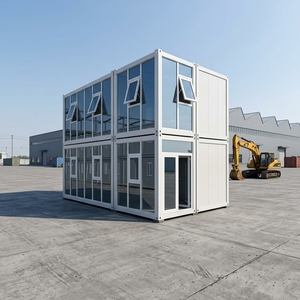
Urban footprint limitations have forced construction engineering teams to deploy 2- and 3-storey office compounds. Pod suppliers must provide structural tie-down nodes, integrated external stair gantries, and wind-shear bracing compliant with EN 1991-1-4.
Unlike trading intermediaries or assembly repackagers, our manufacturing ecosystem controls the entire product lifecycle from steel uncoiling, laser profile trimming, and automated MIG welding, to high-build marine epoxy coatings and interior MEP fitting under one roof.
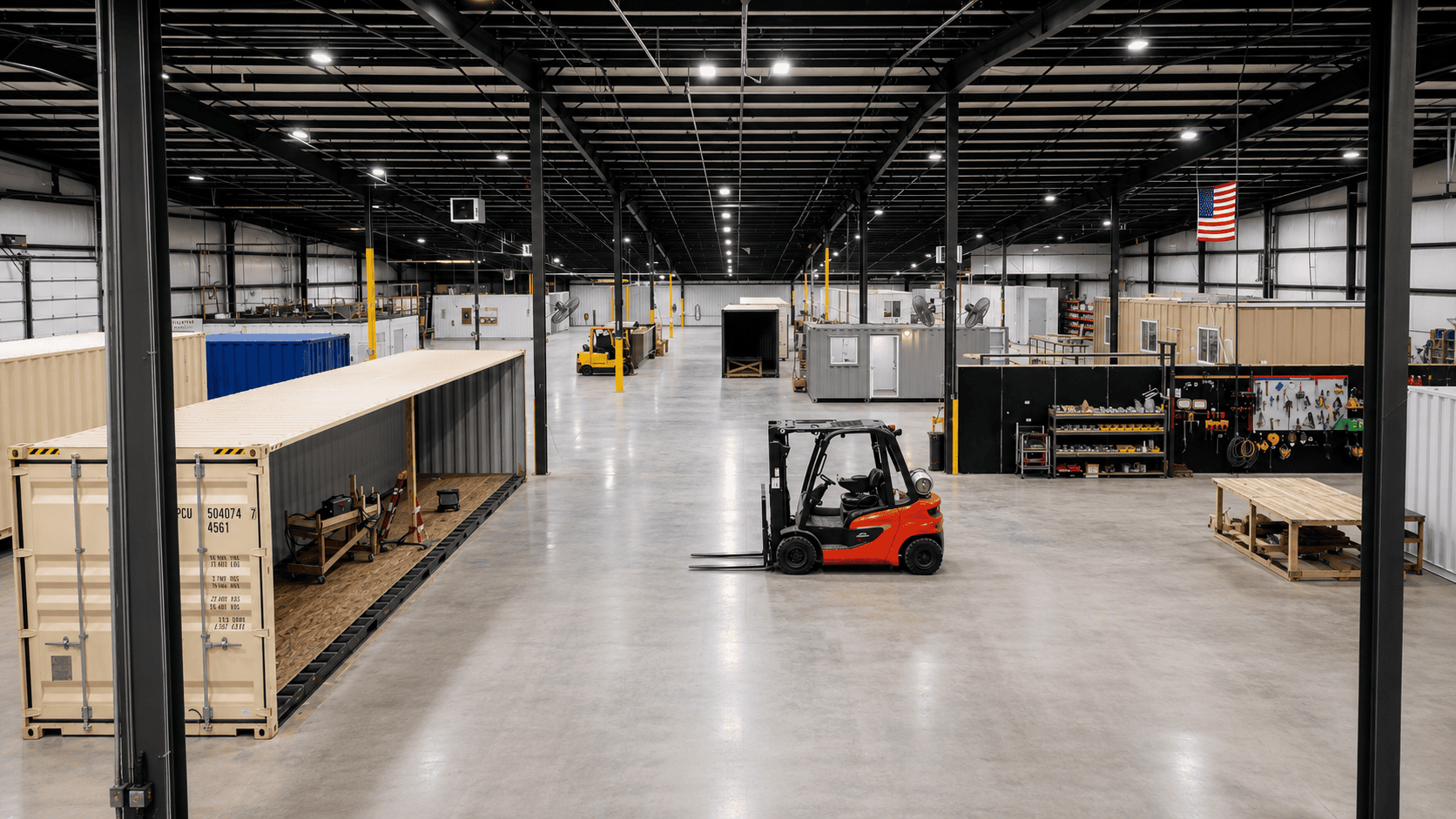
Direct technical answers addressing structural certification, site preparation, shipping logistics, and compliance codes.
Whether you require a single specialized CE-compliant command center, a modular administrative compound, or bulk SOC container office shipments, our structural engineers and supply chain specialists will deliver exact engineering specifications and landed project estimates.
Inquire Now