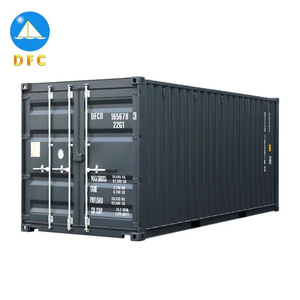
Modular Core
ISO Standard Dry Shipping Container 20GP
Heavy-gauge Corten structural steel base shell, CSC plated, fully rated for multi-tier stacking and harsh site logistics.
Fully integrated CE-compliant building elements, scalable utility blocks, and heavy-duty structural shelters engineered for immediate job site mobilization.
Heavy-gauge Corten structural steel base shell, CSC plated, fully rated for multi-tier stacking and harsh site logistics.
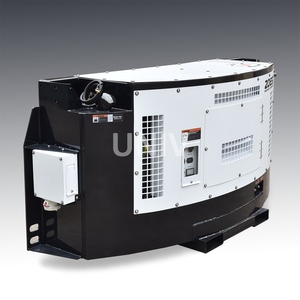
Ruggedized auxiliary power module designed for quick mechanical coupling onto mobile reefer and accommodation modules.
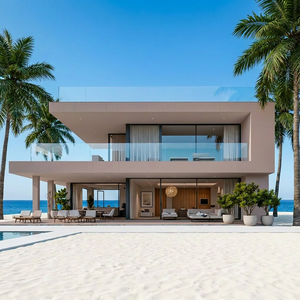
Engineered heavy/light hybrid structural frame built to AS/NZS codes for superior durability in extreme coastal environments.
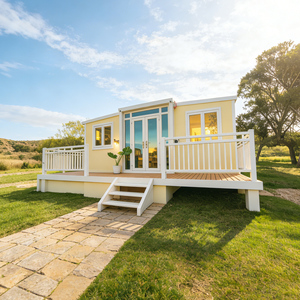
Triple-volume scissor expansion mechanism providing instant 3-bedroom setups with factory-integrated electrical circuits.
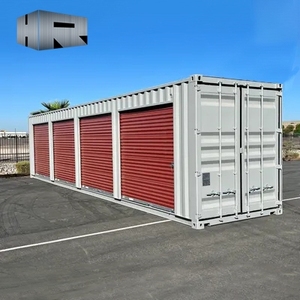
Full continuous side-access architecture optimized for rapid equipment laydown, tool cribs, and onsite mechanical maintenance bays.
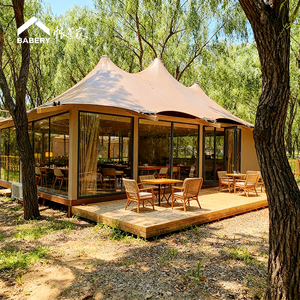
Architecturally cladded modular unit balancing high thermal envelope insulation with premium turnkey living appointments.
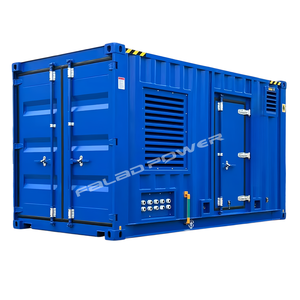
Continuous-duty industrial power station enclosed in an acoustically attenuated, weather-sealed ISO container shell.
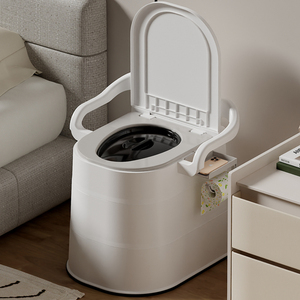
Ergonomic HDPE rapid-deployment sanitation system engineered for auxiliary perimeter installations and rugged field use.
Modern remote operations across civil engineering, natural resource extraction, infrastructure projects, and disaster mobilization demand high-performance modular encampments. The historical reliance on poorly insulated, structurally fragile job-site shacks has been superseded by industrialized modular manufacturing. As a premier CE certified temporary site housing manufacturer and supplier, our engineering paradigm treats every module as a life-safety critical asset designed to endure aggressive transport cycles, continuous multi-year deployments, and challenging climatic extremes.
Technical Compliance Alert: Under the European Construction Products Regulation (CPR 305/2011/EU), relocatable structures deployed across European jurisdictions must carry verified CE markings in accordance with EN 1090-1 (Execution of steel structures) and EN 1993 (Eurocode 3). Verifying the manufacturer's Factory Production Control (FPC) audit documentation is mandatory for municipal and enterprise procurement.
The core structural lifespan of relocatable housing depends heavily on metallurgical selection. While budget-driven manufacturers employ standard cold-rolled Q235 structural channels, our CE-compliant units leverage Corten-A atmospheric corrosion-resistant steel. Corten steel develops an adherent copper-phosphorus-chromium oxide patina upon exposure to moisture and oxygen. This protective passivation layer arrests corrosion penetration, providing up to 800% higher atmospheric corrosion resistance compared to plain carbon steel.
When engineering accommodations for sub-zero extraction fields, high-salinity coastal civil works, or desert construction zones, dynamic load testing is vital. Our ISO standard container-derived platforms are rated for a corner casting vertical stacking limit exceeding 72,000 kg, allowing up to 3-story compound modular vertical stacks without supplemental exterior structural bracing.
| Performance Characteristic | Standard Low-Cost Container Sheds | Our CE Certified Engineered Modulars | Verification Test Method |
|---|---|---|---|
| Structural Metallurgy | Q235 Carbon Steel (Unprotected) | SPA-H / Cor-Ten Structural Steel Shell | EN 10025-5 Chemical Analysis |
| Thermal Performance (U-Value) | 0.65 W/(m²·K) (Fiberglass/EPS) | 0.22 - 0.28 W/(m²·K) (Continuous PIR/PU) | EN ISO 6946 / ISO 8990 |
| Fire Resistance Rating | Class B2 / Combustible smoke | Class A1 / B-s1, d0 Fire Retardant Core | EN 13501-1 Reaction to Fire |
| Seismic / Lateral Resistance | Uncertified; prone to racking | PGA 0.4g (Seismic Zone IV Compliant) | Eurocode 8 Structural Modeling |
| Life Expectancy | 5 to 7 Years before hull failure | 25+ Years with periodic maintenance | Accelerated Salt Spray ISO 9227 |
Procurement directors and EPC project directors are navigating significant structural shifts in global camp accommodation management:
Corporate ESG directives now mandate structural calculations that account for embedded carbon and operational energy consumption. The market is shifting from lightweight modular panel packs to high-efficiency, multi-cycle shipping-container architectures. Our integrated polyisocyanurate (PIR) cores, coupled with thermal bridge interruption profiles (Aerogel breaks and engineered composite framing), cut heating and cooling energy loads by up to 48%, significantly decreasing the diesel runtime of decentralized camp generator banks.
Traditional site housing relied on disjointed, ad-hoc subcontracting for plumbing, sewage treatment, power generation, and electrical wiring. Future procurement strategies emphasize completely hybridized systems. Modular housing clusters now integrate directly with containerized clip-on diesel units (such as our 20KW and 1000kw ATS generators) alongside roof-mountable solar racking arrays, reducing balance-of-plant integration timelines from months to days.
Employee retention rates across mining, drilling, and infrastructure sectors are directly linked to baseline habitat conditions. High ambient noise environments require strict acoustic decoupling. Modern CE-certified modules implement dense rockwool acoustic barriers and acoustic perimeter double seals, maintaining interior ambient noise under 38 dB(A) even during heavy machinery site shifts.
Drawing on decades of structural construction expertise, our operations eliminate the uncertainties of multi-tiered subcontracting networks. Unlike non-manufacturing trade brokers, our facilities manage structural design, robotic welding, thermal curing, MEP installation, and finishing internally:
Factory production processes adhere to European EN 1090-1 execution standards, with comprehensive mill certificates and third-party welding inspector sign-offs on all load-bearing profiles.
From initial raw steel shot-blasting to precision wiring and ADA/Eurocode sanitary installations, every system is pre-commissioned under a single roof prior to freight release.
Every shelter retains CSC structural integrity or folds flat into standard ISO footprints, securing multimodal ocean freight approval without demanding expensive breakbulk vessel chartering.
Successful mobilization of temporary site housing requires strict adherence to standardized deployment protocols:
Direct answers to the most common technical, regulatory, and logistics queries raised by corporate procurement engineers.
CE certification confirms structural steel compliance with EN 1090-1 Execution Class 2 (EXC2) or EXC3, verification of low-voltage electrical distribution under the Low Voltage Directive (2014/35/EU), and verification of non-combustible insulation products in compliance with EN 13501-1 reaction-to-fire guidelines.
Yes. By utilizing Corten steel exterior wall corrugations and heavy tubular corner posts engineered to standard maritime ISO racking tolerances, our modular cabins undergo multi-cycle lifts, flatbed transports, and multi-tier stacking without loss of structural squareness or wall seal integrity.
For arctic and sub-arctic deployments, we use continuous 100mm to 150mm rigid polyisocyanurate (PIR) cores or high-density stone wool (120 kg/m³) complemented by unbroken vapor barriers and triple-pane low-E argon-filled glazing systems, achieving overall thermal performance below U=0.18 W/(m²·K).
Our electrical distribution boards can be pre-configured for either 230V/400V 50Hz European three-phase setups or 120V/208V/480V 60Hz systems conforming to UL/CSA/NEC guidelines. All wiring runs inside conduit behind non-combustible wall linings with central circuit breaker and residual current protection.
Speak directly with our modular engineering group. Request certified CAD layouts, structural calculation books, CE Factory Production Control dossiers, and customized logistics estimates.
Send an Inquiry