Explore certified factory-direct containers, reefer machinery, and pre-fabricated structures manufactured in strict compliance with ISO 668, CSC safety protocols, and international modular architectural standards.
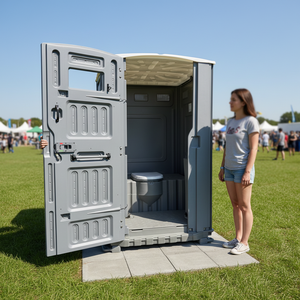
Comprehensive physical specifications, tare loads, and cubic capacities for standard freight and structural conversion container envelopes.
| Module Identifier | External Dimensions (L × W × H) | Internal Volume | Tare Weight | Max Gross Payload | Primary Application Profile |
|---|---|---|---|---|---|
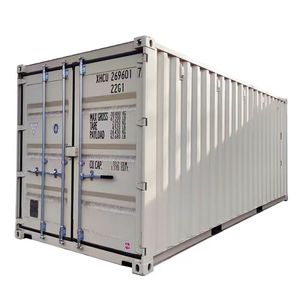
| 20ft General Purpose (GP) | 6,058 × 2,438 × 2,591 mm (20' × 8' × 8'6") | 33.2 m³ (1,172 cu ft) | 2,200 kg | 28,280 kg | Standard Cargo, Urban Site Storage, Mobile Modular Offices |
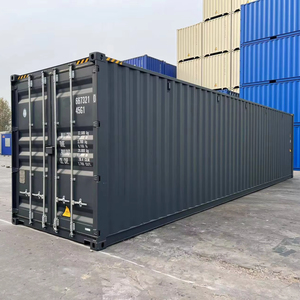
| 40ft General Purpose (GP) | 12,192 × 2,438 × 2,591 mm (40' × 8' × 8'6") | 67.7 m³ (2,390 cu ft) | 3,750 kg | 26,730 kg | High-Density Dry Logistics, Architectural Framing, Warehousing |
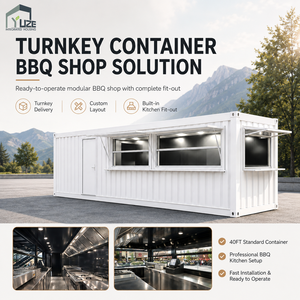
| 40ft High Cube (HC) | 12,192 × 2,438 × 2,896 mm (40' × 8' × 9'6") | 76.4 m³ (2,698 cu ft) | 3,900 kg | 26,580 kg | Volumetric Cargo, Multi-Room Residential ADUs, Commercial Kitchens |
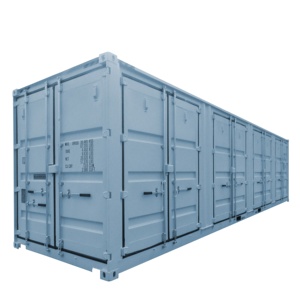
| 40ft Full Side-Open | 12,192 × 2,438 × 2,896 mm (40' × 8' × 9'6") | 73.2 m³ (2,585 cu ft) | 4,850 kg | 25,630 kg | Machinery Loading, Rapid Deployment Logistics, Retail Showrooms |
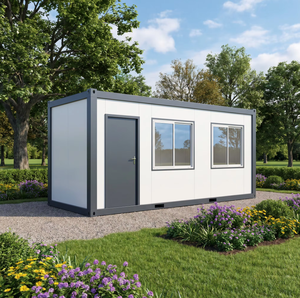
| 20ft Modular Flat-Pack | 6,055 × 2,435 × 2,790 mm (Erected) | 31.5 m³ (1,112 cu ft) | 1,450 kg | 8,000 kg | Emergency Workforce Shelters, Military Dormitories, Temporary Sanitation |
Eliminate intermediary trading margins. Benefit from single-source manufacturing accountability spanning metallurgy selection, ISO corner casting engineering, automated continuous welding, and fully certified modular assembly.
All primary structural profiles, corrugated sidewalls, and floor cross-members are cold-formed from high-grade SPA-H Corten steel. This atmospheric corrosion-resistant alloy generates an oxide passivation layer that withstands maritime salt-spray, extreme ultraviolet exposure, and chemical plant atmospheres over multi-decade deployments.
Unlike brokers who outsource retrofitting, our production campus executes framing, polyurethane thermal break insulation, fire-rated interior partition linings, and pre-wired factory electrical systems (NEC/CE certified) entirely in-house. Container assets are delivered load-tested, waterproofed, and ready to set immediately upon arrival.
Every intermodal freight unit leaves our production lines with an authentic International Convention for Safe Containers (CSC) plate inspected by third-party bureaus (ABS, BV, or CCS). Units feature dynamic transverse corner castings verified to support standard 9-high laden cellular ship holds up to 192,000 kg total stack weight.
The global shipping and storage container industry is undergoing a paradigm shift. Historically, containers were manufactured strictly as corrugated, uninsulated steel boxes intended to transport dry bulk freight between deepwater terminals. However, contemporary commercial requirements in mining, emergency disaster mitigation, data center decentralization, and luxury modular hospitality have necessitated a total technological evolution.
Contemporary Chinese manufacturing leads this transition via robotics-assisted submerged arc welding, specialized epoxy-zinc priming regimes, and finite element modeling (FEM) for reinforced openings. Structural integrity is preserved even after large portal cuts for hydraulic doors, panoramic insulated fenestrations, or industrial ventilation hoods. In modular residential conversions, thermal performance has advanced from basic batting to continuous closed-cell polyisocyanurate (PIR) cores, eliminating cold bridging and preventing internal moisture accumulation across humid and polar climates alike.
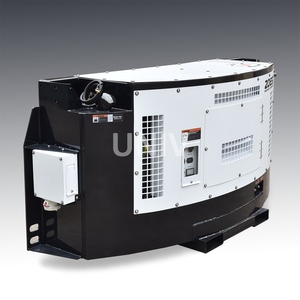
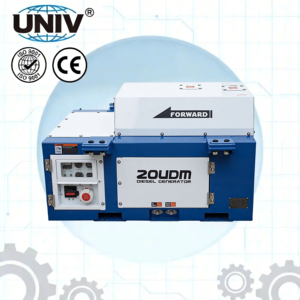
Furthermore, cold-chain refrigeration logistics require robust auxiliary power support. By integrating clip-on diesel generators and underslung 20kVA gensets manufactured to match micro-processor-controlled reefer parameters, suppliers now offer integrated, autonomous preservation chambers capable of sustaining ultra-low perishable profiles (-30°C to +30°C) across transcontinental land bridges.
Procurement directors and municipal EPC contractors are systematically restructuring their container acquisition strategies. Volatile ocean freight rates, heightened geopolitical tariffs, and stringent ESG decarbonization mandates are elevating the value proposition of multi-modal, flat-pack, and factory-finished container systems. Standardized procurement based solely on FOB spot prices is rapidly yielding to Total Lifecycle Ownership (TLO) evaluations.
Key procurement vectors now prioritize scalable prefabrication. Projects requiring temporary workforce camps or military barracks increasingly opt for 20ft foldable modular structures where four to six packed units condense into the shipping envelope of a single standard 20ft ISO footprint. This packaging innovation reduces ocean freight expense by up to 75% per deployed unit, drastically lowering project carbon footprints and container mobilization times.
Simultaneously, the demand for off-grid self-sustaining infrastructure has transformed storage container procurement. Modern procurement orders now bundle rooftop photovoltaic array brackets, gray-water recycling plumbing, and battery energy storage system (BESS) thermal enclosures into unified structural purchase agreements, allowing purchasers to deploy immediate field utility hubs with zero reliance on localized power grids.
Critical technical criteria evaluated by institutional buyers and logistics consortia during international supply chain contracting.
Rapid adoption of hinged flat-pack geometries allowing single-truck transport of 4 complete functional shelter units, dropping inland freight costs dramatically.
Accelerating demand for full bi-fold lateral access containers that permit direct forklift loading of oversized machinery, aircraft engines, and pallets without overhead cranes.
Pairing heavy-duty storage envelopes with clip-on diesel gensets and advanced heat-pump HVACs for instant conversion into pharmaceutical storage or remote clinics.
Verification of recycled steel fractions, zero-VOC waterborne coatings, and automated disassemblability to fulfill international green building rating systems (LEED / BREEAM).
Detailed engineering, logistics, and customization insights addressing core B2B purchasing queries.