ISO Corten Steel
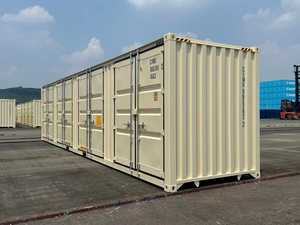
Engineered for King County structural wind/snow standards, Washington State Energy Code (WSEC), and Port of Seattle multimodal intermodal freight delivery.
Precision-manufactured structural shells, ISO steel modules, deployable athlete housing units, and industrial containerized utility plants designed for high-density delivery into Seattle, Tacoma, and Greater Puget Sound.
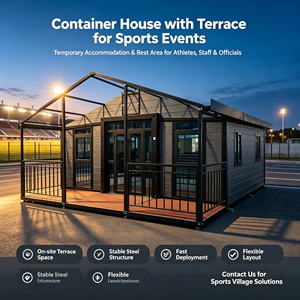
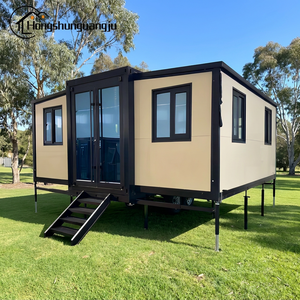
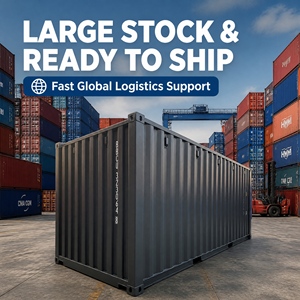
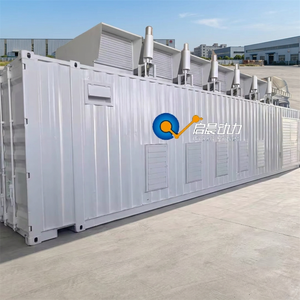
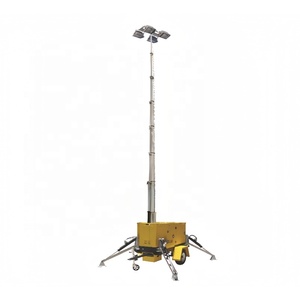
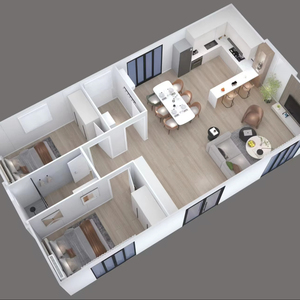
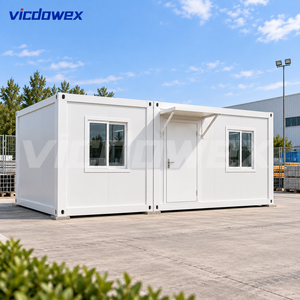
Every container structure fabricated in our industrial facilities undergo non-destructive structural load testing, hydraulic sealing validation, and thermal imaging checks to meet North American building parameters.
Complies with King County and Western Washington coastal exposure categories B & C wind shear ratings.
Reinforced cold-formed galvanized purlins capable of handling Pacific Northwest cascade winter snow accumulation.
Continuous polyurethane spray foam & rockwool cores engineered to eliminate thermal bridging in humid maritime climates.
Marine-grade corrosion-inhibiting alloy shells coated with epoxy primers to resist Puget Sound saline air degradation.
Our engineering department provides bilingual structural calculations, Foundation Hold-Down Plans (Simpson Strong-Tie compatible), and stamped MEP schematics tailored to Seattle DCI submittals.
From Seattle's aggressive DADU initiatives to rural mountain off-grid builds, discover how our expandable and modular container structures resolve high land and labor costs across the Pacific Northwest.
Seattle's Ordinance 126072 removed strict parking mandates and streamlined Accessory Dwelling Units. Our expandable units fold down to 8-foot widths for crane placement through narrow lot setbacks in Ballard, Queen Anne, and West Seattle, deploying within 2 hours of footing bolt-down.
Cascading regional housing shortages demand fast-turn projects. Using factory-finished ISO structural modules and flat packs, institutional developers build multi-level student dormitories, transient transitional shelter communities, and workforce bunkhouses along the I-5 tech corridor.
Port facilities along Harbor Island, Tacoma waterways, and Renton warehouse districts require salt-spray resistant field dispatch centers, ISO side-open staging depots, and soundproof power units delivering 1500kw backup continuous generation for enterprise hardware loads.
Evaluating market tailwinds shaping steel modular adoption throughout Seattle, Bellevue, Tacoma, and Spokane.
| Market Vector | Traditional Stick-Frame Reality (PNW) | Expandable Steel Modules (Direct Sourced) | Strategic Advantage for Seattle Buyers |
|---|---|---|---|
| Prevailing Labor Rates | $95 - $150/hr union subcontractor base; critical carpenter shortages across King County. | 100% factory pre-assembled with cabinetry, pre-plumbed fixtures, pre-wired circuits. | 62% Reduction in on-site finishing hours and GC labor overhead. |
| Rain & Rot Vulnerability | Extended 150+ rainy days/year causes wet framing encapsulation, mold risks, and framing rot. | SPA-H Corten steel airtight envelope; vapor-sealed closed-cell polyurethane cores. | Zero Moisture Infiltration during construction phases. |
| Washington State Energy Code (WSEC) | Costly on-site thermal break lamination and continuous external foam inspections. | Built with factory-integrated thermal isolator gaskets and continuous R-30+ roofs. | Pre-engineered compliance with King County Title 24 & Seattle Energy Envelope paths. |
| Permitting & Site Footprint | Prolonged site storage obstructing narrow alleyways and residential driveways for 6-9 months. | Folded transit footprint (8-ft wide) delivered by flatbed and placed directly via crane in hours. | Minimizes city right-of-way staging street permits and neighbor disruption fees. |
Eliminating middleman markups. From CNC laser cutting to final sea freight booking into Terminal 18 (Port of Seattle), we execute complete single-source quality control.
We do not broker uncertified steel boxes. We fabricate using traceable SPA-H anti-corrosion Corten steel plates, robotically welded with AWS-certified procedures to guarantee container stack integrity.
Pre-installed UL-listed electrical distribution panels, Romex wiring harnesses, PEX water lines with freeze-resistant shutoffs, and low-flow plumbing fixtures matching Washington Department of Health codes.
Save 35%–50% compared to domestic US container brokers. We manage container modification, painting, insulation, and interior joinery under a single audited ISO 9001 factory floor.
Direct container vessel services from Shanghai/Ningbo into the Port of Seattle & Port of Tacoma with full ISF filing, Bill of Lading documentation, and customs clearance coordination.
Straightforward technical answers regarding building permits, insulation against freezing rain, delivery logistics, and import processing.
Connect immediately with our manufacturing engineering team. Obtain wholesale price matrices, BIM/CAD layout packages, and door-to-port ocean freight rates tailored to your Seattle development project.