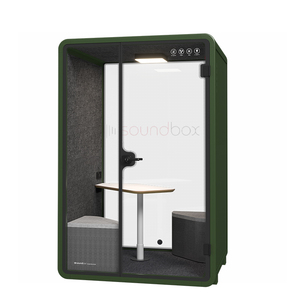
Explore our export-grade flat pack, expandable modules, structural shells, and rapid-deployment acoustic booths engineered to withstand Pacific typhoon pressures and tropical microclimates.
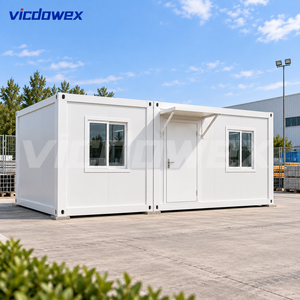
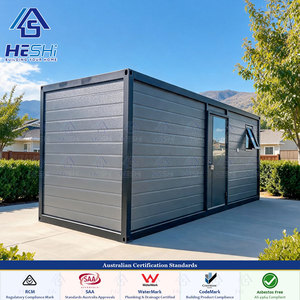
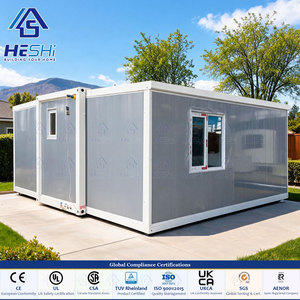
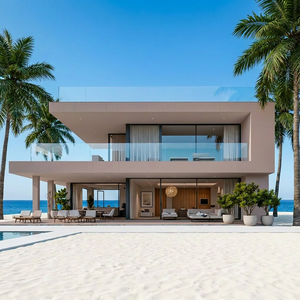
The operational landscape of Metro Manila demands infrastructure that mitigates high land acquisition costs, dense logistical congestion, and extreme meteorological factors.
Within bustling hubs like Taguig (BGC), Pasig (Ortigas), and Makati, infrastructure development requires immediate modular site management units, specialized acoustic testing capsules, and auxiliary workspaces where traditional construction footings are structurally prohibited.
Positioned along the Western Pacific Typhoon Belt, the Philippines confronts annual cyclonic events. Our flat pack assemblies utilize structural Q235B/Q355B cold-formed hot-dip galvanized steel framing, engineered specifically to resist hydrostatic upward thrusts and continuous 240 km/h wind shear vectors.
For Batangas, Palawan, and Zambales development projects, transportation of dry-mix cement and aggregates is capital-intensive. Flat pack units bundle 4 complete modules inside a standard 40HQ ocean freight container, cutting inter-island freight by up to 75%.
A data-informed assessment of how regulatory adjustments, construction cost inflation, and industrialization across Region IV-A (CALABARZON) drive industrialized flat pack adoption.
With terminal ports such as the Manila International Container Terminal (MICT) and South Harbor frequently managing intense dwell volumes, general contractors are aggressively eliminating protracted on-site wet construction. The Philippine "Build Better More" policy shift prioritizes dry-joint construction. By receiving precision-cut factory flat packs via direct bonded corridors from port to Laguna, Cavite, or Pampanga economic zones, site assembly drops from 120 days to just 7 days per multistory cluster. Our factory implements high-tolerance robotic welding and automated surface passivation to ensure zero on-site hot work is required at deployment zones.
| Structural Parameter | Export Factory Flat Pack Spec | Conventional Field-Built Container | Manila Local Compliance Benchmark |
|---|---|---|---|
| Frame Substrate | Q235B/Q355B Galvanized Steel (2.5mm - 3.5mm) | Reworked Corrugated Corten (Used C-Grade) | National Structural Code of the Philippines (NSCP) |
| Thermal Insulation | High-Density PIR / Rockwool (Class A Fire-rated) | EPS Foam or Raw Glasswool | Tropical Heat-Transfer U-Value < 0.45 W/m²K |
| Surface Protection | Multi-Layer Fluorocarbon/Electrophoretic Coating | Single Spray Primer, Susceptible to Marine Salt | ASTM B117 1000-Hour Salt Spray Tolerance |
| Shipping Volume | Flat-Packed: 4 Units Stacked per 40ft HQ | Volumetric Shipping: 1 Unit per 40ft HQ | Significant Freight Demurrage Reduction at Manila Ports |
Eliminating broker markups and ensuring uncompromised material traceability from metallurgical casting to portside staging.
Unlike regional traders that modify discarded ocean shipping shells with hidden fatigue and corrosive oxidization, our manufacturing base fabricates certified unibody cold-rolled steel columns, corner castings, and interlock profiles with 100% material test certificates (MTC).
Every flat pack and expandable container leaves our factory pre-fitted with integrated conduits, flame-retardant electrical sub-panels, moisture-resistant MGO flooring, and Australian/Philippine standard electrical terminal lines, preventing site delays.
From single-bedroom executive housing modules to multi-story temporary worker camp arrays and heavy industrial warehouses, our architectural desk executes CAD, 3D BIM, and load-calculation models tailored exactly to client operational needs.
Critical considerations surrounding customs clearance, structural durability, moisture management, and foundation preparation in the Philippines.
Our flat pack systems are engineered with full internal roof drainage downspouts built within all four corner posts, paired with closed-cell EPDM perimeter gaskets. This design eliminates exterior ponding. Walls are composed of 50mm–100mm high-density Polyisocyanurate (PIR) or hydrophobic Rockwool sandwich panels with pre-painted galvanized steel (PPGI) facings, ensuring zero vapor transfer, zero mold accumulation, and optimal thermal deflection against intense solar radiant heat.
As experienced direct manufacturers and seasoned exporters, we supply all verified commercial export paperwork: authenticated Certificate of Origin (Form E or General CO), validated Packing Lists, Commercial Invoices, Bill of Lading (B/L), and detailed Structural Engineering Calculations suited for clearance alongside local PRC-licensed Civil Engineers submitting building permit requirements to local government units (LGUs).
Due to expansive clay strata in regions around Bulacan, Cavite, and Laguna, flat pack modular units provide an inherent structural advantage over brittle masonry. They require only isolated concrete pad footings or simple strip perimeter footings at corner load points. For temporary site setups or well-compacted gravel pads, the units can be leveled directly on heavy pre-cast concrete blocks, cutting sitework expenses by up to 60% compared to traditional foundation excavation.
Direct ocean transit to Port of Manila (North/South Harbor) typically takes between 7 to 14 days post-production staging. Flat packs are bundled in certified sets of 4 packages conforming to ISO intermodal dimensions. These are hoisted and secured identically to standard shipping containers, saving substantial ocean freight charges while enabling standard tilt-bed or flatbed trucks to maneuver tight Philippine provincial and city arterial routes.
Whether you require multi-unit temporary worker housing, high-end expandable residential developments, or customized industrial warehouse packages, our engineering team provides full architectural layout blueprints, logistics planning, and transparent FOB/CIF pricing within 24 hours.