Direct manufacturer-engineered solutions designed for rapid deployment, heavy-duty mining cycles, and extreme logistical corridors across India’s core mineral basins.
High-density demountable accommodation with 75mm rockwool insulation, certified wind uplift resistance, and fast-track 4-person assembly per module.
Explore Specifications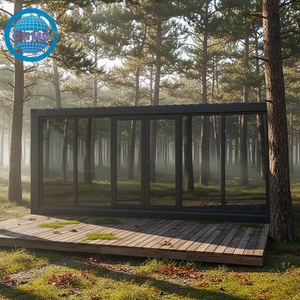
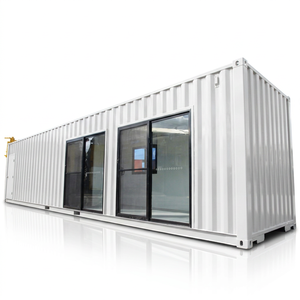
Turnkey ISO-standard converted units outfitted for mine supervisor living quarters, mobile field offices, and geologists' on-site workstations.
Explore Specifications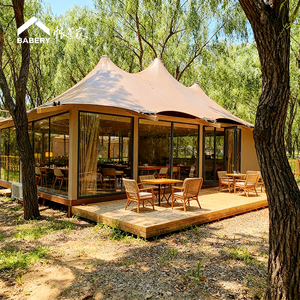
Architecturally enhanced, premium thermal-break structural modules suited for mining senior project directors, client liaisons, and hospitality hubs.
Explore Specifications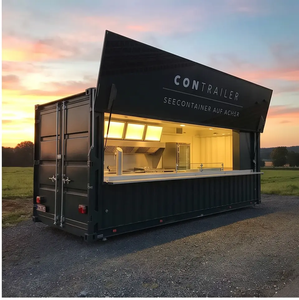
Fully sealed stainless-steel wet kitchen module engineered with industrial ventilation hoods, grease traps, and heavy fire-retardant wall linings.
Explore Specifications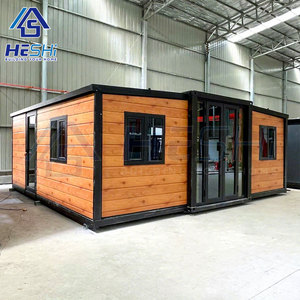
Bi-wing folding architecture multiplying usable space by 300% upon delivery; ideal for medical emergency wards, shift locker rooms, and safety briefing halls.
Explore Specifications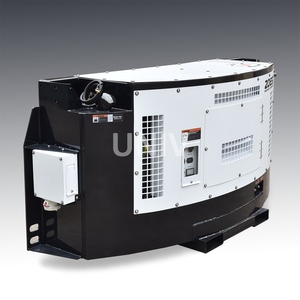
Ruggedized auxiliary power module delivering autonomous prime power to cold storage, reefer food preservation, and remote communication repeaters.
Explore Specifications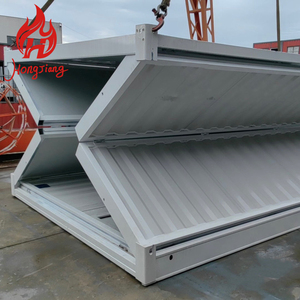
Mechanical accordion-folding design allowing 10-12 modules per standard flatbed, slashing logistics overhead for pioneer exploration expeditions.
Explore Specifications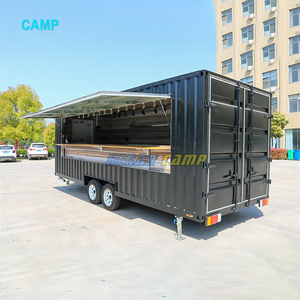
Heavy-duty chassis-mounted modular catering unit enabling quick re-location along active strip-mining haul roads and remote quarry blast perimeters.
Explore SpecificationsIndia’s extractive economy is navigating unprecedented acceleration. Bolstered by the auction of critical and strategic mineral blocks, open-cast expansion in the iron ore sectors of Odisha (Keonjhar, Sundargarh), the coal fields of Jharkhand (Jharia, Dhanbad), Chhattisgarh (Korba, Raigarh), and the bauxite belts of Andhra Pradesh, mining engineering procurement contractors (EPCs) face severe geographic hurdles. The success of large-scale open-pit and underground operations hinges fundamentally on workforce retention, statutory health compliance, and rapid site commissioning.
Historically, remote camps relied on traditional brick-and-mortar masonry or substandard corrugated sheet shacks. These legacy structures are plagued by long construction lead times, vulnerability to monsoon deluges, poor thermal moderation during scorching Indian summers where temperatures frequently exceed 46°C, and significant ecological disruption that complicates eventual mine closure reclamation. As a premier direct manufacturer and specialized global exporter, our engineering focus integrates structural maritime Corten steel, high-performance thermal boundary insulation, and modular MEP (mechanical, electrical, plumbing) systems designed specifically for high-stress industrial operations across the Indian subcontinent.
Procuring workforce housing for Indian mining operations requires strict adherence to the Directorate General of Mines Safety (DGMS) circulars, the Mines Act of 1952, and the National Building Code (NBC) of India 2016. DGMS mandates stringent minimums for per-capita habitable volume, natural cross-ventilation, segregated sanitary washrooms, dust mitigation barriers, and emergency fire egress. Our factory-controlled fabrication ensures that every dormitory module, commercial ablution block, and catering mess is pre-wired to Indian Central Electricity Authority (CEA) standards, utilizing flame-retardant low-smoke (FRLS) copper wiring and BIS-certified residual current breakers.
Fabricated using weathering Corten-A/B steel frames (Q355B equivalent), exhibiting exceptional corrosion resistance against coal dust sulfurous fumes and high humidity coastal saline atmospheres.
High-density core panels (100–120 kg/m³ rockwool or 42 kg/m³ cyclopentane-blown PIR) providing U-values down to 0.28 W/m²K, drastically curbing HVAC power demand under extreme tropical ambient loads.
Factory-integrated plumbing risers, PEX water lines, CPVC sanitary piping, and quick-couple industrial external hookups allowing instantaneous hookup to on-site septic or bio-digester treatment systems.
Standardized solutions fail in India because geoclimatic conditions vary radically across production zones. Modular units exported to an iron ore beneficiation plant in Barbil, Odisha must withstand continuous monsoon torrential rains and iron oxide dust penetration, whereas camps installed in the zinc deposits of Bhilwara or limestone pits of Jaisalmer, Rajasthan face abrasive sandstorms and acute diurnal temperature fluctuations ranging from 4°C in winter nights to 49°C in peak summer.
| Geographic Mining Belt | Predominant Climate & Terrain Stressors | Recommended Camp Engineering Configuration | Standard DGMS / BIS Structural Criterion |
|---|---|---|---|
| Odisha & Jharkhand (Iron Ore, Chromite, Coal) |
Heavy tropical monsoons (up to 1,800mm rainfall), acidic red soil, high humidity, airborne fine particulate runoff. | Flat-pack heavy galvanized chassis, double-pitched over-roofing trusses, 75mm water-repellent Rockwool, epoxy floor finishes. | IS 875 (Part 3) Wind zone 3 (44 m/s), anti-corrosive C3/C4 marine paint standard (ISO 12944). |
| Chhattisgarh & MP (Thermal Coal, Bauxite, Manganese) |
Dense inland heatwaves (>45°C), remote forested logistical corridors, limited grid infrastructure. | Expandable multi-room container dormitories, 100mm PIR high-density sandwich walls, pre-fitted solar rooftop ballast brackets. | ECBC (Energy Conservation Building Code) tropical performance, integrated 20kW auxiliary generator bays. |
| Rajasthan (Zinc, Lead, Marble, Lignite) |
Extreme arid thermal variance (0°C to 50°C), heavy silica dust storms, high UV exposure, water scarcity. | 20ft & 40ft High-Cube converted marine units, sand-trap double-louvered ventilation hoods, low-flow vacuum plumbing. | Class A thermal resistance, dust-sealed IP65 perimeter penetrations, UV-stabilized exterior PVDF coatings. |
| Karnataka & Goa (Iron Ore, Limestone, Saline Coastal) |
Saline maritime winds, Western Ghats seismic zones, intensive eco-sensitive green zone zoning restrictions. | Detachable zero-ground-disturbance foundation pads, self-contained greywater recycling STPs, low-VOC acoustic interior linings. | Seismic Zone III compliance (IS 1893:2016), 100% demountable and recyclable steel structure framework. |
Logistics costs from port of discharge (such as Paradip, Haldia, JNPT, or Vizag) to interior pitheads often dictate project feasibility. Transporting fully assembled, empty rigid box containers via rugged rural highways and ghat roads incurs prohibitive freight charges. Our state-of-the-art flat-pack systems solve this bottleneck: four individual flat-pack container units collapse into the footprint of a single ISO 20ft shipping container, drastically reducing ocean freight costs and inland road logistics by up to 75%. On arrival, standard truck cranes or rough-terrain mobile forklifts can offload and erect complete four-module dormitories within hours.
The modernization of India's commercial mining framework has stimulated notable operational transformations. The transition from unorganized camp construction to factory-manufactured modular habitats is accelerated by three critical systemic drivers:
Leading mining houses (Tata Steel, Vedanta, Coal India, Adani, NMDC) are constrained by stringent ESG scorecards. Modular steel camps eliminate on-site concrete mixing, mitigate ground deforestation, preserve local topsoil, and provide documented embodied carbon reductions.
Modern mechanization requires specialized operators for continuous miners, haul trucks, and telemetry plants. High-caliber technical operators refuse sub-par camps. Modern container accommodations feature split air conditioning, hygienic en-suite pods, acoustic dampening, and high-speed Wi-Fi cable ducts.
Unlike immovable brick barracks that must be written off upon block depletion, modular container buildings can be unbolted, packaged, and transported to subsequent mining concession phases, yielding multi-decade asset lifespan with over 90% salvage valuation.
Direct responses to technical, commercial, and regulatory queries encountered by procurement managers, project directors, and EPC contractors.
Originating from advanced structural container modification and industrial modular manufacturing roots established in Butler, Missouri since 2015, our manufacturing enterprise has expanded into a globally recognized export force. Unlike speculative trading brokers or unvetted intermediaries, our end-to-end operation is unified under one industrial standard: precision engineering, automated plasma plate cutting, certified structural welding, and rigorous MEP testing performed entirely within factory walls prior to dispatch.
All load-bearing perimeters feature heavy-gauge Corten weathering steel, precision automated seam welds, and zinc-rich epoxy primers preventing internal rust.
Every electrical circuit, pressure pipe, and wall panel joint is subjected to pre-shipment water tightness, dielectric insulation, and structural deflection testing.
With high-output modular production capacity, we manufacture and package over 400 standard accommodation modules every month, guaranteeing strict EPC delivery milestones.
From CAD layout optimization and geotechnical base schematics to complete bilingual installation manuals and field supervisor deployment, we support your engineering teams.
Planning an expansion or establishing a new remote workforce camp in Odisha, Jharkhand, Chhattisgarh, or beyond? Connect with our dedicated industrial modular engineering team for complete structural calculations, floor plan drawings, and FOB/CIF shipping schedules.