2500 kW Standby
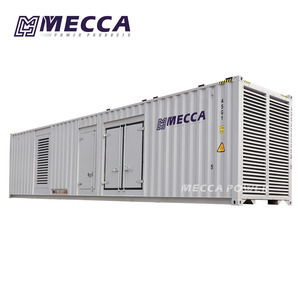
From the remote agricultural expanses of Mato Grosso to the harsh maritime environments of the Campos and Santos offshore basins, standard utility grids across Brazil regularly confront load-shedding, extreme humidity, high ambient temperatures, and seasonal drought curtailments. We engineer and export heavy-duty, ISO-certified mobile generator containers engineered to thrive under stringent tropical operating conditions.
Explore our specialized ISO containerized generator systems, underslung reefers, acoustic sheet metal cabins, and edge computing mobile plants engineered for seamless export to Brazilian ports including Santos, Paranaguá, and Rio de Janeiro.
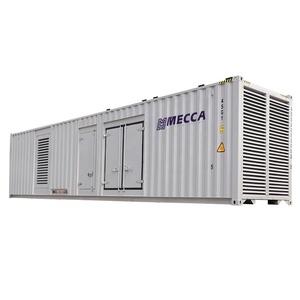
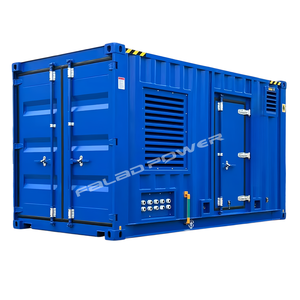
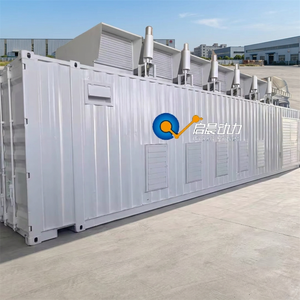
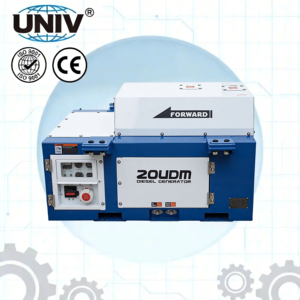
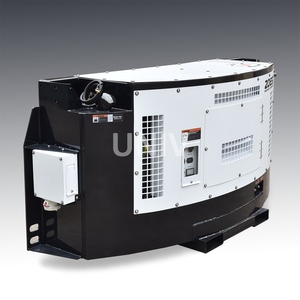
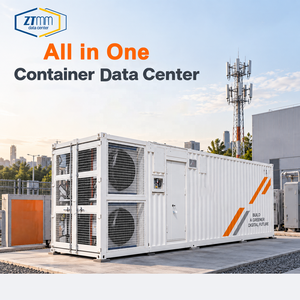
Deploying high-output mobile power generation across the Federative Republic of Brazil necessitates engineering compliance with harsh environmental factors, specific electrical standards, and strict occupational safety regulations.
Brazil's agricultural engine across Mato Grosso, Goiás, and Bahia relies heavily on automated silo aeration, continuous grain drying, and cold storage during harvest peaks. Grid fluctuations frequently threaten processing runs. Our containerized mobile generators provide dependable peak-lopping and prime islanded microgrid power, maintaining uncompromised moisture controls across remote farming operations without substation dependency.
Offshore platforms in the Campos and Santos Basins, as well as shipyards in Niterói and Suape, demand severe corrosion protection against hypersaline sea spray. We coat our Corten steel ISO generator containers with C5-M certified marine epoxy schemes, install 316 stainless steel acoustic louvers, and integrate motorized dampers that automatically seal during intense oceanic rainstorms.
Open-pit iron ore and bauxite operations expose gensets to ultra-fine abrasive silica dust, severe vibration, and extreme torrential downpours. Our mobile containerized units utilize dual-stage cyclonic sand/dust filters, heavy-duty anti-vibration elastomeric spring isolators, and high-altitude turbocharger mapping to prevent thermal derating under grueling equatorial load cycles.
How decarbonization targets, 60Hz utility synchronization, and cold-chain infrastructure expansions are revolutionizing mobile generator engineering.
With Brazil expanding biomethane extraction from sugarcane vinasse and tapping pre-salt natural gas, industrial buyers are migrating from pure diesel units toward dual-fuel and dedicated natural gas containerized gensets to lower operating expenditures and capture carbon credits.
Remote mines and rural utility concessions (Programa Luz para Todos) increasingly pair containerized diesel gensets with battery energy storage systems (BESS) and ground-mount solar arrays, demanding intelligent genset microgrid controllers capable of sub-cycle black starts.
Brazil's record beef, poultry, and fruit exports have overwhelmed existing port plug docks. This bottlenecks transshipment hubs, driving explosive demand for chassis-mounted underslung and clip-on reefer generator units capable of autonomous continuous operation during long logistics transfers.
Urban edge data centers, hospitals, and entertainment tours in São Paulo and Rio de Janeiro face rigorous decibel limits set by municipal acoustic ordinances. Ultra-silent container packaging with tuned chamber silencers and double-skin acoustic rockwool insulation is now mandatory.
Select the optimal balance of ISO mobility, output ratings, and acoustic mitigation for your project footprint.
| Container Classification | Prime / Standby Power | Frequency / Voltage | Acoustic Rating | Fuel Autonomy | Target Deployments |
|---|---|---|---|---|---|
| 20ft Standard Silent | 500kVA – 1000kVA | 60Hz (127/220V, 220/380V, 440V) | 68 dBA @ 7m | 8–12 Hours Internal | Construction, Agro-Hubs, Telecommunications |
| 40ft High Cube Industrial | 1250kVA – 2500kVA | 60Hz (380V, 440V, 480V, Medium V) | 72 dBA @ 7m | External Bulk Tank Ready | Utility Peaking, Mining Sites, Hyperscale IT |
| 40ft HC Dual-Genset Redundant | 2x 800kVA Paralleled | 60Hz / 50Hz Switchable | 65 dBA @ 7m | Dual Fuel Cell Integration | Hospital Backup, Offshore Shore Support |
| Underslung / Clip-On Chassis | 15kW – 25kW Reefer Spec | 60Hz / 460V 3-Phase Direct | Ultra-Low Vibration | 48–72 Hours Integrated | Intermodal Rail, Highway Freight, Cold Chain |
| Natural Gas Mobile Plant | 1000kW – 1800kW Continuous | 60Hz Utility Paralleled | 70 dBA @ 7m | Continuous Pipeline / LNG Feed | Pre-Salt Refineries, Remote Gas Flaring Sites |
Why international EPC contractors, rental fleet operators, and utility managers choose our factory-direct mobile power platforms.
We partner directly with leading powertrain builders including Cummins, Perkins, MTU, and Leroy-Somer. Every genset features genuine components backed by international warranties, 100% pure copper brushless windings, Class H insulation, and specialized anti-humidity tropical winding varnishes.
Our container shells are fabricated from authentic atmospheric corrosion-resistant Corten steel. Corner castings conform to ISO 1161, allowing 9-high stacking during maritime transport and effortless crane rigging or heavy rough-terrain flatbed transport directly to Brazilian job sites.
Before departure, every system completes four hours of step-load verification (25%, 50%, 75%, 100%, and 110% overload) inside our testing bays. Digital reports covering transient response, harmonic distortion, vibration, acoustic signature, and thermal camera heat scans accompany the export dossier.
Practical technical, regulatory, and logistics answers for procurement engineers and project directors.
Consult with our engineering and export specialists today. We review your load profiles, local acoustic restrictions, environmental parameters, and shipping logistics to build precision containerized power packages delivered to any port or project site in Brazil.
Contact Us