Deploying remote workforce accommodations across New Zealand demands strict adherence to rigorous engineering standards. From NZS 3604 structural timber & steel codes and AS/NZS 1170 seismic micro-zoning to stringent H1 energy efficiency mandates, our heavy-gauge Corten steel man camps deliver rapid site deployment without compromising on-site safety, interior ergonomics, or thermal permanence.
Direct factory manufacturing for rapid mobilization across the North and South Islands. Select a product specification to examine dimensional loads, mechanical configurations, and local utility compatibility.
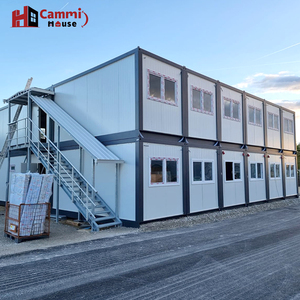
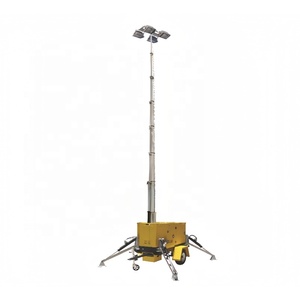
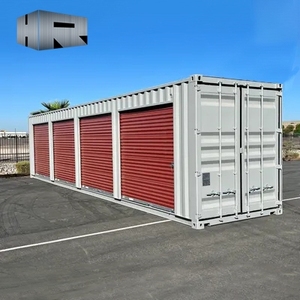
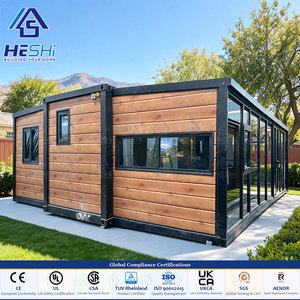
From the high-precipitation corridors of the West Coast to geothermal zones in Rotorua and alpine terrain in the Remarkables, modular camps resolve acute regional workforce shortages.
NZ Transport Agency (Waka Kotahi) expressway expansions and regional rail realignments require relocatable camps that minimize ground disturbance while providing acoustic dampening and thermal recovery for road crews working shifts.
Harvesting operations across the Central North Island (Kaingaroa Forest) and Northland demand ruggedized living quarters resilient against damp forestry floors, equipped with commercial boot washes, drying rooms, and off-grid generator sync.
Turbine wind farms in Manawatū and geothermal drilling ventures around Taupō leverage non-corrosive, marine-grade treated steel modules engineered to endure atmospheric hydrogen sulfide and intense wind load ratings (NZS 3604 Wind Zone Extra High).
The Ministry of Business, Innovation and Employment (MBIE) has elevated the baseline performance for temporary and permanent accommodations across New Zealand. Structural resilience is governed by strict seismic coefficients under NZS 4219 and NZS 3604, ensuring modular stacks survive critical liquefaction and tectonic events without structural failure.
Furthermore, the revised H1/AS1 Building Code standards impose stringent R-value criteria on modular roofs, walls, and underfloors. Our man camp assemblies incorporate continuous exterior thermal breaks and polyisocyanurate (PIR) cores, preventing thermal bridging and condensation common in humid maritime microclimates.
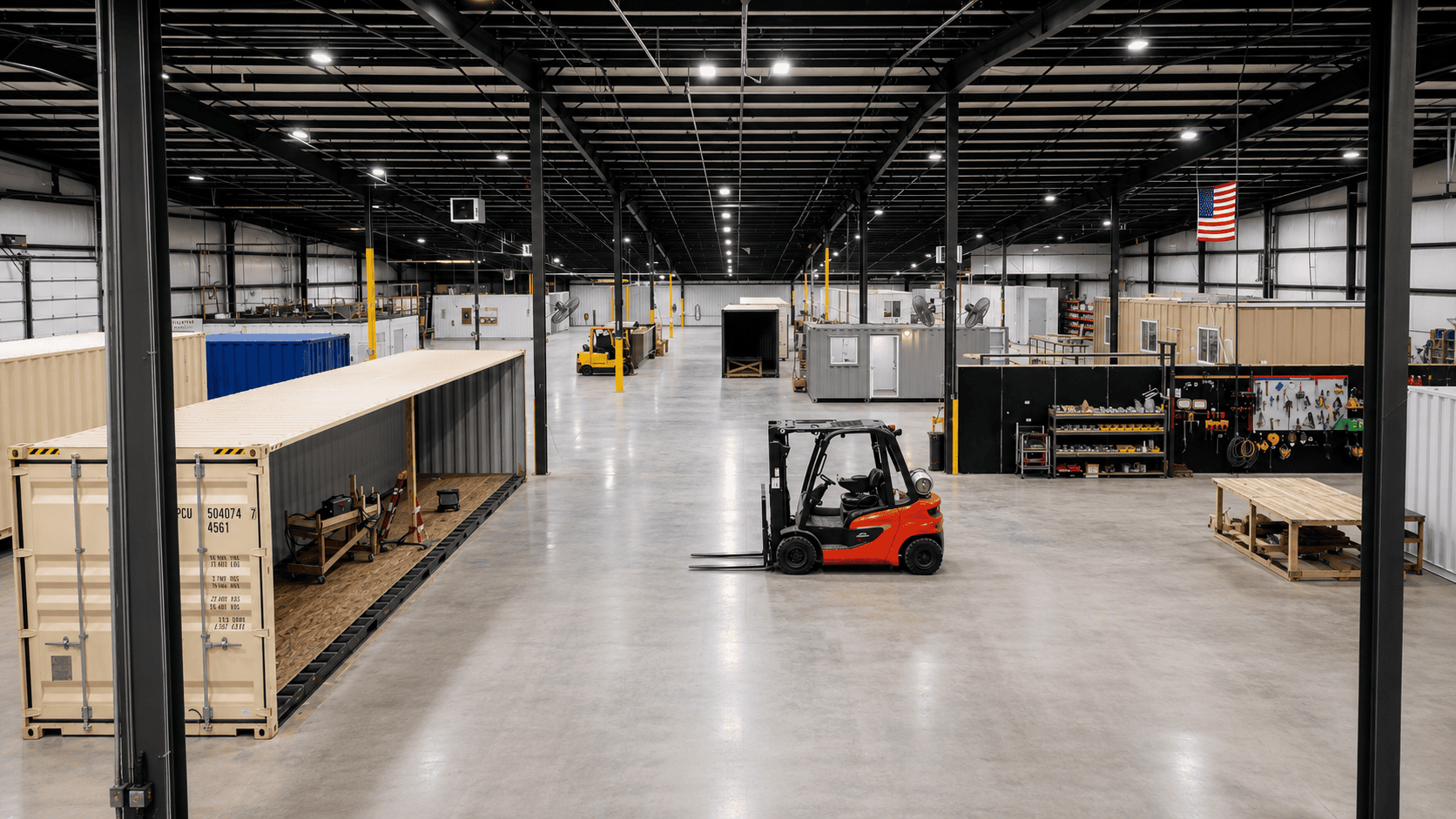
New Zealand's infrastructure procurement framework increasingly scores vendor ESG performance. Traditional site sheds constructed from treated softwood often result in substantial landfill waste upon project decommissioning. In contrast, our Corten steel modular man camps represent closed-loop engineering.
Capable of over 15 redeployment cycles across twenty years, every module is designed for flatbed transport, rapid twist-lock anchoring, and zero-ground-scar foundations using removable ground screw systems. Integrated graywater diversion circuits and low-VOC interior linings safeguard pristine regional aquifers and comply with Regional Council resource consent limitations.
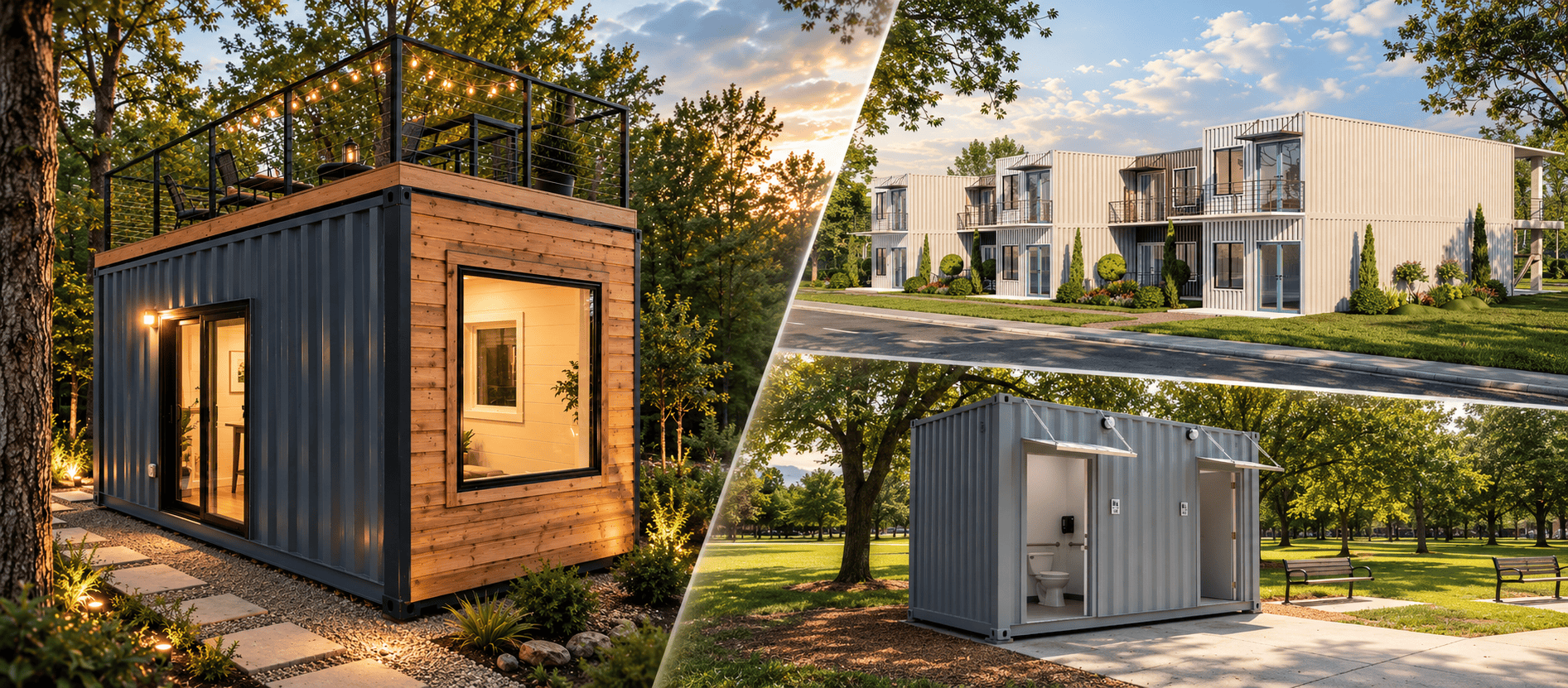
Detailed architectural metrics for engineering approval, council consenting, and site logistics planning.
| Component Core | Technical Baseline | NZ Standards Harmonization | Field Performance Advantage |
|---|---|---|---|
| Chassis & Shell | Cor-Ten A heavy structural grade steel; welded corner castings | NZS 3404 (Steel Structures) / ISO 1496-1 | Impervious to salt spray, rot, borer insects, and extreme shear forces. |
| Thermal Envelope | Closed-cell PIR foam / high-density hydrophobic mineral wool | NZBC H1/AS1 & NZS 4214 (Thermal Resistance) | Continuous R3.2 to R4.5 ratings; eliminates condensation and thermal bridges. |
| Seismic Restraints | Dual-axis inter-module locking pins & base plates | NZS 1170.5 (Earthquake Design Actions) | Certified stability across Alpine Fault and high-risk volcanic plate regions. |
| Wet Areas & Ablutions | Seamless vinyl coved flooring, commercial FRP wall linings | NZBC G1 (Personal Hygiene) & E3 (Internal Moisture) | 100% waterproof junctions preventing structural deck decay. |
| Acoustic Attenuation | Multi-layer staggered stud partitions with damping barrier | NZBC G6 (Airborne and Impact Sound) | Sound Transmission Class (STC) 52+ for shift-worker restorative rest. |
Drawing on an established pedigree in direct steel fabrication since 2015, we bridge the gap between heavy industrial container integrity and refined modern living standards.
No intermediaries, brokerages, or subcontracting dilution. Engineering, metalwork, MEP integration, and quality control occur under one roof for complete accountability.
Every accommodation module is shipped with structural producer statements, full electrical certificates of compliance (ESC), and sanitary plumbing line schematics.
Advanced line assembly protocols shorten standard delivery windows by up to 60% compared to traditional on-site construction, saving valuable infrastructure lead-time.
Standardized ISO structural parameters enable seamless sea freight shipping directly into Port of Tauranga, Auckland, or Lyttelton without oversized handling fees.
Addressing compliance, freight logistics, biosecurity, and on-site utility tie-ins.
Consult with our modular accommodation specialists today. Receive comprehensive technical CAD layouts, thermal modeling, and full project pricing tailored to your workforce logistics.