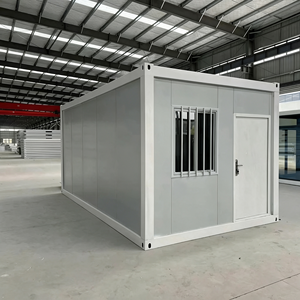
Manufactured under strict ISO-grade quality verification routines, these models range from rapid deployment accommodation pods to structural expandable cabins engineered for luxury eco-resorts and private estates across Guanacaste, Puntarenas, and the Central Valley.
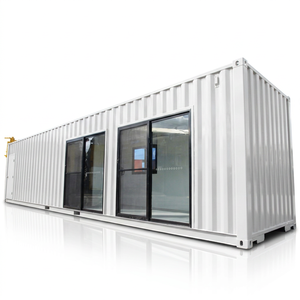
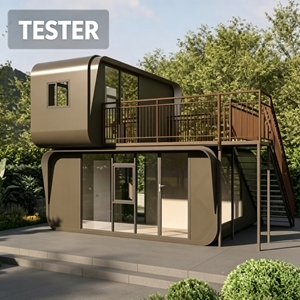
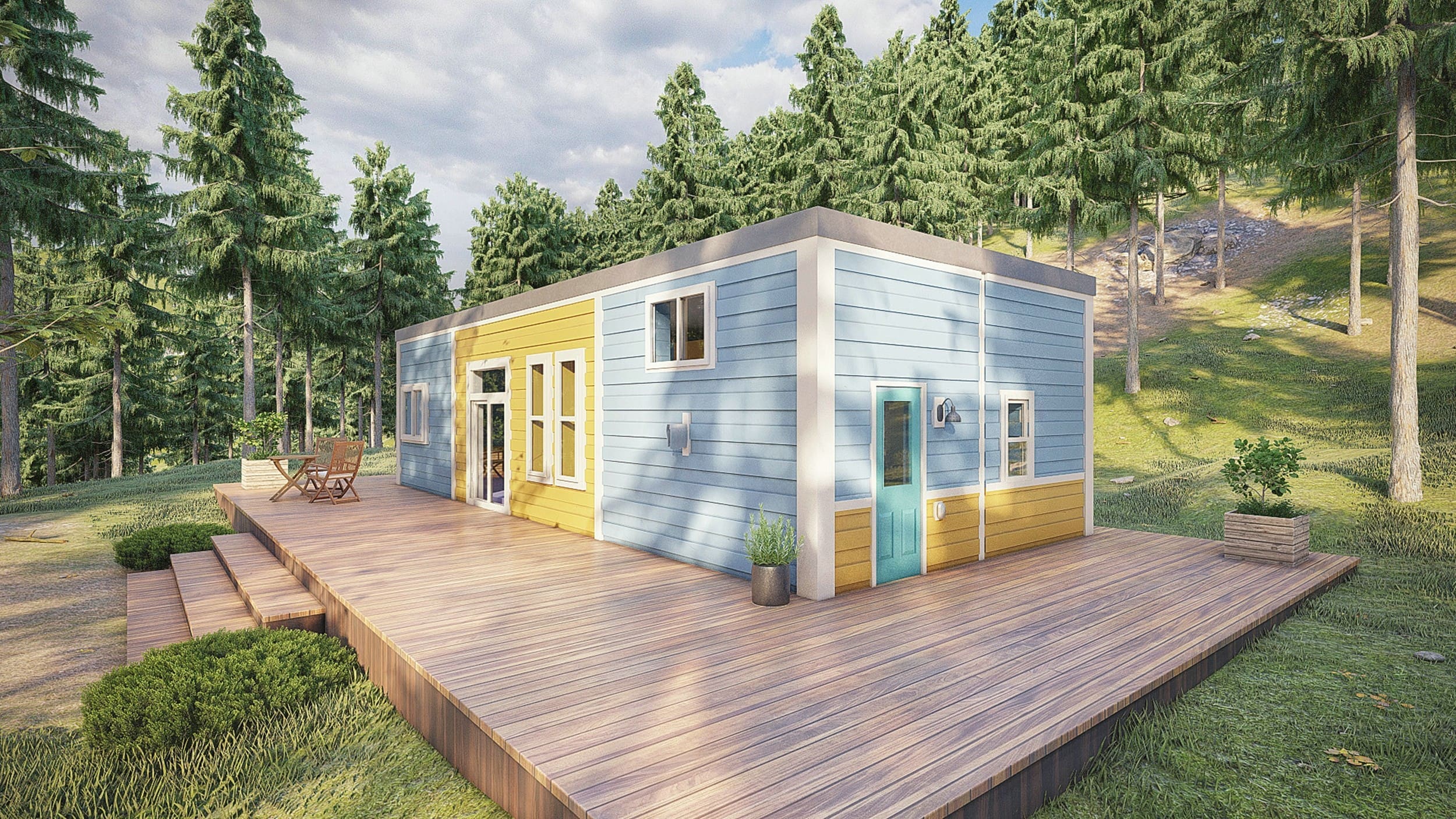
Deploying prefabricated architecture in Central America requires addressing microclimates, high humidity, salt-spray exposure, and challenging logistical terrains. Our modular manufacturing approach directly addresses these challenges.
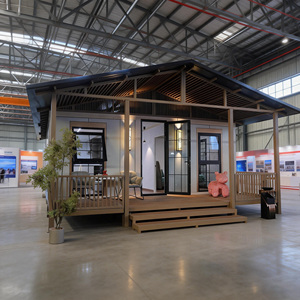
In tourist corridors like Nosara, Santa Teresa, Manuel Antonio, and the Arenal Volcano belt, builders face tight construction windows. Our expandable cabins and luxury modular pods allow hoteliers to commission eco-lodges with zero on-site concrete mixing, protecting natural biodiversity and providing rapid return on investment.
Costa Rica’s coastal zones demand resistance to intense oxidation and high thermal loading. With corten-steel framing, advanced insulation, and specialized anti-corrosive coatings, our units resist high humidity, heavy rains, and salt air, providing durable homes for coastal developments and guest suites.
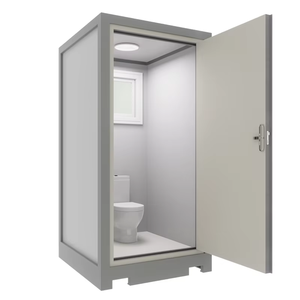
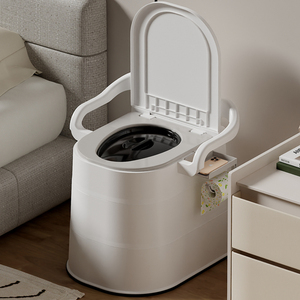
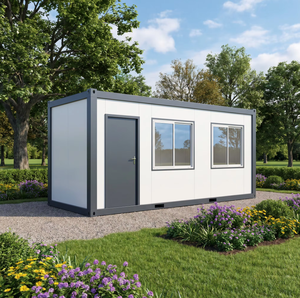
From coffee estates in Tarrazú to infrastructure corridors along Route 27 and Caldera Port logistics hubs, our stackable flat-packs and modular restrooms deliver turn-key offices, sanitation centers, and workforce housing capable of handling severe mountain weather and heavy seasonal storms.
Costa Rica's seismic conditions require ductile structures capable of absorbing lateral shear forces without catastrophic collapse. Traditional masonry often cracks or fails during high-magnitude events common along the Pacific Rim of Fire.
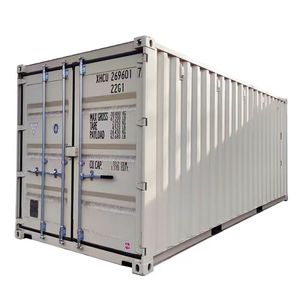
Our modular systems use welded structural steel chassis (ASTM A36 / Corten-A) with integrated corner castings. This structural frame functions as a rigid three-dimensional moment-resisting cage. The lightweight profile (up to 70% lighter than reinforced concrete) significantly reduces inertial seismic demand, offering superior life-safety performance in high seismic risk areas.
In addition, our envelope assemblies integrate moisture barriers and closed-cell thermal breaks designed to mitigate interstitial condensation caused by the country's high relative humidity.
| Performance Metric | Modular Steel Specification | Traditional Concrete / Block | Costa Rica Field Advantage |
|---|---|---|---|
| Seismic Resistance | Ductile Steel Frame (Elastic/Plastic Zone Support) | Brittle Failure Potential Under Shear | Complies safely with CSCR seismic engineering requirements. |
| Thermal Insulation | Polyurethane Core / Mineral Wool (R-19 to R-28) | Uninsulated Concrete Masonry (R-1.5 to R-3) | Up to 45% reduction in HVAC energy consumption in coastal zones. |
| Site Impact | Point Foundations / Minimal Soil Disruption | Extensive Grading, Continuous Footings | Simplifies SETENA environmental permitting compliance. |
| Corrosion Barrier | Marine Primer + Epoxy Polyurethane Topcoat | Standard Exterior Latex Acrylic | Long-term durability against marine salt spray in coastal zones. |
Modern building methodologies are seeing rapid adoption driven by the national decarbonization plan, rising construction costs, and demands for sustainable building practices.
Costa Rica’s push for carbon neutrality encourages developers to adopt sustainable construction methods. Factory-built modular housing generates up to 80% less on-site construction waste and significantly reduces heavy vehicular traffic in protected environments, fitting naturally into green building frameworks.
Transporting materials like aggregate, cement, and rebar across mountain roads or remote coastlines often introduces significant project delays. Modular components can be shipped in compact flat-packs or high-cube formats and erected in days using simple crane or telehandler equipment.
A growing demographic of investors and eco-resort operators require independent off-grid capabilities. Modern modular units can be pre-wired at the factory for solar PV systems, rainwater harvesting assemblies, and zero-discharge biodigesters, ensuring rapid, reliable installation in un-serviced areas.
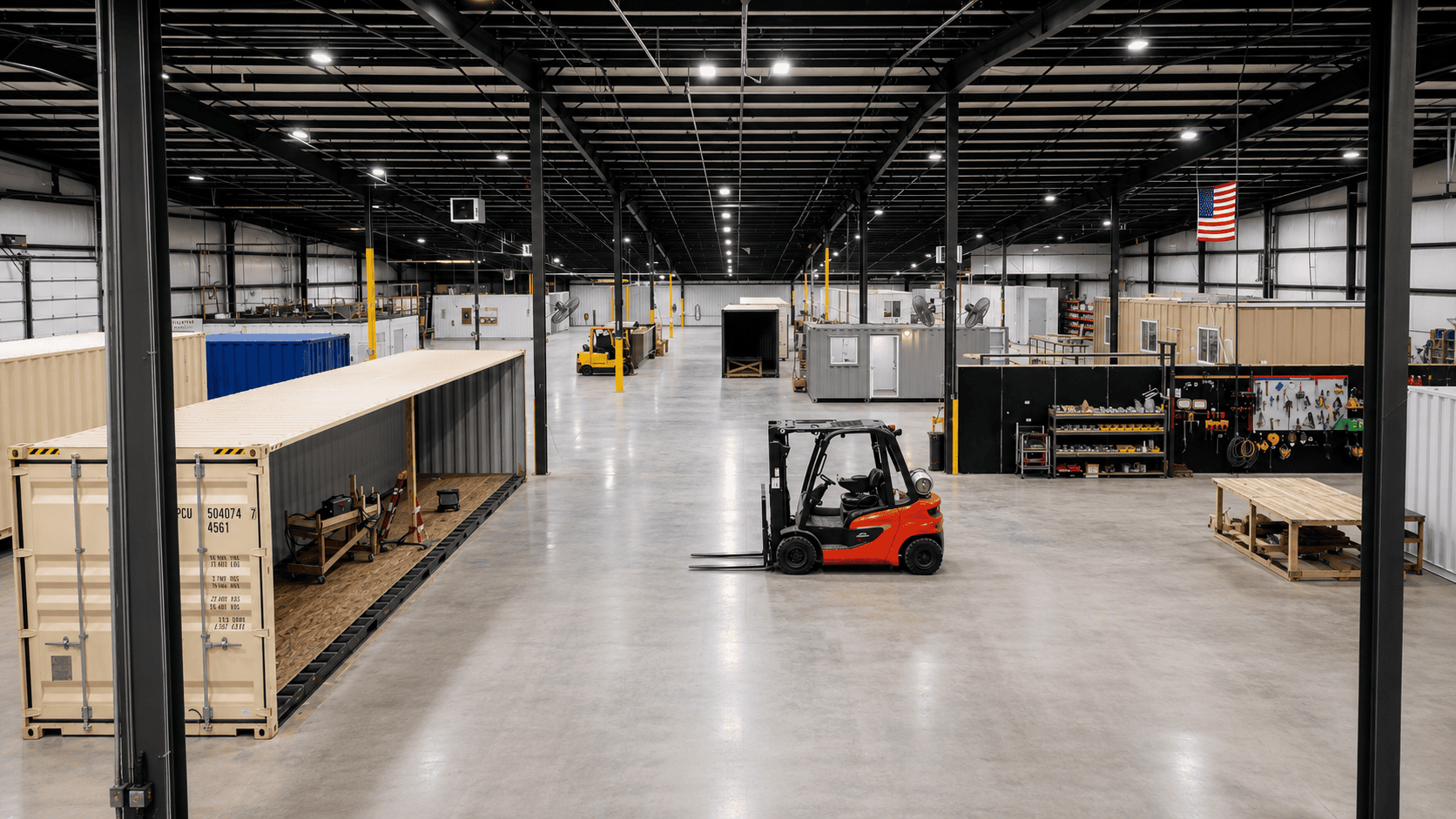
Founded on hands-on structural construction expertise, our facility centralizes every step of fabrication under one industrial roof. By integrating engineering modifications, structural framing, plumbing, electrical installation, insulation, and interior finishes in-house, we eliminate the variability common to fragmented subcontracting.
Unlike regional brokers or traders, we control structural modifications directly. Our engineering teams review technical drawings, loading profiles, and foundation points before the first cut, delivering predictable results for developer portfolios throughout Costa Rica and Latin America.
Direct technical answers addressing structural certification, customs logistics, foundation planning, and environmental compliance.
Whether you need scalable workforce quarters, commercial retail containers, or a luxury glamping retreat, our manufacturing specialists will evaluate your blueprints, land conditions, and timeline.