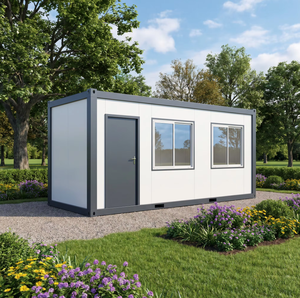
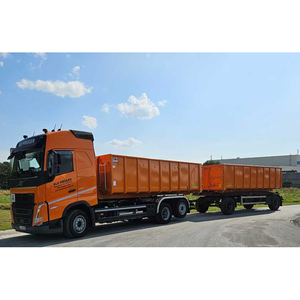
Precision-graded ISO Corten units, scrap transport chassis, and factory-completed living architectures built for direct New York metro delivery.
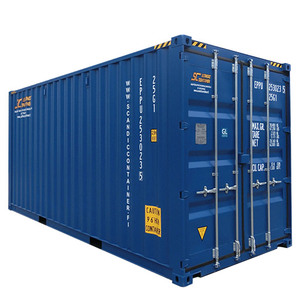
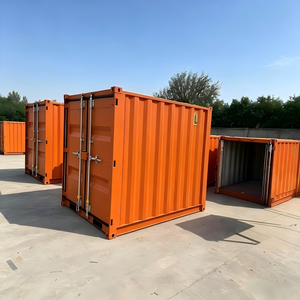
Analyzing maritime container supply chains, freight consolidation, and structural steel integration.
The logistics ecosystem encompassing the New York Metropolitan area represents one of the densest and most structurally demanding supply corridors in the Western Hemisphere. Centered adjacent to the Port of New York and New Jersey—the busiest maritime gateway on the North American Atlantic coast—the local flow of standard intermodal freight units, converted modular enclosures, and specialized storage solutions operates under unique geographic constraints. From the port terminals in Elizabeth, Newark, and Red Hook through the transshipment arteries of the Brooklyn-Queens Expressway (I-278) and the Long Island Expressway (I-495), procurement managers and developers face severe physical footprint premiums.
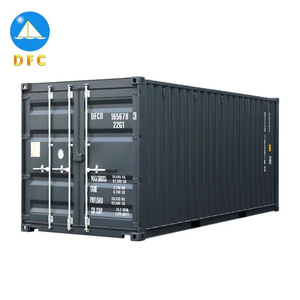
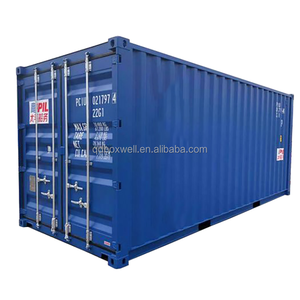
Procuring shipping containers directly from an engineering-driven factory and verified exporter eliminates the multi-tiered markup traditionally imposed by regional equipment brokers. Unlike conventional brokers who merely re-route decommissioned "wind and watertight" (WWT) sea freight units with undocumented stress histories, a dedicated manufacturing partner supplies traceable Corten-A (ASTM A588) units. Every cargo envelope maintains uncompromised corrugation profiles, tested payload capacities exceeding 28,000 kilograms, and documented floor cross-member spacing capable of satisfying both coastal maritime standards and onshore engineering mandates.
From high-density Manhattan streetscapes to Upstate hospitality retreats, customized containers solve critical spatial challenges.
The commercial versatility of ISO shipping containers within New York State extends far beyond standard warehouse overflow storage. Strict municipal regulations, limited physical laydown space, and extreme weather variances demand tailored structural solutions across varied micro-climates and zoning jurisdictions.
Within the five boroughs, space optimization under NYC Department of Buildings (DOB) Chapter 33 is vital. Modified 20ft and 40ft high cube containers function as heavy-duty sidewalk shed ballast, integrated gantry offices, and ultra-secure tool vaults resistant to site intrusion and vandalism.
In trendsetting hospitality zones such as Williamsburg, DUMBO, and Long Island City, customized container cut-outs with hydraulic awning flaps and architectural structural framing provide dynamic, movable hospitality bars, experiential retail spaces, and branded seasonal food kiosks.
Scrap yards along the Newtown Creek, Hunts Point, and Brooklyn Navy Yard require specialized open-top or heavy-wall 20 M scrap storage containers. These units withstand jagged aluminum extrusion dumping and corrosive recycling residues without wall bowing or structural failure.
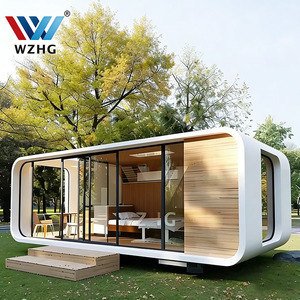
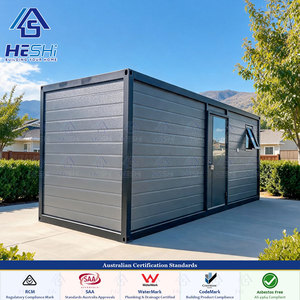
Upstate New York experiences a surging demand for turnkey, thermally unbroken eco-cabins, ADUs, and boutique capsule lodgings. Factory-insulated container homes deliver rapid ROI for rural hospitality hosts by avoiding the exorbitant costs of local framing contractors.
Turnkey container restrooms and ADA-compliant modular lavatories serve public parks, state beaches (such as Jones Beach and Robert Moses), private marinas, and major outdoor exhibitions, offering vandal-proof, plumbed, and pre-wired rapid-deployment hygiene stations.
With biotechnology hubs expanding across Westchester and western Long Island, modified insulated container modules serve as rugged enclosures for back-up generators, water treatment filtration banks, modular battery storage systems (BESS), and specialized temperature-sensitive storage.
Addressing NYC Local Law 97, seismic guidelines, thermal break design, and ISO manufacturing tolerances.
The commercial landscape of New York State is characterized by stringent building energy standards. With the enactment of NYC Local Law 97 (LL97) and rigorous updates to the New York State Uniform Fire Prevention and Building Code, conventional uninsulated or poorly converted containers are completely obsolete for occupied applications.
Our manufacturing facility solves the inherent thermal bridging of steel corrugation by deploying closed-cell polyurethane spray foam (CCSPF) combined with non-conductive stud standoffs. This delivers continuous insulation envelopes rated up to R-30 for roofs and R-21 for walls. Additionally, internal mechanical, electrical, and plumbing (MEP) systems are integrated according to NFPA 70 (NEC) standards with pre-tested conduit lines, ground fault protection, and low-consumption inverter HVAC systems, ensuring seamless sign-offs under local jurisdictional plan examinations.
| Platform Type | Dimensions (L × W × H) | Tare Weight | Max Payload | Thermal / Energy Spec | Common NY Use-Case |
|---|---|---|---|---|---|
| 10ft Dry Cargo | 10'0" × 8'0" × 8'6" | 2,870 lbs | 22,040 lbs | Custom Closed-Cell Insulation | Tight NYC Jobsite Tool Lockers / ADA Restroom |
| 20ft GP Standard | 19'10.5" × 8'0" × 8'6" | 4,916 lbs | 62,280 lbs | Optional R-13 to R-21 Batt/Spray | Equipment Storage / Security Guard Booths |
| 20ft High Cube (HC) | 19'10.5" × 8'0" × 9'6" | 5,200 lbs | 61,990 lbs | R-21 Wall / R-30 Roof Foam | Prefab Compact Studio / In-Plant Substation |
| 40ft High Cube (HC) | 40'0" × 8'0" × 9'6" | 8,775 lbs | 58,425 lbs | Complete Architectural Thermal Break | Multi-Unit Housing Modules / Commercial Offices |
| Expandable Foldout | 20'/40' × 19'0" × 8'2" | 9,250 lbs | N/A (Built Assembly) | EPS/PU Sandwich Panel Envelope | Rapid Deploy Workforce Dorms / Upstate Glamping |
Rooted in residential craftsmanship and factory modular discipline since 2015, Robert Wagoner's engineering methodology ensures accountability from initial weld to site placement.
We do not broker unidentified container scrap. Structural modifications, certified AWS/CWB structural welding, steel headers, insulation, and full interior MEP fit-outs are built under one roof in our state-of-the-art facility.
Our raw containers are constructed of authentic atmospheric corrosion-resistant Corten steel. This alloy forms a stable, passivated rust-patina that resists the corrosive salt fogs of Long Island Sound and NYC harbor.
Units leave our factory floor completely inspected, pre-wired, pre-plumbed, and structurally detailed. They arrive ready for crane hoisting or tilt-bed discharge straight onto prepared pier, slab, or beam foundations.
Critical considerations regarding NYC DOB codes, zoning, delivery clearances, and harsh winter snow loads.