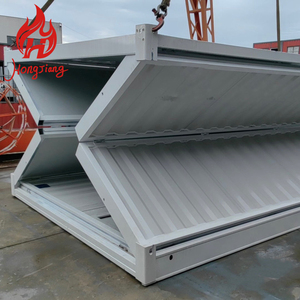
Fast Deployment
20ft Folding Cabin Tiny House Foldable Container Home
Collapsible galvanised structural steel housing module. Quick deployment for commercial kiosks, satellite site offices, and immediate disaster relief.
Industrial-Grade Modular Construction, Coastal Anti-Corrosion Engineering & Turnkey C2–C5 Weather-Resilient Architectural Systems for Archipelago Infrastructures
Explore our core prefabricated units, modular workforce settlements, auxiliary container restrooms, and mobile utility enclosures optimized for direct shipping across major Indonesian ports.
Collapsible galvanised structural steel housing module. Quick deployment for commercial kiosks, satellite site offices, and immediate disaster relief.
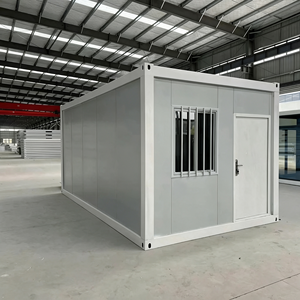
Engineered for repeated disassembly and rapid erection in remote mining camps, plantation operations, and industrial project quarters.
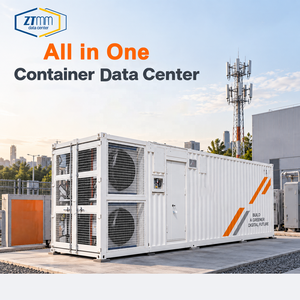
Turnkey rugged container housing for tactical edge computing, telecom network hubs, remote monitoring centers, and site operational commands.
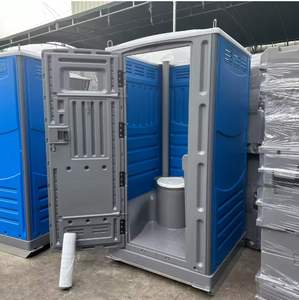
Self-contained mobile sanitary pods featuring easy-clean composites, anti-siphon graywater systems, and durability for public construction sites.
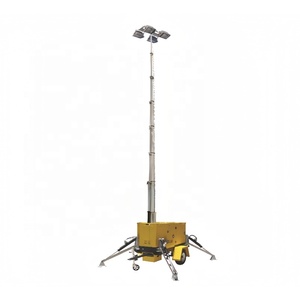
Towable high-efficiency off-grid power generating units. Supplies continuous illumination and dependable power for overnight infrastructure construction.
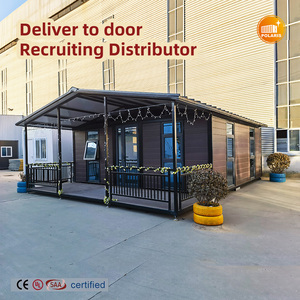
Modular dual-wing expandable architectural system with turnkey electrical and plumbing. Premium choice for eco-resort villas, glamping, and private residences.
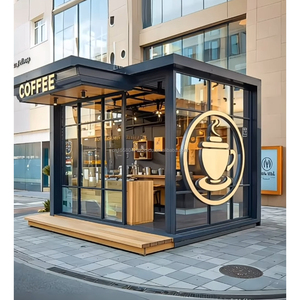
Hydraulic/gas-strut opening counter shutters, commercial-ready utility channels, and fully weatherized thermal envelopes for urban retail and resorts.
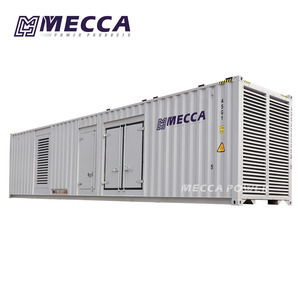
Three-phase industrial standby/prime diesel power generation plant mounted inside soundproof ISO standard steel containers for isolated sites.
Developing permanent and semi-permanent buildings within the Indonesian archipelago demands a radical departure from conventional light-gauge framing. Situated along the Pacific Ring of Fire, projects across Java, Sumatra, Sulawesi, and Nusa Tenggara must comply with stringent seismic design guidelines, specifically SNI 1726:2019 (Earthquake Resistant Building Design Procedures).
Our heavy-duty steel structure homes utilize reinforced moment-resisting frames fabricated from ASTM A572 Grade 50 and Q355B structural steel. Unlike brittle masonry structures that crack and fail under ground shear waves, our steel moment frames and container monocoque shells absorb cyclical dynamic energy through controlled ductile flexure.
Furthermore, our off-site industrial modular manufacturing ensures that each cold-formed c-channel, beam splice, and high-tensile connection bolt meets international tolerances, eliminating reliance on unregulated job-site fabrication.
Indonesia's maritime boundary environments carry extreme airborne saline saturation. Our profiles receive blast cleaning to Sa 2.5 standard, followed by inorganic zinc silicate primers, high-build epoxy micaceous iron oxide barrier coats, and fluoropolymer polyurethane topcoats exceeding 240μm Dry Film Thickness (DFT).
Tropical heat transfers and continuous 90%+ relative humidity cause heavy interior condensation. We integrate continuous rockwool cores (100–120kg/m³) or closed-cell polyurethane foam with vapor-impermeable synthetic breathing membranes to maintain an interior U-value below 0.35 W/m²K.
Elevated ground-skid structural designs and micro-piling systems lift dwelling modules 300–600mm above ground level, stopping tropical flood ingress and sub-slab termite colonization.
Roofing brackets and structural skin fastenings calculate wind uplift resistances according to SNI 1727:2020 standards, tolerating severe offshore tropical squalls exceeding 180 km/h.
Pre-installed wiring runs through fire-retardant corrugated PVC conduits matching SPLN electrical safety standards (220V/50Hz), integrating quick-connect plumbing couplers for instant site hook-up.
From booming tourist coastlines to inland extractive concessions, our steel structure homes and modular units solve logistically challenging site operations.
East Kalimantan's greenfield construction calls for ultra-low-impact, sustainable building structures. Our prefabricated modular units, expandable quarters, and field offices fulfill speed-to-market and low-carbon mandate requirements without generating concrete slurry runoff.
Bali, Lombok, Labuan Bajo, and Raja Ampat project operators leverage our expandable container chalets and panoramic glass steel homes. Modular structures minimize damage to natural cliff terrains, pristine beach lines, and tropical jungle canopies.
High-density nickel mining sites in Morowali and Halmahera, alongside coal concessions in Kalimantan, rely on heavy-duty Z-fold staff accommodations, mobile sanitations, and containerized command nodes that relocate flexibly as concession lines move.
Decentralized island distribution networks utilize our container shops, pop-up commercial hubs, and modular telecom data rooms to launch operational branches rapidly without depending on local sand, gravel, or artisanal bricklayer availability.
Market demand is pivoting swiftly toward prefabricated light-and-heavy steel systems driven by supply chain constraints and environmental mandates.
With the Green Building Council Indonesia (GBCI) pushing Greenship certifications, construction firms are replacing carbon-intensive Portland cement with 100% recyclable structural steel, reducing project embodied carbon by up to 43%.
Inter-island breakbulk cargo transport in Indonesia is expensive and unpredictable. Prefabricated containerized units utilize standard container vessels and port spreader cranes, reducing transit insurance premiums and handling expenses.
Contractors in Jakarta, Surabaya, and Medan increasingly prefer dry-joint steel structures to circumvent monsoon season stoppages, completing building superstructures 70% faster than traditional wet trowel techniques.
Unlike third-party sourcing agencies and brokers, our factory roots originate from real master construction craft—designing, cutting, welding, wiring, and finishing high-tensile modular steel under unified quality protocols.
Every single step—architectural drafting, structural shear modifications, sub-floor steel framework, closed-cell insulation foaming, electrical conduit runs, and luxury finish fit-outs—takes place in-house under strict ISO quality oversight.
We build upon authentic weathering Corten steel shipping platforms and high-yield heavy steel channels. The structural envelope retains dimensional stability, high load-bearing ratings, and rust self-arresting chemistry unmatched by thin cold purlins.
We provide full export documentation support, certified maritime container certifications (CSC), and direct multi-modal breakbulk/container shipping routes straight to Indonesian main gateways including Tanjung Priok, Tanjung Perak, and Belawan.
Essential guidance for Indonesian civil developers, EPC general contractors, and commercial hospitality operators.