Explore precision-modified steel structures tested against extreme continental temperature ranges (-45°C to +45°C), engineered for instant operational deployment in rugged extraction territories.
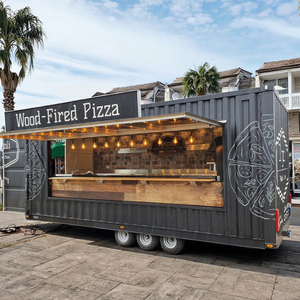
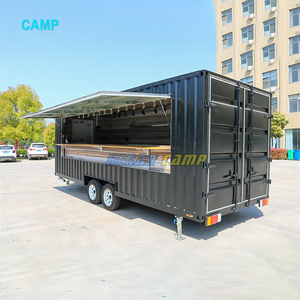
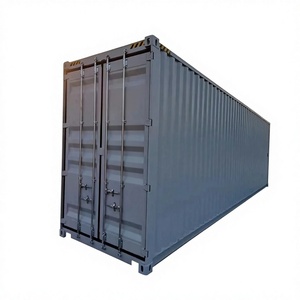
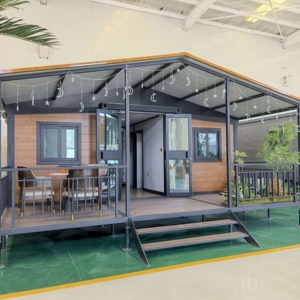
The Republic of Kazakhstan features one of the most demanding physical operating environments globally. From the hyper-saline winds of the Caspian basin to the permafrost-adjacent sub-zero steppes of Karaganda, standard off-the-shelf sea containers fail without targeted structural and thermodynamic engineering.
Oil & gas super-projects like Kashagan, Tengiz, and Karachaganak demand mobile mechanical and electrical workshops certified for hazardous areas (ATEX Zone 1 & 2 / IECEx). Mobile containerized maintenance workshops here must feature positive-pressure purging systems to isolate toxic hydrogen sulfide (H2S) gases, non-sparking aluminum checker plate flooring, intrinsically safe explosion-proof lighting, and marine-grade epoxy coatings capable of withstanding the saline winds of the northern Caspian seabed.
Copper, coal, ferroalloy, and uranium operations situated across Zhezkazgan, Ekibastuz, and Ust-Kamenogorsk subject field machinery to continuous structural shock and extreme abrasive dust. Containerized maintenance units deployed at these pitheads function as localized hydraulic hose fabrication rooms, heavy pneumatic tooling stations, and precision CNC repair shops. Integrated 2-ton overhead gantry cranes, heavy-duty unistrut wall support systems, and 4.5mm reinforced chequered floor plates allow mining operators to rebuild heavy excavator transmissions directly in the field.
As Kazakhstan serves as the central land bridge for the Silk Road Economic Belt, intermodal rail transshipment terminals require fast, agile, relocatable support structures. Mobile workshop containers here house locomotive inspection hubs, track repair gear, and automated hydraulic maintenance modules. These units can be hoisted by standard twist-lock reach stackers and repositioned along rail yards without dismantling underlying utilities, providing operational versatility across standard gauge (1435mm) and Russian gauge (1520mm) interfaces.
Industrial operators across Kazakhstan are moving away from permanent masonry workshops and low-quality EPS temporary sheds. Procurement mandates increasingly prioritize cold-bridge-free designs, rapid lifecycle relocatability, and complete self-contained micro-grid connectivity.
Kazakhstan's Building Norms (SP RK 2.04-01-2017 "Thermal Protection of Buildings") require rigid thermal performance. When external ambient conditions fall below -40°C in regions like Pavlodar or North Kazakhstan, inferior container conversions suffer catastrophic condensation, structural frosting, and electrical short-circuits. Current engineering standards mandate non-flammable basalt mineral wool or closed-cell Polyisocyanurate (PIR) insulation with a minimum thickness of 100mm to 150mm, combined with thermal-break structural studs that prevent metal-to-metal thermal conductivity.
With exploration blocks in the central Betpak-Dala desert sitting hundreds of kilometers from municipal electrical grids, tier-one buyers specify hybrid containerized workshops. Modern mobile container units integrate onboard sound-dampened 30kVA diesel generators, automatic transfer switches (ATS), roof-mounted heavy snow-rated photovoltaic panels with lithium energy storage systems (ESS), and wastewater recovery circuits, allowing maintenance engineers to execute uninterrupted field turnarounds.
Under Eurasian Economic Union (EAEU) customs protocols, industrial container workshops exported into Kazakhstan require formal technical regulation certifications (including TR CU 004/2011 for low-voltage equipment, TR CU 020/2011 for electromagnetic compatibility, and TR CU 012/2011 for explosive environments). Importers now mandate pre-inspected, factory-certified wiring channels, fire-resistant internal cladding, and comprehensive technical passports to bypass border demurrage at Dostyk, Altynkol, or Aktau port.
Based on engineering verification, structural resilience in cold climates, supply chain throughput via Eurasian corridors, and compliance with local SNiP and EAC industrial criteria.
Direct technical parameter comparison for procurement managers evaluating 20FT and 40FT container workshop platforms for deployment in Central Asian harsh climatic zones.
| Technical Parameter | 20ft Standard Workshop | 20ft High-Cube Arctic Unit | 40ft Industrial Repair Station | Expandable Dual-Wing Unit |
|---|---|---|---|---|
| External Dimensions (L × W × H) | 6,058 × 2,438 × 2,591 mm | 6,058 × 2,438 × 2,896 mm | 12,192 × 2,438 × 2,896 mm | 5,900 × 6,300 × 2,480 mm (Deployed) |
| Base Shell Construction | Corten Steel SPA-H (1.6-2.0mm) | Reinforced Corten SPA-H (2.0mm) | Heavy Marine Corten (2.0-2.3mm) | Galvanized Steel Frame + Panels |
| Thermal Insulation Envelope | 75mm Mineral Wool (U: 0.45) | 120mm PIR Foam (U: 0.18) | 100mm Polyurethane (U: 0.22) | 75mm Fireproof EPS / Glasswool |
| Flooring Load Capacity | 350 kg/m² Uniform Load | 750 kg/m² Point Load (Chequered) | 1,200 kg/m² Reinforced I-Beam | 300 kg/m² Standard Foot Traffic |
| Internal Power Architecture | 230V Single-Phase / 16A Sockets | 380V 3-Phase / 32A CEE Form | 380V/415V Dual 63A Outlets + ATS | 220V/50Hz Distributed Circuit |
| Integrated Handling System | Standard ISO Corner Castings | ISO Castings + Forklift Pockets | Castings + Crane Hoist Lugs | Corner Castings + Winch Setup |
| Sub-Zero Operability | Down to -20°C | Down to -45°C (Electric Heating) | Down to -45°C (Hydronic / Heat Pump) | Down to -15°C (Requires Aux Heat) |
Founded in 2015 by builder Robert Wagoner in Butler, Missouri, Custom Container Living (CCL) brings rigorous hands-on construction discipline to modular steel structures. By consolidating architectural drafting, certified structural welding, industrial MEP engineering, and final interior outfitting in our own integrated facility, we eliminate the costly markups and design disconnects typical of trading brokers.
Clear, practical technical answers addressing regulatory compliance, customs clearance, shipping routes, and foundations for field deployments.
Modular workshop containers exported to Kazakhstan enter under HS Code 9406903800 (Prefabs of iron or steel). If classified as specialized industrial equipment shelters with pre-installed machine tools, corresponding machinery codes may apply. Shipments must be accompanied by EAC Declaration of Conformity with Technical Regulations (TR CU 004/2011, TR CU 020/2011), Certificate of Origin, and technical safety passports translated into Russian and Kazakh to avoid demurrage at border terminals like Dostyk, Altynkol, or Aktau.
Kazakhstan's vast steppes feature aggressive freeze-thaw cycles and expansive clay soils that lose bearing capacity during spring snowmelt. Standard practice avoids continuous poured concrete slabs in remote areas. Instead, engineers utilize engineered screw piles (helical piers) driven beneath the frost line (typically 1.8 to 2.2 meters deep depending on regional SNiP maps) or prefabricated reinforced concrete sleeper pads (FBS blocks) positioned under the 4 ISO corner castings to facilitate immediate post-winter re-leveling.
Condensation (sweating) occurs when humid internal air hits cold steel walls. CCL eliminates this through a strict warm-wall building envelope design. We apply a continuous non-permeable vapor barrier combined with high-density spray polyurethane foam (SPF) or PIR sandwich panels adhered directly to the steel corrugations without air voids. Structural studs are mechanically decoupled from outer container walls using high-density polymeric thermal shims to eliminate conductive cold bridging entirely.
Yes. Custom Container Living and certified export builders specify industrial three-phase 380V/50Hz distribution systems according to GOST 29322-2014 standards. Circuit breakers are sourced from global suppliers (Schneider Electric, ABB, or Siemens) for easy replacement in Almaty or Karaganda. Pneumatic infrastructure includes built-in refrigerated air dryers and water-oil separators to prevent condensation from freezing inside field air lines during winter shifts.
Because all units are built strictly to standard ISO 20ft and 40ft container dimensions with CSC safety certificates, they travel seamlessly via regular intermodal rail platforms. Freight shipped through the Trans-Caspian International Transport Route (TITR) or via the China-Europe rail corridors via Khorgos typically reaches key terminals (Almaty-1, Astana-40, or Atyrau) within 14 to 22 transit days after dispatch, avoiding oversized freight penalties.
Yes, but not by mounting them directly to thin corrugation walls. Certified structural conversions incorporate supplementary internal structural steel portal frames (H-beams and structural hollow sections) anchored into the bottom and top longitudinal rails and corner posts. This structural skeleton supports monorails or bridge cranes rated from 1.0 to 3.2 tons without compromising the container's structural stackability or transit safety.
Speak directly with our specialized modular engineering team. Whether you need an individual 20ft tactical field maintenance shop, an explosion-proof Caspian chemical lab, or a multi-container turnkey worker base camp, we deliver precision steel assets on schedule.
Get a Quote