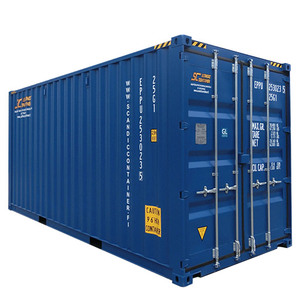
Explore high-performance modular units engineered for mobile catering, drive-thru beverage storefronts, and off-grid hospitality environments directly from industrial fabrication lines.
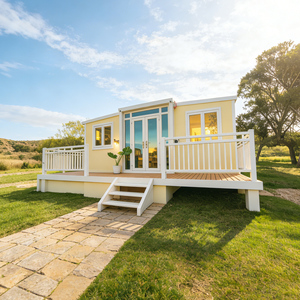
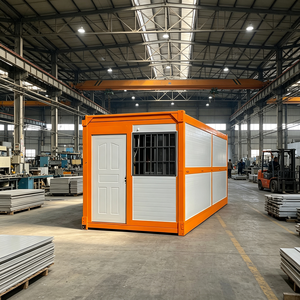
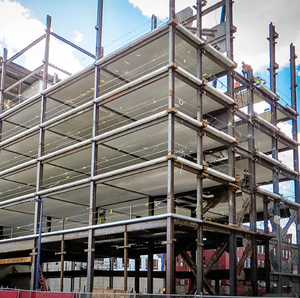
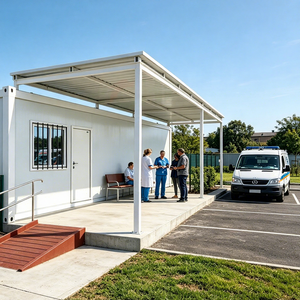
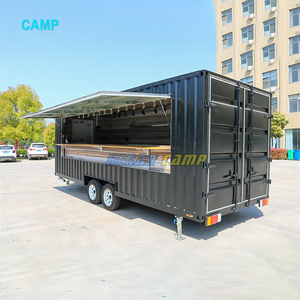
An authoritative industry breakdown comparing primary manufacturing hubs, engineering proficiencies, quality certifications, and structural capabilities for multi-unit B2B procurement.
Tier-1 integrated builders like Custom Container Living carry full fabrication in-house. From raw Corten structural reinforcement to UL-certified wiring and NSF-grade kitchen linings, end-to-end integration mitigates third-party broker markups and layout deviations.
Specialized commercial vehicle builders focus strictly on towable or wheeled container chassis. While offering fast tactical relocation, these units usually require specialized trailer chassis maintenance and comply with DOT rather than permanent IBC/commercial building standards.
Volume exporters utilizing light-gauge steel profiles that ship un-assembled. These deliver lower shipping volume costs but require intensive on-site assembly, secondary electrical refits, and structural retrofits to support heavy dual-boiler espresso machines and cold-room compressors.
| Manufacturer / Factory Profile | Core Structural Material | MEP Code Compliance | Customization Flexibility | Production Lead Time |
|---|---|---|---|---|
| In-House Custom Builders (Custom Container Living) | ISO Heavy Corten Steel (14-gauge corrugated) | IBC, NEC, UPC, ADA Compliant (Turnkey) | High (Full architectural bespoke layouts) | 6 – 10 Weeks (Ready-to-Ship options) |
| Automated Flatpack Producers | Cold-formed galvanized light steel | Requires on-site local recertification | Low (Standardized modular matrix) | 3 – 5 Weeks (Kit form) |
| Towable Food Trailer Fabricators | Tubular carbon steel / composite panels | DOT / Health-Department trailer standards | Medium (Fixed spatial floor plans) | 8 – 12 Weeks |
| Modular ISO Modifiers (Generalist Yards) | Used/One-Trip standard cargo shells | Variable depending on local subcontractors | Medium (Limited engineering depth) | 10 – 14 Weeks |
How cutting-edge hospitality brands are optimizing CAPEX and operational throughput through advanced offsite modular manufacturing.
Modern coffee retail models demand optimized queue velocities. Top manufacturers now fabricate integrated cantilevered hydraulic service awnings, heated pick-up lockers, and dual-window pass-throughs within 20ft and 40ft container envelopes. Incorporating reinforced structural lintels ensures wide awning openings without sacrificing the container's structural shear strength under heavy roof loads.
Prime retail real estate is often bottlenecked by utility hookups. The latest manufacturing frontier combines high-density closed-cell spray foam (R-21 to R-30 thermal envelope values) with hybrid power arrays (roof-integrated PV panels and commercial battery storage), dual-loop greywater separation, and high-capacity onboard potable water tanks for remote beach, mountain, or festival activations.
Key risk management, structural compliance, and balance-sheet considerations before signing commercial modular contracts.
Steel provides negligible thermal insulation. In cold or subtropical climates, improper insulation causes rapid interior condensation, compromising espresso grinders and commercial refrigeration. Ensure your factory uses closed-cell polyurethane spray foam with continuous thermal breaks to prevent moisture and maintain interior climate stability.
Commercial beverage prep stations must comply with local NSF/ANSI sanitation regulations, requiring non-porous stainless backsplashes, continuous seamless commercial vinyl or diamond-plate aluminum floors, 3-compartment wash sinks, dedicated hand-washing stations, and ADA-compliant transaction counters.
Procuring a modified shell from one vendor, interior trades from subcontractors, and commercial kitchen fit-outs from another creates liability gaps. Working with a dedicated direct manufacturer ensures structural framing, MEP rough-ins, and architectural finishes are validated under a unified factory warranty.
Operating out of Butler, Missouri since 2015, we bridge the gap between heavy industrial container engineering and master-crafted hospitality spaces.
Founded by residential and commercial builder Robert Wagoner, our production philosophy translates decades of stick-built structural knowledge into modular steel units. We understand load vectors, deadweight distribution of 200+ lb commercial espresso machinery, and precision interior cabinetry that withstands the rigors of long-haul logistics.
We are not a brokerage desk. Every ISO container modification—structural cutting, welding, spray foam application, plumbing, electrical engineering, ADA restroom builds, and exterior finishes—takes place in our Butler, Missouri plant. Clients receive predictable project milestones, uncompromised quality, and direct factory-door access.
Essential answers to technical, zoning, structural, and logistical questions for container coffee shop investments.
Consult with our engineering and design team to discuss site plans, code requirements, layout optimization, and volume manufacturing contracts.