Explore high-performance ISO standard containerized gensets, acoustic soundproof housings, underslung reefer gensets, and modular command centers engineered for mission-critical power generation.
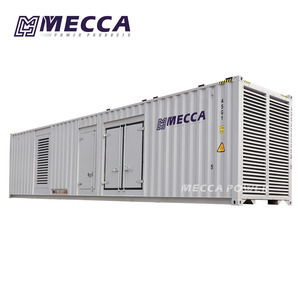
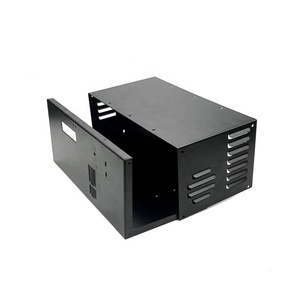
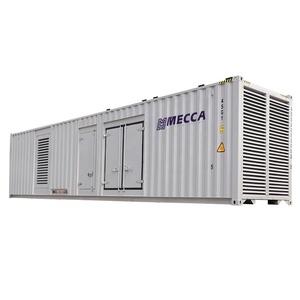
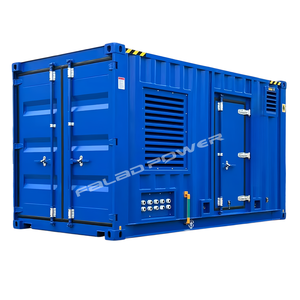
In modern critical power engineering, packaging high-megawatt diesel and gas engines within intermodal shipping containers is no longer just about mounting metal around an engine. A true containerized mobile power unit represents a convergence of structural FEA (Finite Element Analysis) mechanical design, thermodynamic computational fluid dynamics (CFD), dual-attenuation acoustics, and harsh-environment marine anti-corrosion engineering. As hyperscale data centers, remote mining sites, utility microgrids, and disaster response teams require rapid, turnkey megawatt-scale power, mobile generator containers have emerged as the gold standard for off-grid infrastructure.
Manufactured strictly to ISO 668 dimensional criteria and certified under CSC (International Convention for Safe Containers), our containerized power enclosures utilize weathered Cor-Ten A high-tensile structural steel. Unlike generic enclosures converted post-manufacture, factory-direct engineered mobile generator containers incorporate integrated floor base frames capable of withstanding heavy dynamic vibration loads exceeding 2.5G without deflection. Custom high-cube configurations (typically 9ft 6in or modified 10ft profiles) ensure adequate clearance for massive overhead silencers, fluid piping, radiator cowlings, and maintenance service corridors conforming to global safety regulations.
Eliminate intermediary markups and configuration discrepancies. Our Butler and international production facilities control every step of the value chain from structural steel cutting to automated load bank testing.
Unlike workshops that modify second-hand containers, we build bespoke ISO power shells from prime Corten-A steel with laser-guided weld integrity and robotic seam joints.
Engineered acoustic baffles, tuned intake/exhaust splitter silencers, and fire-retardant rockwool lined with perforated galvanized sheet ensure ultra-quiet performance.
Every container leaves the facility completely wired, piped, and pre-commissioned, featuring automatic fire suppression, gas detection, and digital ATS switchgear.
How energy transition mandates, edge computing expansion, and logistical challenges are reshaping global containerized power specifications.
Procurement patterns show a massive shift from pure standalone diesel enclosures to hybrid container architectures combining lithium-ion battery energy storage systems (BESS) with variable-speed diesel generators. Modern mobile containers now allocate dedicated insulated, climate-controlled fire-isolated compartments for inverter banks and high-capacity battery racks, reducing fuel consumption by up to 40% in intermittent load operations.
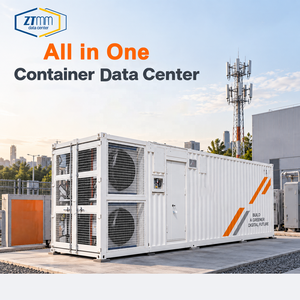
With the global rollout of artificial intelligence clusters and decentralized 5G nodes, data centers demand megawatt packages (1500kVA to 2500kVA) fitting tightly inside standard 40-foot High-Cube footprints. Sourcing specifications now mandate ultra-fast black-start synchronization within under 10 seconds, dual-radiator separation, and smart Modbus/Ethernet telemetry linked directly to centralized DCIM platforms.
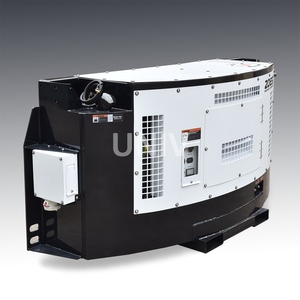
Fresh produce, pharmaceuticals, and perishable global freight logistics demand uninterrupted power across rail, vessel, and highway transport. High-efficiency 20kVA-25kVA underslung chassis gensets and front-mounted clip-on units are increasingly engineered with permanent magnet alternators (PMA), dual-fuel switching, and anti-vibration clamp mechanics capable of sustaining transcontinental intermodal transit without maintenance.
Strict regional emissions standards in North America and the European Union mandate Selective Catalytic Reduction (SCR) and Diesel Particulate Filters (DPF). Container fabricators must incorporate dedicated heated Diesel Exhaust Fluid (DEF) tanks, secondary chemical injection chambers, and elevated exhaust backpressure mitigation inside standard container envelopes without thermal de-rating.
Reference data across standardized ISO footprint sizes for utility and EPC sizing.
| Container Profile | Dimensions (L × W × H) | Applicable Power Range | Acoustic Level (@ 7m) | Structural Tare Weight | Key Features |
|---|---|---|---|---|---|
| 20ft Standard (GP) | 6,058 × 2,438 × 2,591 mm | 250 kVA – 650 kVA | 68 – 72 dBA | ~3,100 kg | ISO CSC Plate, 800L Base Tank, Dual Maintenance Doors |
| 20ft High-Cube (HC) | 6,058 × 2,438 × 2,896 mm | 650 kVA – 1,000 kVA | 65 – 70 dBA | ~3,600 kg | Extra Overhead Silencer Space, Enhanced Radiator Louvers |
| 40ft High-Cube (HC) | 12,192 × 2,438 × 2,896 mm | 1,250 kVA – 2,500 kVA | 68 – 75 dBA | ~8,800 kg | Internal Fire Barrier, Control Room, Motorized Inlets |
| Reefer Underslung | Custom Chassis Mount | 15 kVA – 25 kVA | 62 – 65 dBA | ~680 kg | Quick-Clamp Chassis Mechanism, High Fuel Autonomy |
| Modular Data Center 40ft | 12,192 × 2,438 × 2,896 mm | Plug-and-Play Power / IT | Custom Sealed | ~11,200 kg | Integrated Row Cooling, UPS Reserve, EMI Shielding |
Expert answers addressing structural integrity, acoustic performance, and shipping compliance.
The International Convention for Safe Containers (CSC) ensures that any container moving through international commercial shipping lanes meets strict structural testing standards, including top/bottom corner casting pull tests, transverse racking resistance, floor strength, and multi-tier stackability (typically up to 9 high loaded containers). Without an active, certified CSC safety plate issued by classification societies such as Lloyd's Register, DNV, or Bureau Veritas, ocean carriers will reject the container as cargo-worthy intermodal freight, forcing expensive breakbulk shipment fees.
High-megawatt engines reject tremendous amounts of heat. Enclosing them in soundproof acoustic walls can lead to thermal throttling if airflow is restricted. We utilize 3D CFD airflow simulation to calculate exact air intake and discharge velocities across aerodynamic louver assemblies. The container maintains a static pressure loss under 100-150 Pa, ensuring that the engine jacket water and aftercooler delta-T remains well within manufacturer ambient tolerances (up to 50°C ambient performance) without derating engine power output.
Our factory applies an aggressive ISO 12944 standard C5-M (Marine Heavy Industrial) paint system. All steel structural members undergo automatic shot-blasting to standard SA 2.5 profile to remove all mill scale and oxidation. This is immediately followed by a zinc-rich epoxy primer (60-80 μm), a high-build epoxy micaceous iron oxide intermediate coat (100-120 μm), and a premium aliphatic polyurethane topcoat (50-60 μm), delivering total dry film thickness (DFT) exceeding 240 μm with high UV and salt spray resistance.
Yes. We engineer double-wall (bunded) integrated fuel tanks built directly into the container floor structural chassis. The containment envelope guarantees 110% retention of all internal fluids (fuel, engine coolant, and lubricating oil), strictly preventing any environmental soil contamination. Standard fuel options include mechanical level float gauges, digital fuel telemetry, low/high-level alarms, and automatic fuel replenishment pump systems wired to the master genset controller.
Absolutely. Our engineering department regularly integrates isolated internal control compartments with dedicated air conditioning. These control suites house multi-unit automatic paralleling switchgear (such as Deep Sea DSE8610, ComAp InteliGen, or Deif AGC controllers), motorized ABB/Schneider circuit breakers, busbar connection chambers, and Automatic Transfer Switches (ATS) capable of synchronizing multiple units to form an independent multi-megawatt microgrid.
Consult directly with our factory design engineers for custom dimensions, acoustic calculations, electrical schematics, and factory-direct export quotations.