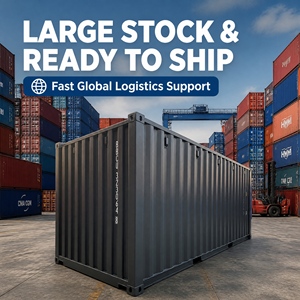
Designed for full compliance with ISO, TIR, and CSC safety standards. Explore specialized hardware built to support Adriatic and Tyrrhenian maritime transit networks.
Italy operates as the primary intermodal maritime gateway connecting Northern Africa and the Middle East with the EU Single Market. Here is how specialized shipping containers are applied across specific regions.
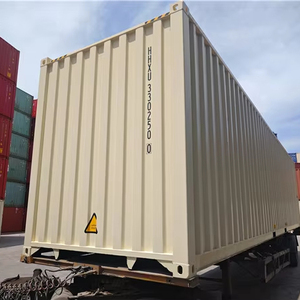
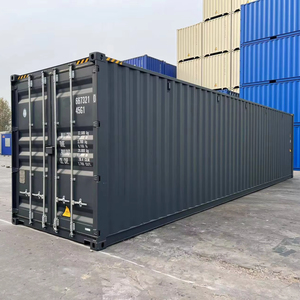
Genoa and La Spezia manage intensive transshipment volumes headed toward the industrial heart of Northern Italy and Central Europe. In these terminals, high-turnover operations require 40ft High Cube Corten steel containers treated with multi-layer marine primers to resist high-salinity marine corrosion and support maximum allowable gross weights under ISO 668 regulations.
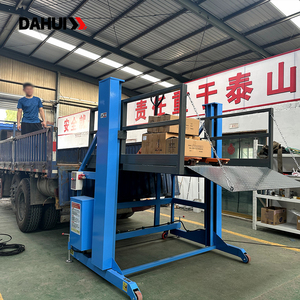
Italy's Inland logistics platforms—such as Interporto di Bologna, Verona Quadrante Europa, and Interporto di Padova—demand high-frequency road-to-rail intermodal transfers. Logistics operators utilize Standard 20ft and 40ft dry vans outfitted with hydraulic dock ramps to rapidly transition high-value machinery, automotive components, and processed industrial cargo between freight rail and long-haul transport.
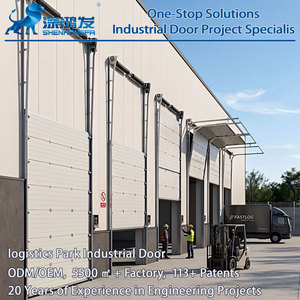
Serving as vital links for the Mediterranean sea lanes, these deep-water ports function as high-volume transshipment hubs. Here, equipment reliability rests on structural CSC seal certifications and automated overhead warehouse doors capable of sustaining high cycle rates in demanding staging and bonded yard zones.
The Italian container transport and storage industry is shaped by aggressive infrastructure modernizations, industrial sustainability policies, and high demand for resilient intermodal equipment.
Italy's National Recovery and Resilience Plan (PNRR) has directed substantial capital toward modernizing freight ports and the "Ferrobonus" rail incentives. This regulatory boost necessitates high-spec ISO intermodal containers that adhere strictly to European EN 283 testing metrics for integrated rail-spine stability.
Across Northern and Central Italy, decommissioned Wind and Water Tight (WWT) and Cargo Worthy (CW) containers are increasingly adapted for modular construction, industrial site offices, secured tool bunkers, and temporary wine storage facilities across the Veneto and Tuscan agro-industrial districts.
Logistics operators and industrial facility developers are increasingly bypassing secondary equipment brokers. By sourcing directly from verified manufacturing facilities, Italian procurers secure documented Corten steel chemistry sheets, direct structural testing certificates, and unified engineering accountability.
Compare standard and high cube variants manufactured for ocean transit, heavy road freight, and cross-Alpine rail corridors.
| Container Type | External Dimensions (L × W × H) | Internal Volume | Tare Weight | Max Payload | Structural Standard |
|---|---|---|---|---|---|
| 20ft ISO Standard | 6,058 × 2,438 × 2,591 mm | 33.2 m³ (1,172 cu ft) | 2,200 kg | 28,280 kg | ISO 1496-1 / CSC |
| 40ft ISO Standard | 12,192 × 2,438 × 2,591 mm | 67.7 m³ (2,390 cu ft) | 3,750 kg | 26,730 kg | ISO 1496-1 / CSC |
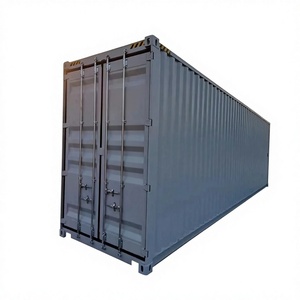
| 40ft High Cube (HQ) | 12,192 × 2,438 × 2,896 mm | 76.4 m³ (2,698 cu ft) | 3,900 kg | 26,580 kg | ISO 1496-1 / TIR |
| Dock Yard Ramp | 11,300 × 2,100 × (1,100-1,800) mm | Mobile Platform | 2,800 kg | 10,000 kg Rated | CE Machinery Directive |
Clarifications on technical conformity, customs documentation, and structural grading for businesses operating in Italy.
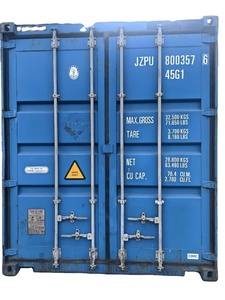
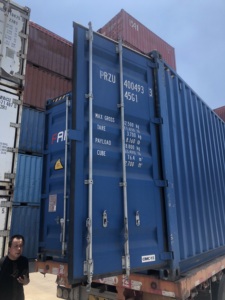
The International Convention for Safe Containers (CSC) requires every container utilized for international transit to display a valid CSC safety approval plate. This plate proves structural integrity, maximum gross operating mass, and approved stacking capabilities. Without a valid CSC plate, maritime carriers calling at ports like Genoa, Trieste, or Naples will decline yard entry or vessel loading.
SPA-H atmospheric corrosion-resistant steel contains specialized alloying elements (copper, chromium, and nickel). When exposed to maritime air containing sodium chloride, it develops a stable, self-regenerating oxide passivation layer. This slows structural wall deterioration compared to standard structural mild steel, significantly extending equipment service life in coastal terminals.
Yes, provided the equipment conforms strictly to UIC 592 specifications and CEN codification rules. Intermodal freight traversing Switzerland or Austria via the Gotthard or Brenner corridors must fit within specific infrastructure loading gauges (such as P400 profile restrictions for high cube bodies on pocket wagons).
Commercial invoices containing exact HS codes (such as 8609.00 for cargo containers), detailed ocean bills of lading (B/L), packing lists noting container serial numbers, and mill test certificates verifying steel grade composition are required by the Italian Customs Agency (Agenzia delle Dogane e dei Monopoli).
A Wind & Water Tight (WWT) container prevents ingress of rain, dust, and wind, making it suitable for static ground-level industrial storage. A Cargo Worthy (CW) container has undergone complete structural evaluation to confirm the corner castings, floor longitudinals, corner posts, and crossmembers can withstand the stresses of ocean shipping and vertical stacking under valid CSC renewal parameters.
Hydraulic yard ramps provide forklift access directly from yard level to the container interior floor, bypassing the need for dedicated civil dock bays. Integrated insulated warehouse sectional doors regulate indoor temperatures and control utility overheads in high-density freight consolidation facilities.
Operating since 2015, our direct manufacturing and export framework eliminates unnecessary middlemen. We manage raw materials selection, automated robotic submerged-arc welding, structural blast-cleaning, marine paint application, and interior configurations under one verified engineering umbrella.