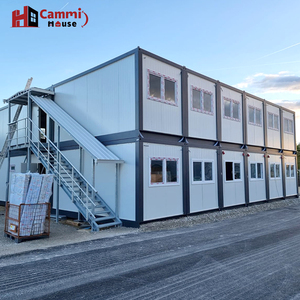
Engineered for high thermal resistance, rapid assembly, and compliance with Vietnamese safety directives, our modular camp solutions serve high-density infrastructure developments across Ho Chi Minh City, Binh Duong, and Dong Nai.
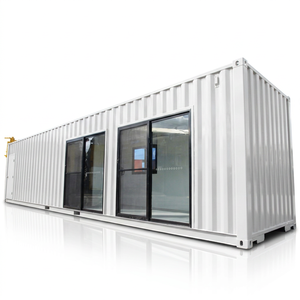
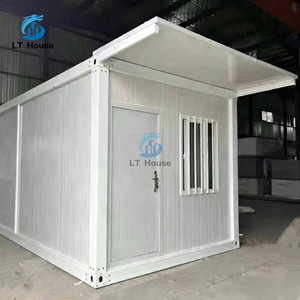
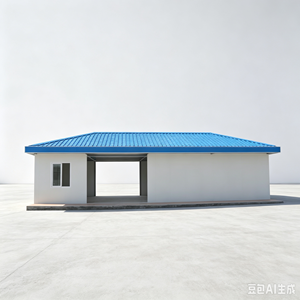
From the urban densification of Ho Chi Minh City to industrial corridors in Binh Duong, Dong Nai, and Long An, contractors require scalable, certified, and climate-hardened workforce infrastructure that meets strict project delivery schedules.
Direct maritime shipping from Shanghai/Ningbo/Shenzhen hubs with zero transshipment bottlenecks.
Panels certified under QCVN 06:2022/BXD regulations utilizing non-combustible A1 Rockwool cores.
Polyurethane and high-density mineral thermal envelopes resist tropical sub-equatorial heat gain.
Proven supplier credentials serving leading EPC contractors, heavy civil engineers, and factory zones.
Deploying modular workforce housing in Ho Chi Minh City requires solving three distinct regional engineering challenges: extreme wet-season humidity, low-bearing delta soil profiles, and fast-track industrial land turnover.
Projects such as the HCMC Metro Line 2, Ring Road 3 (Vanh Dai 3), and Long Thanh International Airport access corridors require temporary workforce accommodations that occupy minimal footprints while maintaining pristine sanitary standards.
Southern hubs like VSIP (Binh Duong), Amata City (Dong Nai), and Hiep Phuoc (Nha Be) experience massive construction surges where thousands of specialists require turnkey living units compliant with multinational audit protocols.
Projects along the Cai Mep-Thi Vai corridor and Can Gio deep-water terminals require accommodation units hardened against salt-fog deterioration, driving typhoons, and sustained corrosive coastal environments.
Choose the optimal structural configuration based on your assembly schedule, crane availability on site, and maritime logistics budget.
| Modular Typology | Shipping Efficiency | Erection Speed | Structural Frame | Insulation & Thermal | Ideal HCMC Application |
|---|---|---|---|---|---|
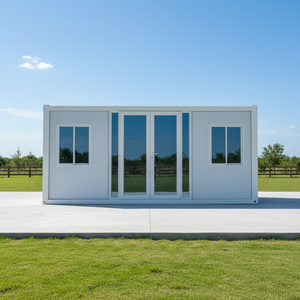
| Flat Pack Container House | 4 units packed into 1×40ft HQ | 2 hours / 4 workers / unit | Cold-rolled galvanized steel frame (3.0mm thickness) | 50mm/75mm Rockwool core (Density: 100-120kg/m³) | Multi-story semi-permanent EPC headquarters, Long Thanh work camps |
| Detachable Container House | 12-15 units per 40ft HQ (Knock-down) | 3-4 hours / 2 workers / unit | Galvanized bolting members with baked enamel finish | 50mm EPS / PU panels with 0.4mm prepainted steel facings | Budget-conscious factory expansions in Binh Duong and Dong Nai |
| Foldable Container Shelter | 10-12 units per flatbed truck | 8-10 minutes / 2 workers / crane | Interlocking hinges with welded structural perimeter | 50mm Fire-retardant glass wool or PU with airtight seals | Emergency relief camps, rapid utility maintenance, urban sub-camps |
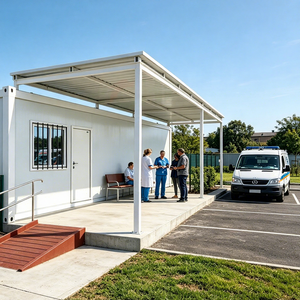
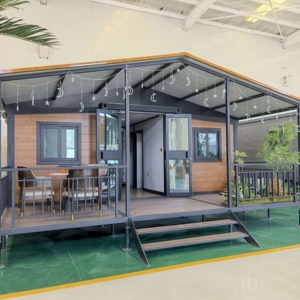
| Expandable Multi-Room Pod | 2 units per 40ft HQ container | 30 minutes / 3 workers / unit | Aviation-grade hydraulic and folding hinge assemblies | High-density PU sandwich with thermal break profiles | Executive engineer housing, site clinics, and VIP monitoring suites |
The construction landscape in Greater Ho Chi Minh City is evolving rapidly. Procurement managers are shifting away from unsafe brick-and-mortar shanties toward engineered modular ecosystems driven by three primary vectors.
Vietnam's revised fire safety regulation places intense accountability on general contractors. Combustible EPS foam cores that once dominated low-cost sites are facing widespread rejection during fire safety inspections by local police authorities (Cảnh sát PCCC).
Our units use strictly certified non-combustible Rockwool and PU-PIR cores that maintain structural integrity during fire events, providing complete peace of mind during official compliance sign-offs.
Tier-1 contractors across Vietnam (such as Coteccons, Ricons, and foreign EPC consortia) are focusing on ESG (Environmental, Social, and Governance) targets. Traditional single-use temporary housing produces vast construction debris during demolition.
Precision-engineered container dormitories boast a structural lifecycle exceeding 15 to 20 years. Units can be disassembled, repacked, and mobilized across 6 to 8 successive project lifecycles, reducing total lifecycle cost per bed by up to 65%.
The southern economic zone faces acute skilled labor shortages. Modern EPC contractors understand that offering air-conditioned, acoustically isolated, clean dormitory housing with modern ablution units reduces turnover and site absenteeism.
Our standardized layouts feature private lockers, high-flow mechanical ventilation, insect screens, and anti-mold coatings suited to Vietnam's hot, humid delta climate.
Operating with over a decade of dedicated modular engineering experience, our integrated manufacturing lines eliminate trading intermediaries, guaranteeing verified steel chemistry and on-time international export fulfillment.
From roll-forming heavy steel channels to automated sandwich panel bonding, CNC cutting, and pre-wiring, all operations take place within our ISO-certified facilities under strict QA/QC surveillance.
We manage complete maritime logistics documentation, providing Form E certificates of origin for preferential ASEAN tariffs, Bill of Lading clearance, and precise packing manifests to simplify Cat Lai port clearance.
Electrical networks conform directly to TCVN standards. We configure power trunking, circuit breakers, industrial exhaust ports, and plumbing stubs to connect instantly with municipal or site utility mains.
Our structural chassis comes backed by a 5-year anti-perforation warranty. Marine-grade primers and electrostatic coatings protect against extreme humidity and atmospheric salinity.
Essential guidance addressing customs, logistics, foundation engineering, and compliance for project managers sourcing modular camp housing into Ho Chi Minh City.