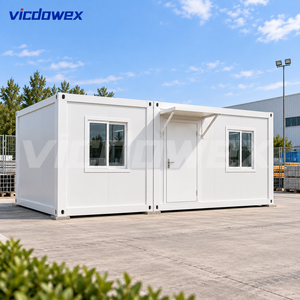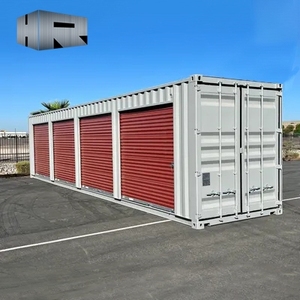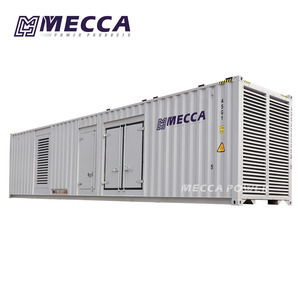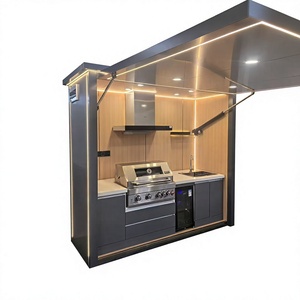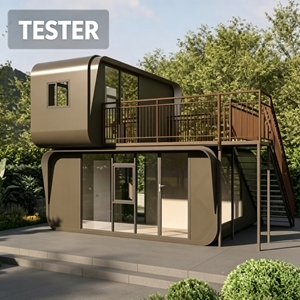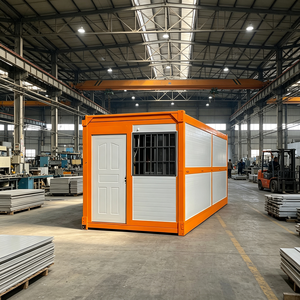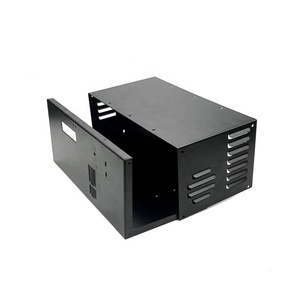
Certified turnkey accommodation, sanitation, commercial cooking, and utility modules designed specifically for Caspian littoral winds, high seismicity, and rugged interior logistical corridors.
As the Republic of Azerbaijan accelerates capital-intensive projects across the Absheron Peninsula, the South Caucasus energy transit corridor, and the comprehensive reconstruction of the Karabakh and Eastern Zangezur economic zones, engineering procurement teams face complex logistical and operational challenges. Sourcing modern workforce accommodation demands far more than basic ISO shipping container conversions; it requires structurally certified, thermally isolated, and rapidly deployable modular ecosystems capable of operating self-sufficiently in remote, high-altitude, or corrosive marine environments.
"Procuring modular infrastructure within Azerbaijan necessitates a rigorous alignment between high-tensile structural integrity, SNiP thermal compliance, and cross-border customs agility. Containerized worker camps are critical assets that determine workforce safety, shift productivity, and regulatory compliance on high-risk civil and petrochemical worksites."
The operational landscape of Azerbaijan presents distinct environmental and structural demands that dictate modular camp specifications:
Deployments in the Sangachal Terminal zone, Pirallahi, and Sumgait petrochemical hubs require ISO flat packs and containerized units treated with offshore marine-grade C5-M anti-corrosion coatings. Structures withstand high-velocity saline winds (Khazri winds exceeding 140 km/h) and continuous salt spray without structural fatigue.
Linear infrastructure developments—including the Horadiz-Agbad-Zangilan rail corridors and mountain road tunnels through Kalbajar and Lachin—demand high ground-clearance modular camps. These configurations feature rapid plug-and-play connections, integrated wastewater collection, and modular heavy-duty snow-load roof trusses.
Expanding dry ports and customs control terminals along the Trans-Caspian International Transport Route (TITR) near Alat Port and the Georgian border utilize stackable, two-story modular office cabins and secure storage container units to scale administrative capacity overnight without permanent ground disturbance.
Azerbaijan's industrial and construction sectors are moving rapidly away from substandard temporary shacks toward prefabricated, green-building compliant modular infrastructure. Key evolutionary vectors include:
A. Advanced Thermal Insulation (SNiP II-3-79 Compliance): Azerbaijan's continental microclimates range from scorching, arid summer conditions in the central Kura-Aras lowlands (+45°C) to sub-zero alpine conditions (-25°C) in Shusha and Dashkasan. Modern modular procurement specifies high-density polyisocyanurate (PIR) and non-combustible A1-grade stone wool sandwich panels (100mm to 150mm thickness), drastically reducing continuous HVAC diesel power consumption.
B. Seismically Engineered Foundation Footings: The Southern Caucasus is an active seismic territory (Richter magnitude zones 7 to 9). Leading engineering contractors now require worker camp modules engineered in accordance with Eurocode 8 / AzDTN principles, featuring bolted galvanized steel frameworks that absorb lateral ground accelerations rather than transferring shear stress to interior drywalls.
C. Integrated Turnkey Utility Self-Sufficiency: Remote sites frequently lack municipal sewer and electric grids. Procurement contracts now standardly combine living cabins with sound-dampened 2500kW containerized generators, modular water purification skids, commercial grease-trap kitchen units, and containerized biological wastewater treatment units (MBR systems).
Non-combustible interior mineral rockwool insulation preventing horizontal flame travel between living quarters.
Epoxy zinc-rich primers and polyurethane topcoats engineered specifically for high-salinity Caspian atmospheric exposure.
Concealed electrical distribution certified to CE/GOST standards with pre-fitted European circuit breakers and sanitary PVC piping.
Intermodal bundled configurations allowing up to 4 flat-pack containers to ship within a standard 40ft High Cube ocean slot.
Building high-performance modular worker camps requires end-to-end manufacturing oversight. Unlike brokers or intermediaries, our manufacturing methodology ensures every structural frame, electrical loop, and sanitary manifold is pre-assembled, load-tested, and audited under strict internal quality frameworks before dispatch.
From initial CAD drafting and structural engineering to cutting, certified welding, insulation injection, electrical fit-out, and final flat-pack crating—every process is executed under our own factory roof. This eliminates subcontractor delays, guarantees structural traceability, and secures wholesale price efficiency for Azerbaijan EPC tenders.
Every modular solution exported to Baku or regional Azerbaijani job sites can be modified with specialized HVAC packages, secondary roof ventilation layers to combat Caspian solar radiation, explosion-proof electrical installations for oilfield perimeters, and ADA-compliant accessible sanitary blocks.
We provide full export-ready documentation, including Certificates of Origin, EUR.1 / CIS conformity paperwork, packing lists, and mechanical schematics. Containerized modules are shipped directly via established multimodal maritime routes through Poti/Batumi or overland rail freight into Baku, Alat, and Ganja terminals.
Direct technical answers addressing customs clearance, snow/wind load verification, transport logistics, and on-site assembly across Azerbaijani operations.
Connect directly with our engineering and export team to request architectural layouts, technical load calculations, and wholesale FOB/CIF delivery quotations for Baku and regional project sites across Azerbaijan.
Send an Inquiry