Structural Precision & Spatial Economics for the Greater Mexico City Metropolitan Area
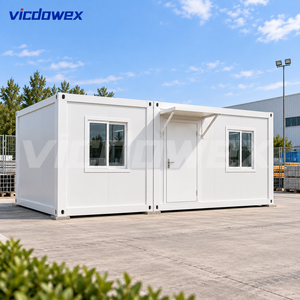
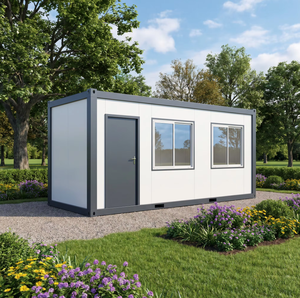
The acceleration of nearshoring and capital investment across the Valley of Mexico has generated unprecedented demand for flexible, robust, and immediately deployable physical administrative space. In commercial zones spanning from the Vallejo Industrial Corridor in Azcapotzalco to the peripheral logistics clusters of Cuautitlán Izcalli, Tultitlán, and Tepotzotlán (the CTT corridor), multinational operators face an acute scarcity of physical ground space and lengthy municipal building permitting timelines. The conventional timeline for concrete and stick-built administrative annexes—often exceeding 8 to 14 months—is incompatible with agile commercial operations. As a dedicated manufacturer and factory-direct partner, our containerized office structures resolve this friction by supplying plug-and-play, relocatable, and structurally certified units that bypass extended civil construction disruptions.
Deploying modular infrastructure within Mexico City (CDMX) requires acute engineering compliance with regional physical characteristics. The lacustrine soft-clay subsoil of the historic lakebed, categorized under the Mexico City Building Code (Reglamento de Construcciones para el Distrito Federal) into Zones I (Firm ground), II (Transition), and III (Soft lacustrine clay), imposes severe dynamic settlement and seismic acceleration constraints. Traditional masonry structures present high structural dead weight, aggravating foundation differential settling. In contrast, our monolithic Corten steel container frames present an exceptional strength-to-weight ratio. Engineered with structural box-girder rigidity, they flex under seismic waves without brittle structural shear failure, presenting industrial planners with an inherently resilient architectural baseline.
Thermal Mass, Altitude, and Building Envelope Physics at 2,240 Meters
Operating an administrative office facility at an altitude of 2,240 meters above sea level introduces extreme diurnal temperature fluctuations. Mexico City frequently shifts from chilly single-digit morning temperatures to high solar-radiation exposure during afternoon peaks. Uninsulated or improperly converted shipping containers suffer from extreme thermal bridging, condensation accumulation, and severe acoustic resonance from ambient urban noise. Our engineering methodology eliminates these issues through a multi-layer climate envelope:
By applying closed-cell polyisocyanurate (PIR) rigid board or continuous closed-cell polyurethane spray foam insulation (R-13 to R-21 values), we eliminate thermal bridges across the structural steel ribs. Furthermore, interior sound-dampening acoustic rockwool batting combined with gypsum or fiber-cement interior linings reduces exterior decibel transmission from highway and industrial environments by up to 42 dB. To repel intense high-altitude ultraviolet radiation, our factory applies elastomeric, highly reflective ceramic exterior thermal coatings, reducing surface solar absorption and cutting HVAC energy draw by up to 35% across year-round operations.
| Engineering Attribute | Standard Commercial Containers | Our Factory-Engineered Modular Offices | Local CDMX Compliance Relevance |
|---|---|---|---|
| Structural Steel Frame | Mild steel / Corrugated sheet (1.6mm) | Weathering Corten-A Steel (2.0mm) + Structural Box Reinforcements | Eliminates structural fatigue during Zone III seismic ground motion |
| Insulation Subsystem | Basic fiberglass or bare sheet metal | Closed-Cell High-Density Polyurethane / Non-combustible Rockwool | Counteracts 2,240m altitude diurnal swings and prevents inner wall condensation |
| Electrical Grid Integration | Standard single-phase wiring | Dual-voltage 127V/220V 60Hz NOM-001-SEDE Compliant Panels | Immediate interlock with CFE distribution networks & local site transformers |
| Fenestration & Glazing | Single pane, aluminum frame | Double-pane Low-E Tempered Argon Glazing, Thermal Break Frames | Mitigates perimeter heat gain and attenuates heavy traffic acoustic noise |
| Ablution & Waste Integration | External plumbed or non-integrated | Factory-welded PEX plumbing, gravity blackwater tanks & low-flow fixtures | Addresses local municipal water rationing and SACMEX wastewater protocols |
Localized Industrial Applications Across the CDMX Economic Hub
The geographic distribution of modular office units across Central Mexico mirrors specific macro-economic development sectors:
Vallejo & CTT Logistics Corridors
Rapid expansion of cross-dock facilities, third-party logistics (3PL) centers, and distribution hubs requiring dispatch offices, driver check-in cabins, and high-cube administrative management pods situated directly on terminal asphalt.
Infrastructure & Urban Redevelopment
On-site command stations for civil engineers, public transit expansion corridors (Metro and Cablebús), and major commercial construction developments throughout Reforma, Polanco, and Santa Fe requiring relocatable multi-story command pods.
Nearshoring Manufacturing Hubs
Tier-1 automotive, electronics, and biomedical suppliers in nearby Toluca, Lerma, and Querétaro border zones demanding immediate on-factory-floor management annexes, supervisor cleanroom offices, and secure ablution facilities.
Factory-Direct Authority
Why Direct Manufacturer Sourcing Matters for Mexico
Eliminate third-party broker premiums, non-standard structural modifications, and import compliance delays with our fully integrated manufacturing operations.
In-House Design to Delivery
Founded on rigorous structural framing standards, our builds are designed, structurally modified, insulated, wired, plumbed, and finished under one single industrial roof. This guarantees unmatched quality control, documented weld penetration, and clear structural accountability.
Turnkey & Off-Grid Ready
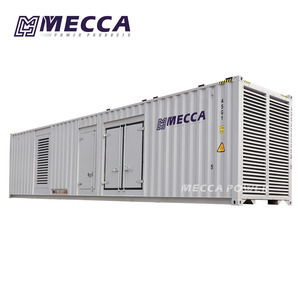
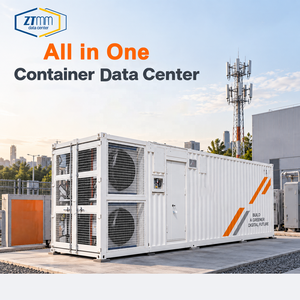
Whether you require plug-and-play high-cube offices, turnkey ADA-compliant ablution systems, modular containerized diesel generators for uninterruptible power plants, or container data centers, each asset leaves our plant factory-tested for immediate deployment.
Bespoke Architectural Customization
From multi-container combined open-plan complexes (such as our 40ft high-cube side-by-side modules) to integrated solar panel arrays, specialized HVAC split units, and customized exterior siding, we execute builds tailored precisely to corporate brand standards.
Procurement & Regulatory FAQ
Frequently Asked Procurement Questions (CDMX)
Technical, logistical, and legal clarity for project engineers, procurement managers, and commercial general contractors.
Q. Do container offices require a traditional building permit in CDMX?
Under Mexico City regulations, containerized structures that rest on temporary footings or pier systems without deep foundation penetration are classified as non-permanent, demountable commercial installations. This significantly expedites deployment under standard temporary work permits compared to permanent civil construction licenses.
Q. How do these modular offices handle soft soil and seismic activity?
Because the self-supporting ISO Corten steel frame acts as a single rigid box beam, it redistributes loads evenly across surface spread footings or perimeter steel skids. In seismic Zone III soft clay, they present zero risk of catastrophic structural cracking or sudden brick shear failure seen in conventional block walls.
Q. What electrical standards and voltages are pre-wired?
Our units arrive pre-wired with copper conductors encased in EMT or rigid conduit complying strictly with NOM-001-SEDE-2012 standards. Standard configurations support 127V 60Hz single-phase circuits for standard workstations and 220V two-phase feeds for high-efficiency mini-split inverter HVAC systems.
Q. Can units be interconnected or vertically stacked on site?
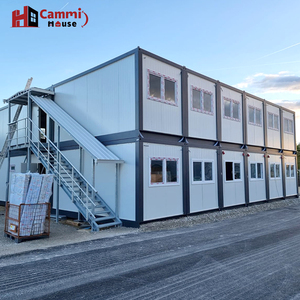
Yes. Using heavy-duty container twist-locks and engineered perimeter joint-weatherstripping, standard 20ft and 40ft units can be combined side-by-side (with internal load-bearing support posts) or vertically stacked up to 3 levels high with exterior steel stairwells to minimize land footprint.