100%
JIS Standard Ready
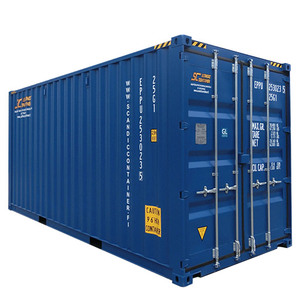
40ft HC
High-Cube Optimized
Corten-A
Anti-Corrosion Grade
Tokyo Bay
Direct Port Clearance
Factory-Engineered Catalog
High-Cube Modular Structures & Storage Platforms
Engineered for high-density metropolitan staging, automated logistics, and seismically certified commercial construction across Tokyo, Kanagawa, and Chiba prefectures.
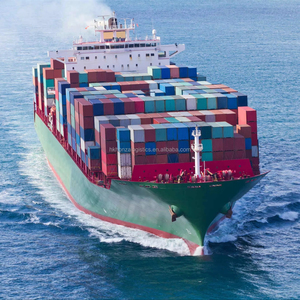
Top 10 40-Foot Shipping Container Suppliers Serving Tokyo (2025 Evaluation)
Procuring 40-foot standard and high-cube intermodal units for deployment across the Tokyo Bay metropolitan sphere demands distinct structural and legal verifications. Unlike standard North American or European deployments, Japanese infrastructure projects governed by the Building Standards Act (Kenbiku - 建築基準法) require specific steel grades (such as JIS G 3101 SS400 or JIS G 3136 SN400) and strict fabrication tracking. Below is an exhaustive structural and logistical assessment of the top 10 factories, manufacturers, and international distribution hubs serving Tokyo terminals including Oi, Shinagawa, and Yokohama.
CIMC (China International Marine Containers)
The global volume leader in intermodal hardware. CIMC operates dedicated fabrication lines certified for standard ISO containers along with specialized Japanese architectural steel fabrication.
- Primary Bay Route: Shanghai/Qingdao to Tokyo Port
- Certification: ISO 1496, JIS Structural Frame Options
- Core Specialization: Mass Output Dry Cargo & Specialized Frames
Custom Container Living (CCL International Direct)
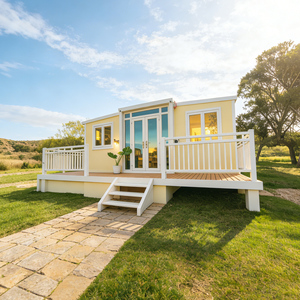
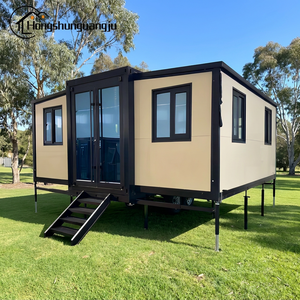
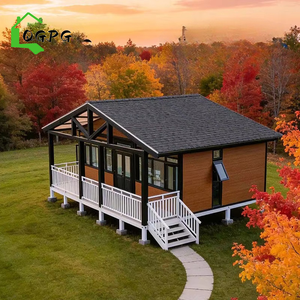
Pioneering in-house design, thermal engineering, and full MEP interior finishing since 2015. CCL coordinates direct engineering protocols for turnkey modular offices, multi-family units, and luxury high-cube residences destined for maritime transport to Japan.
- Primary Bay Route: Direct Pacific Freight / Yokohama Depots
- Certification: Full MEP Factory Integrated, ASTM / JIS Compatible
- Core Specialization: Turnkey ADU, High-Cube Modular Living & ADA Units
Singamas Container Holdings
Singamas is a prime supplier of dry freight 40-foot and 40-foot High Cube units to shipping lines berthing at Oi Container Terminal. Their custom modification division fabricates offshore generator enclosures and electrical substations.
- Primary Bay Route: Ningbo/Shenzhen to Yokohama
- Certification: CSC, DNV GL, ISO 9001
- Core Specialization: Heavy Machinery Enclosures & Reefers
Sankyo Frontier Co., Ltd.
Headquartered in Kashiwa, Chiba, Sankyo Frontier is Japan’s domestic powerhouse for modular unit manufacturing. They specialize in lightweight steel modular units optimized explicitly for Japanese domestic fire zones and narrow access roads.
- Primary Bay Route: Domestic Kanto Logistics Fleet
- Certification: Full Japanese Building Standards Act Compliant
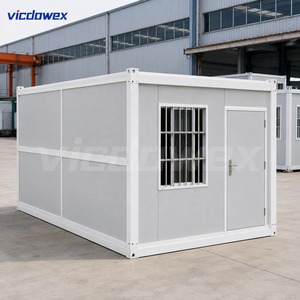
- Core Specialization: Quick-Assembly Commercial Modular Offices
CXIC Group Enterprise
Operating massive manufacturing clusters in Changzhou, CXIC supplies standardized 40ft dry containers and specialized insulated units extensively used by shipping cartels connecting Tokyo Bay with transnational logistics chains.
- Primary Bay Route: Shanghai to Tokyo / Kawasaki
- Certification: ISO 9001, ABS, BV, CCS
- Core Specialization: High-Volume Standard Intermodal Dry Shells
Nippon Container System (NCS)
A premier Japanese procurement and lease agent specializing in ISO-certified marine containers and structural conversion modules customized for Tokyo port staging depots, industrial cold-rooms, and self-storage parks.
- Primary Bay Route: Tokyo/Yokohama On-Dock Inventory
- Certification: JIS Modification Protocol, ClassNK
- Core Specialization: Port-Side Staging, Industrial Cold Storage
COSCO SHIPPING Development Co.
The manufacturing branch of COSCO produces intermodal units engineered with Corten-A weathering steel. Their facilities supply customized 40-foot platforms for green data centers and maritime energy transit corridors entering Japan.
- Primary Bay Route: Qingdao/Dalian to Tokyo Bay
- Certification: CSC Certified, Lloyd's Register
- Core Specialization: Bespoke Intermodal Logistics Platforms
TLS Offshore Containers / Modular
Specializes in offshore containerization and blast-resistant specialized modular units. Frequently selected by multinational EPC contractors managing infrastructural retrofits and heavy-duty staging projects along Kanagawa's Keihin Industrial Zone.
- Primary Bay Route: Singapore/China to Yokohama
- Certification: DNV 2.7-1 / EN 12079, ISO 1496
- Core Specialization: Pressurized Modules, Hazardous Storage
Daiei Kankyo Modular Systems
Focusing on disaster prevention structures and eco-conscious recycling conversion, this domestic specialist retrofits imported 40-foot container chassis into municipal emergency command posts and environmental testing laboratories across Kanto.
- Primary Bay Route: Domestic Distribution (Greater Tokyo)
- Certification: Disaster Preparedness Standard, MLIT Guidelines
- Core Specialization: Emergency Response & Environmental Pods
Denray Japan Modular Frameworks
A technical bridge engineering group facilitating the import of high-cube 40-foot container shells configured with external moment-resisting steel framing, permitting multi-story stacking within Tokyo’s fire defense districts (防火地域).
- Primary Bay Route: Direct Port Delivery (Oi / Daikoku Pier)
- Certification: Article 38 Special Building Approvals
- Core Specialization: Multi-Tier Commercial Stacking Structures
Technical Specification Matrix: 40-Foot ISO vs. Kenbiku-Compliant Structural Modules
| Specification Feature | Standard 40ft ISO Intermodal Container | 40ft High-Cube Kenbiku-Ready Architectural Shell |
|---|---|---|
| External Dimensions (L × W × H) | 12,192 mm × 2,438 mm × 2,591 mm (8'6") | 12,192 mm × 2,438 mm × 2,896 mm (9'6" HC) |
| Structural Steel Type | SPA-H / Corten-A Weathering Steel | JIS G 3101 SS400 or JIS G 3136 SN400B Rated Steel |
| Corner Casting & Pillar Design | ISO 1161 Standard Castings, Cold-formed Pillars | Thickened RHS Structural Columns w/ Full-Penetration Welds |
| Tokyo Bay Fire Zone Compatibility | Non-compliant as permanent residential without modification | Readily clad with Fire-Rated Non-Combustible Panels (不燃材料) |
| Thermal Insulation Protocol | Uninsulated / Bare Marine Corrugated Plate | Factory Spray Polyurethane Foam (Closed-Cell) + Thermal Breaks |
Metropolitan Integration
Localized Applications & Urban Trends in Greater Tokyo
The Tokyo Metropolitan Government’s rigorous urban development policies and heightened earthquake disaster mitigation strategies have accelerated the deployment of customized 40-foot modular steel units across both waterfront logistics and urban renewal sectors.
Bay Logistics & Data Hubs
Within Koto, Shinagawa, and Ota wards, 40ft High Cube containers serve as modular server clusters and rapid automated storage hubs. Their high strength-to-footprint ratio enables swift installation directly adjacent to Tokyo Port infrastructure without extensive sub-grade foundational drilling.
Pop-Up Commercial & Retail
Districts like Shibuya, Shimokitazawa, and Odaiba rely on modified 40-foot containers for dynamic urban revitalization projects. Featuring cantilevered double glass cutouts, these units support micro-boutiques, outdoor dining parks, and temporary community hubs that can be rapidly relocated.
Disaster Shelters & Clinics
Under Japan’s disaster risk reduction mandates, pre-engineered 40ft containerized mobile clinics, emergency satellite command pods, and mobile water desalination units are kept strategically positioned across Kanto river basins and municipal staging zones for immediate post-earthquake deployment.
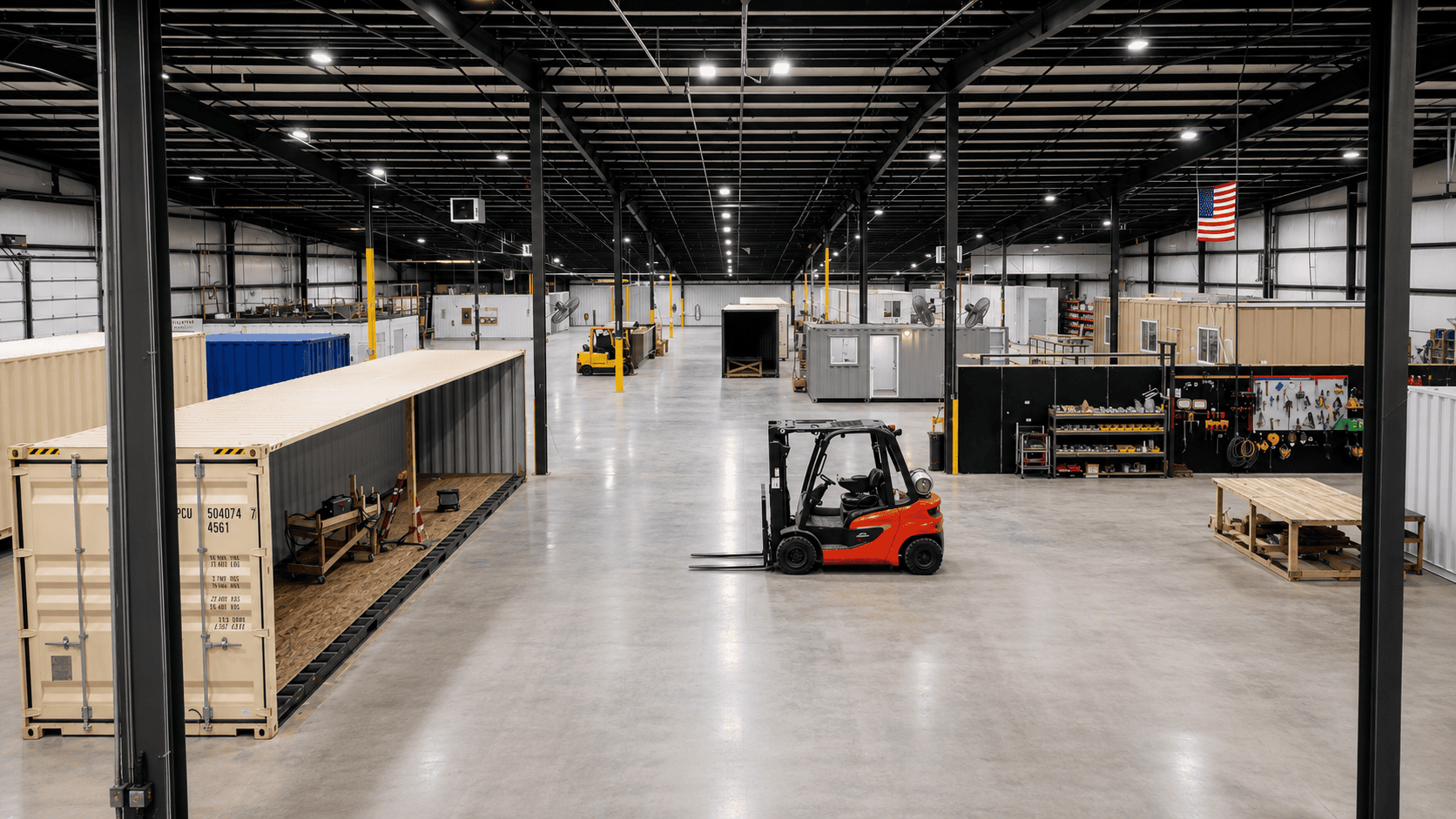
Factory-Direct Engineering: The Custom Container Living Edge
Established in 2015 by master builder Robert Wagoner, our team eliminates expensive broker markups by unifying structural steel fabrication, architectural engineering, certified insulation, plumbing, electrical installations, and premium finishes under a single production roof.
- Turnkey MEP Fabrication: Fully integrated wiring and plumbing systems pre-fitted to pass destination port scrutiny.
- Structural Anti-Corrosion Finishing: Multi-coat epoxy marine coatings designed to withstand salty Tokyo Bay atmospheric conditions.
- End-to-End Logistical Accountability: Factory verification, packing, and direct vessel shipping to Tokyo and Yokohama container wharves.
Procurement Intelligence
Frequently Asked Questions: Sourcing 40ft Containers in Tokyo
Essential regulatory, structural, and logistical guidance for Japanese commercial buyers, architects, and site logistics managers.
Q1: Can standard ISO 40-foot shipping containers receive building permits in Tokyo?
Under Article 20 of Japan's Building Standards Act (Kenbiku), standard second-hand ISO shipping containers made with unspecified Corten steel rarely obtain building certification without comprehensive structural re-engineering. Permanent architectural projects require structural steel with certified mill sheets (JIS SS400 or SN400) and certified welding records. Our specialized architectural shells are engineered to support full Kenbiku certification paths.
Q2: What are the transport restrictions for 40ft High Cube containers on Tokyo roadways?
Navigating 40ft High Cube containers (9'6" height) through central Tokyo requires careful route planning. Japanese road laws limit standard transport height to 3.8m unless traversing designated "Special Route Clearance Networks" (重要物流道路). Hauling a High Cube unit requires a low-bed trailer (low-chassis) or special permits issued by the Ministry of Land, Infrastructure, Transport and Tourism (MLIT).
Q3: How do factories combat condensation and extreme temperature shifts in Tokyo’s humid summers?
Due to intense humidity and heavy seasonal rains in Tokyo and Chiba, bare steel boxes suffer from aggressive internal condensation. We apply continuous closed-cell polyurethane spray foam (minimum 50mm–75mm thickness) directly to corrugated steel walls to break thermal bridging, complemented by factory-installed commercial energy recovery ventilation (ERV) systems.
Q4: How are 40-foot container foundations engineered for earthquake safety in Japan?
Containers used for structural purposes cannot simply rest on standard ground levelers or temporary timber ties. Japanese structural codes require reinforced concrete strip or mat foundations with embedded steel plates. The four corner castings (or intermediate structural columns) must be securely welded or high-strength bolted to the foundation to withstand Level-2 seismic ground motions.
Q5: What is the typical transit lead time from factory fabrication to Tokyo Port berthing?
Factory fabrication, custom cutting, structural reinforcement, and internal fit-out typically span 4 to 8 weeks depending on configuration complexity. Maritime freight directly to Tokyo or Yokohama Port takes roughly 4 to 18 days depending on the dispatch port, followed by 3 to 5 business days for Japan Customs clearance, phytosanitary checks, and port drayage dispatch.
Q6: What customs documentation is required for specialized container imports at Tokyo Port?
Commercial shipments require the Commercial Invoice, Packing List, Ocean Bill of Lading (B/L), Mill Test Reports (MTR) for steel components, and the CSC Safety Approval Plate certificate. If timber flooring is installed, compliance with international phytosanitary quarantine measures (ISPM 15 heat treatment) is strictly verified by Japan Animal and Plant Quarantine Service.