Top China Multi-Family Container Homes Manufacturer & Factory Serving Kenya

Precision Engineering, High Thermal Efficiency, and Scalable Turnkey Housing Delivered Directly to Mombasa & Inland Container Depots.

50+ Year
Corten Shell Design Life
75% Faster
Build Speed vs Masonry
100% Turnkey
Pre-Fitted MEP & Insulation
KEBS & ISO
Standard Compliant
Catalog Showcase

Modular Solutions Engineered for Rapid African Urbanization

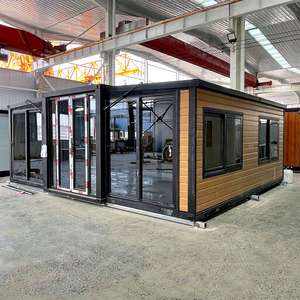
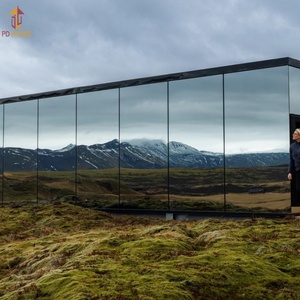
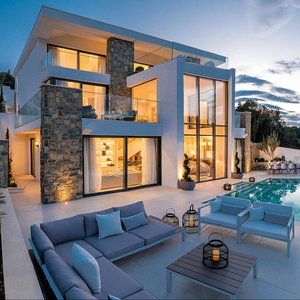
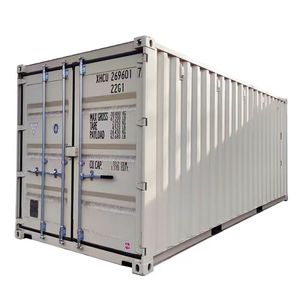
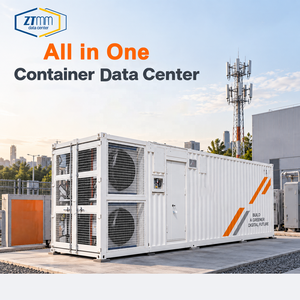
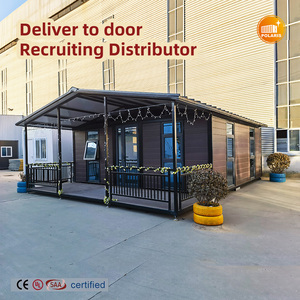
Select from prefabricated multi-family living units, expandable dwellings, site support nodes, and marine-grade containers optimized for freight transit and immediate site drop.
Strategic Field Deployments

High-Density, Turnkey Container Habitation Across Kenya’s Key Microclimates

From the humid coastal belt of Mombasa to the high-altitude expanses of Nairobi and Eldoret, shipping container structures must be engineered to overcome drastic diurnal temperature swings, corrosive airborne salinity, and rigorous municipal zoning guidelines.

Modern developers throughout East Africa face steep financing hurdles, inflated raw material expenses (cement, quarry stone, timber), and unpredictable construction delays. As Kenya actively pushes its Affordable Housing Programme (AHP), industrialized multi-family container architecture offers an institutional-grade pathway to compress delivery timelines while locking in dependable structural performance. When procured directly from an established China manufacturing facility, fully integrated modules arrive with MEP conduits, pre-insulated envelope walls, and surface claddings already executed to millimetric tolerances.

Nairobi Perimeter Urban Residential Blocks

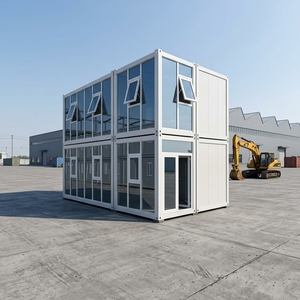
Multi-story cluster developments in satellite growth corridors such as Ruiru, Athi River, Kikuyu, and Kitengela. Stackable high-cube volumetric steel modules allow developers to deliver dense, multi-family studio and 2-bedroom rental apartment complexes within 90 days from foundation pour.

  • Stackable up to 6 stories with minimal structural reinforcement
  • Standardized modular plumbing cores reducing multi-unit leakage risks
  • Class-A polyurethane sandwich panels isolating interior living zones

Coastal Eco-Lodges & Vacation Rentals

Boutique hospitality properties situated in Diani Beach, Kilifi, Malindi, and Watamu. Leveraging anti-corrosive marine paint treatments and floor-to-ceiling panoramic Low-E glazed sliding systems to capitalize on high-yield short-term holiday rentals.

  • C5-M certified marine epoxy and polyurethane coastal coating
  • Integrated passive roof decks with treated timber-plastic composite shading
  • Rapid foundation footprint mitigating disruption to delicate sandy topsoil

Tertiary Student Housing & Academic Hostels

Institutional multi-bed accommodations serving private and state universities near Juja (JKUAT), Eldoret (Moi University), and Kahawa (Kenyatta University). Delivering private, self-contained student units complete with pre-fitted kitchenettes and bathrooms.

  • Acoustic decoupling insulation ensuring compliant inter-room privacy
  • Vandal-resistant fixtures and anti-slip composite vinyl flooring
  • Turnkey plug-and-play MEP integration directly compatible with local 240V grids

Remote Agricultural, Mining & Geothermal Infrastructure Camps

Heavy-duty, demountable workforce quarters deployed across the Rift Valley (Naivasha, Olkaria geothermal fields) and tea/flower plantations in Kericho and Nakuru. Built to withstand rugged cross-country logistics, continuous relocation, and intense geothermal sulfur fumes without exterior wall degradation.

  • Heavy structural Corten steel chassis resistant to structural torsion during transit
  • Hermetically sealed door and window flashings keeping out vermin, dust, and equatorial rainstorms
  • Solar-ready structural roof purlins and integrated inverter connection trunks
Market Dynamics & Structural Feasibility

The Kenya Modular Transition: Why Steel Containers Outperform Brick & Mortar

Kenya's annual housing demand outstrips current supply by over 200,000 units per year. Conventional quarry-stone masonry is burdened by site pilferage, compounding artisan costs, and protracted curing intervals. Modular manufacturing provides institutional predictability.

Sourcing directly from our specialized China container fabrication hub enables institutional clients and private property developers to bypass fragmented East African supply chains. Every module is framed using authentic SPA-H Corten weathering steel, internally insulated with continuous thermal-break systems, and dry-finished to eliminate wet-trade delays on Kenyan soil. Below is a comparative performance analysis illustrating why offsite steel modular construction provides superior risk-adjusted ROI.

Evaluation Parameter Direct-Import Modular Container Homes Traditional Kenyan Quarry Stone & Mortar
Structural Frame & Integrity 1.6mm - 2.0mm Corten Corrugated Steel; Seismic Zone 4 compliant Unreinforced quarry stones bound by variable cement ratios
Fabrication & Assembly Speed 30-45 days factory build + 30 days ocean logistics + 7 days assembly 9 to 18 months per multi-unit structure; prone to rain delays
Thermal & Acoustic Barrier 75mm-100mm PU/Rockwool core + vapor barrier (U-value < 0.28 W/m²K) 200mm solid stone walls with high thermal mass, reradiating heat at night
Portability & Scalability Fully demountable, relocatable, and vertical/horizontal modular expansion Permanent; demolition required for alterations or site reconfiguration
Waste & Quality Control Zero site waste; ISO 9001 certified precision jig alignment High on-site aggregate waste (15-25%); inconsistent mortar strengths
Enterprise Advantage

Why Direct-From-Source China Manufacturing Guarantees Quality

Eliminate middleman brokerage margins, unverified fabrication practices, and compromised steel grades by collaborating directly with our specialized export production complex.

Single-Point Accountable Engineering

We are a dedicated manufacturer, not an export trading broker. From the structural plasma cutting, precision MIG welding, and steel reinforcement to interior MEP cabinetry and electrical fit-outs, every stage occurs under one industrial roof in our advanced production plant.

Marine-Grade Corten & Anti-Corrosion Systems

Unlike makeshift conversions of weathered second-hand boxes, our primary living units utilize genuine Corten steel chassis treated with two-pack zinc-rich epoxy primers and polyurethane protective finishes, specifically formulated for high UV index and saline coastal regions.

Kenya-Specific Standards & Compliance Verification

Our electrical distribution grids are fitted with BS 7671 compliant wiring, UK-type square 3-pin fused plugs (Type G, 240V 50Hz), and heavy-duty PVC/PPR plumbing lines pressure-tested before export, ensuring immediate approval during physical KEBS verification.

Optimized Intermodal Freight Logistics (Mombasa Port & Nairobi ICD)

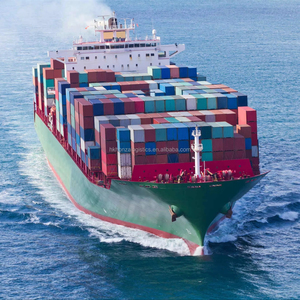
All residential and commercial modules are designed within ISO shipping envelopes or shipped as SOC (Shipper Owned Containers). This allows direct carriage on standard container vessels, zero equipment repossession friction, and streamlined customs clearance through the Kenya Revenue Authority (KRA) via the Single Window System.

Knowledge Center

Frequently Asked Questions by Kenyan Developers & Homeowners

Essential guidance covering customs duties, building approvals, foundation works, and thermal climate control in Kenya.
Do container homes in Kenya require building permits and NEMA approval?
Yes. The physical development of container homes in Kenya falls under the National Building Regulations and county-specific municipal development controls (such as Nairobi City County Urban Planning Directorate, Kiambu, or Mombasa County). Because container structures are placed on structural foundations (pad footings or reinforced concrete plinths), you will need architectural drawings stamped by a registered BORAQS architect and structural engineer, followed by approval from the National Construction Authority (NCA) and a NEMA (National Environment Management Authority) clearance summary. We provide detailed CAD structural calculation sheets to speed up your local consultant's submission.
How do container homes perform in hot regions like Mombasa, Garissa, or Turkana?
Unmodified shipping containers trap immense radiant solar heat. However, our engineered prefabricated living units feature an integrated thermal-break envelope. We install 75mm to 100mm high-density polyurethane (PU) foam sandwich panels or high-grade rockwool with reflective aluminum vapor barriers. Paired with Low-E double-pane insulated glazing, elevated secondary tropical flyover roofs, and cross-ventilation window orientations, interior ambient temperatures remain comfortably between 21°C and 25°C without overburdening air conditioning loads.
What is the import clearance process at the Port of Mombasa and Nairobi ICD?
Our container modules are imported under standard HS Code classifications for Prefabricated Buildings (HS Code: 9406). Before dispatch from China, goods undergo Pre-Export Verification of Conformity (PVoC) by KEBS-appointed agents (such as SGS, Bureau Veritas, or Intertek) to obtain a Certificate of Conformity (CoC). Upon arrival at Mombasa Port or railing via the SGR to Nairobi Inland Container Depot (ICD Embakasi), your local clearing agent files entry via the KRA Simba/iCMS system, paying relevant import duty, Railway Development Levy (RDL), and Import Declaration Fee (IDF).
What type of foundation is required for multi-family container blocks?
Because container structures concentrate their load bearing on their four ISO corner castings, you do not need continuous trench footings or extensive concrete slabs over expansive black cotton soil commonly found in areas like Kitengela, Athi River, or Ruiru. Simple reinforced concrete isolated pad foundations or ground screw piles placed directly beneath the corner castings are typically sufficient. This slashes foundation site costs and earthwork expenses by up to 60% compared to traditional masonry.
Can the multi-family units be linked and stacked multiple floors high?
ISO shipping containers are structurally engineered to be stacked 7 to 9 tiers high under full ocean cargo weight. In multi-family residential setups, our modified container frames can be stacked 3 stories high without external secondary steel frames using heavy twist-locks and corner casting welds. For larger 4 to 6 story apartment complexes, we incorporate external steel columns and prefabricated modular stairwell/walkway balconies into the architectural design package.

Ready to Build Your Next High-Yield Modular Project in Kenya?

Speak directly with our factory engineering team. Request technical layouts, custom multi-family floor plans, CIF Mombasa price schedules, and container accommodation specifications today.

Get Catalog