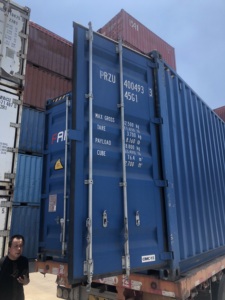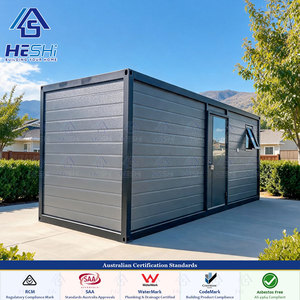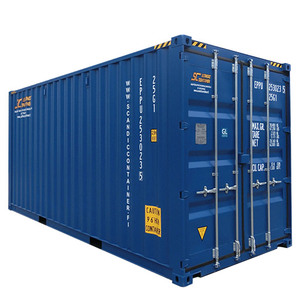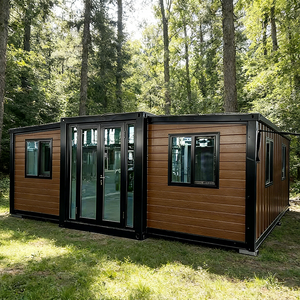
Engineered off-site to reduce Singapore on-site footprint and man-hours. Fully modularized, scalable, and plug-and-play ready for site infrastructure, commercial pop-ups, and specialized offshore applications.
Deploying modified shipping containers in Singapore requires profound understanding of both tropical equatorial environmental dynamics and local statutory oversight. Sourcing directly from our state-of-the-art Chinese manufacturing facilities bridges the gap between cost-efficiency and compliance with statutory frameworks established by the Building and Construction Authority (BCA), Singapore Civil Defence Force (SCDF), and the Urban Redevelopment Authority (URA).
Singapore mandates Design for Manufacturing and Assembly (DfMA) to minimize foreign worker density on-site. Our container modifications are up to 90% prefabricated off-site in China, featuring integrated electrical conduit runs, plumbing risers, and acoustic insulation, drastically reducing on-site man-days.
Container insulation in Singapore must resist thermal transmission under severe conditions without generating toxic smoke. We replace standard flammable PU foams with non-combustible Class '0' Rockwool panels and calcium silicate boards compliant with Singapore Standard (SS) requirements.
With an average relative humidity of 84% and constant marine salinity along industrial ports like Tuas and Jurong Island, our Corten-A shells receive an ISO 12944 standard C5-M high-durability epoxy-zinc primer and polyurethane finishing to prevent oxidation.
From petrochemical facilities on reclaimed land to high-density commercial activations, our modified units serve diverse, high-spec functional roles across Singapore:
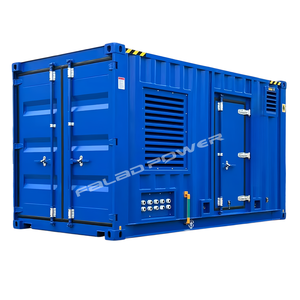
Explosion-proof auxiliary control rooms, on-site laboratory testing stations, containerized silent diesel generator enclosures (1000kW+), and specialized battery energy storage system (BESS) shells engineered for extreme ambient operating temperatures.
Turnkey, stackable site administration command posts, meeting suites, and heavy-duty sanitary blocks built for long infrastructure project cycles (Cross Island Line, Deep Tunnel Sewerage System) that require frequent relocation without frame warping.
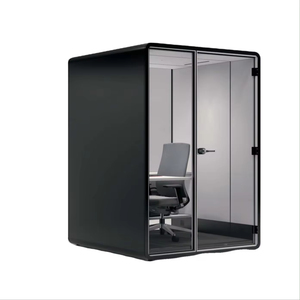
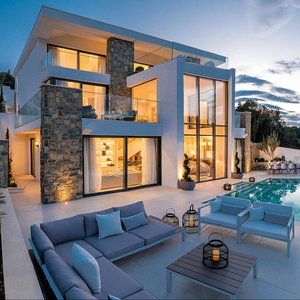
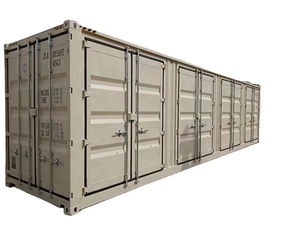
Full side-opening high-cube retail conversions, modular cafe pods for Sentosa / Marina Bay pop-ups, and acoustic office phone booths engineered for FinTech hubs around Raffles Place and one-north requiring rapid assembly and low acoustic leakage.
Understanding the exact material requirements between domestic standard containers and Singapore commercial-grade deployments is critical for successful permit approvals and lifespan management.
| Engineering Parameter | Standard Modified Container | Singapore Coastal/Industrial Modified (Our Spec) |
|---|---|---|
| Base Steel Shell | Standard Mild Steel (Q235B) | Cor-Ten A (SPA-H) Atmospheric Weathering Steel |
| Protective Coating | Single-pack Alkyd Paint (60-80μm) | ISO 12944 C5-M Multi-layer Zinc Rich Epoxy + PU Finish (180-220μm) |
| Thermal Core Wall | EPS / Glass Wool (Flammable risk) | High-density Non-combustible Rockwool (100kg/m³) + Calcium Silicate |
| Flooring System | 28mm Marine Plywood | Heavy-duty Fiber Cement Board + Anti-slip Aluminum Checker / Vinyl Overlay |
| Electrical Standard | Generic GB / Domestic Wiring | Concealed LSZH Wiring, BS 1363 (Type G) British Sockets, RCBO Protection |
| Structural Lifting Rig | Standard Corner Castings | ISO 1161 Certified Corner Castings with Verified Sling Test Documentation |
As the Singapore Green Plan 2030 drives aggressive decarbonization across the built environment sector, containerized construction is undergoing a technological renaissance:
Developers are prioritizing verified once-used (one-trip) Corten steel units over virgin steel fabrication. Repurposing robust maritime structures provides significant embodied carbon savings, qualifying developments for enhanced BCA Green Mark Scheme scores.
With Singapore's grid constraint challenges and solar-plus-storage mandates on industrial land, modified container units are increasingly engineered as decentralized microgrids, incorporating roof-mounted bifacial photovoltaic arrays and integrated inverter racks.
Modern remote operations across Singapore's port facilities require environmental intelligence. Factory-installed IoT environmental sensors monitor real-time thermal transfer, interior humidity, air changes per hour (ACH), and structural deflection during site relocation.
Unlike trading intermediaries or localized secondary workshops, we operate an integrated industrial manufacturing complex dedicated to high-performance modular construction:
From automated laser cutting of corrugated panels to dedicated shot-blasting booths, robotic MIG/TIG welding cells, and clean-room fit-out tracks, every fabrication phase is conducted under one roof with zero third-party subcontracting risks.
Every modular unit passes strict 5-stage quality gates: dimensional squareness verification, ultrasonic weld bead inspection, pressurized water-tightness chamber testing, megger electrical insulation testing, and dry film coating thickness audits.
We handle export customs manifests, fumigation certificates, seaworthiness surveys, and multimodal container shipping directly into Singapore ports, offering seamless CIF or DDP coordination with your designated local logistics forwarder.
Connect with our technical engineering team for structural blueprints, BIM/CAD files, thermal insulation data sheets, and custom CIF Jurong/PSA quotes.