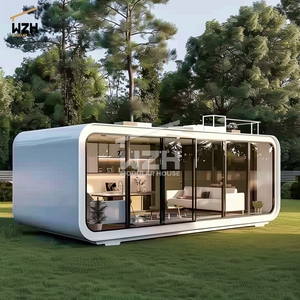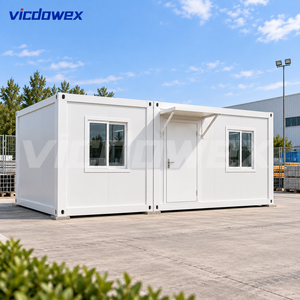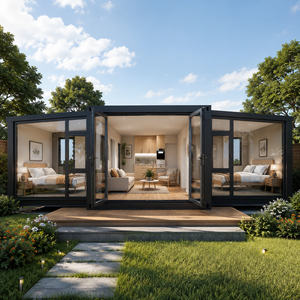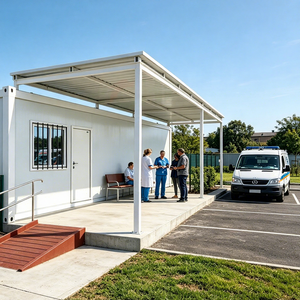
Precision-modified ISO intermodal steel shipping containers, architecturally optimized for rapid field deployment, extreme climatic resistance, and structural longevity.
The Kingdom of Morocco sits at a pivotal geopolitical and industrial crossroad. With sweeping infrastructure initiatives under the Plan Maroc Vert, the expansion of high-speed rail networks, massive renewable ventures such as the Noor Ouarzazate Solar Complex, and real estate preparations leading toward international athletic celebrations, traditional on-site masonry and reinforced concrete construction methodologies face severe constraints. Prolonged lead times, volatile cement prices, high water usage, and skilled labor shortages across remote construction zones have accelerated the strategic migration toward modified ISO shipping containers and off-site prefabrication.
Modified intermodal containers represent an optimal structural baseline. Fabricated from heavy-duty ASTM A588 or SPA-H Corten steel, these standardized transport modules are engineered from conception to endure severe transverse torsional loads, high-density stacking (up to 9 tiers fully loaded), and corrosive marine atmospheres. When repurposed into architectural assets, containers deliver exceptional seismic integrity, inherent structural rigidity, and accelerated build velocity—reducing project cycle times by up to 60% compared to conventional brick-and-mortar installations.
Deploying modified container architectures within Morocco requires deep engineering adaptation. The nation's diverse bioclimatic zones demand specialized envelope assemblies to overcome extreme diurnal thermal variations, intense marine humidity along coastal zones, and abrasive dust loads in desert environments.
Southern and interior hubs experience ambient summer peaks beyond 45°C. Bare steel shells without continuous thermal breaks create intense heat islands. We apply closed-cell polyurethane spray foam (ccSPF) directly to the corrugated steel profile, mitigating thermal bridging, preventing interstitial condensation, and yielding superior R-values (R-22 to R-30).
For installations in Tangier, Casablanca, and Agadir, exposure to airborne sodium chlorides mandates stringent surface preparation. Shells are grit-blasted to Sa 2.5 standard, followed by high-build zinc-rich epoxy primers and aliphatic polyurethane topcoats, resisting salt spray corrosion and ultraviolet radiation.
In arid regions like Zagora or Tata, fine sand particulate intrusion can disrupt electrical systems and indoor air quality. Units are outfitted with pressurized variable refrigerant flow (VRF) heat pumps, multi-stage HEPA filtration, and brush-sealed double-rebated utility doorways to maintain clean indoor environments.
The Moroccan container conversion landscape comprises a blend of domestic engineering firms located around Casablanca-Mohammedia logistical clusters, specialized export-driven prefabrication facilities, and international manufacturers capable of shipping high-volume bespoke units via the Tanger Med transshipment hub. The analytical matrix below compares the top industrial operators across production footprint, structural modification competencies, and target market segments.
| Manufacturer / Exporter | Primary Production Base | Specialization Focus | Certifications & Standards | Logistical Reach |
|---|---|---|---|---|
| Custom Container Living | Centralized Factory (Direct Import/Export) | Turnkey Residential, ADA Restrooms, Luxury Commercial Modules | ISO 9001, ASTM Steel Standards, IBC Compliant | Global ocean freight via Tanger Med & Casablanca |
| Morocco Container Fab (Touareg Mod) | Casablanca Industrial Zone | Standard Jobsite Offices, Basic Guard Cabins | Local NM (Normes Marocaines) Standards | Domestic road freight across Northern Morocco |
| Maghreb Modular Systems | Tangier Free Zone (TFZ) | Automotive & Aerospace Supplier Site Offices | ISO 14001, CE Mark Components | Tangier-Tetouan-Al Hoceima corridor |
| Atlas Prefab Engineering | Kenitra Atlantic Free Zone | Industrial Warehousing & Containerized Workshops | EN 1090-2 Structural Steel | Central Morocco & Rabat-Salé agglomeration |
| Sahara Camp Solutions | Agadir | Worker Housing, Mining Camps, Field Kitchens | OSHA Field Compliance, NFPA 101 | Souss-Massa & Southern Provinces |
| Eco-Box Architecture Maroc | Marrakech | Eco-Resort Pods, Glamping Suites, Pop-up Cafes | HQE (Haute Qualité Environnementale) | High Atlas & Tourism Development Areas |
| Al-Bahr Marine Conversions | Mohammedia Port Area | Used Container Reconditioning & Dry Storage | IICL Inspection Standards | Casablanca-Settat Maritime Axis |
| Afri-Steel Modular Prefab | Nador West Med Axis | Flat-pack Container Units & Modular Schools | ISO 9001:2015 | Oriental Region & North African Export |
| Trans-Maghreb Container Works | Fes-Meknes Route | Agricultural Storage, Cold Chain Reefer Conversions | HACCP Interior Standards | Saïss Agricultural Plain |
| Global Container Engineering Hub | International Direct-to-Site | Double-Wing Expandable Homes, Heavy Mining Dorms | ISO 9001, CE, AWS Certified Welding | Direct CIF delivery to any Moroccan Port |
Modern modified containers bypass the structural limits of static architecture. In Morocco, four commercial and public sectors are actively adopting converted steel modules:
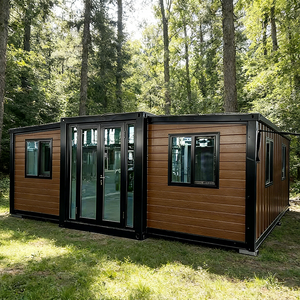
From the desert dunes of Merzouga to the surf coastlines of Taghazout and Imsouane, resort operators face strict zoning laws and ecological protection covenants. Modified container chalets, modular guest capsules, and mobile restaurant bars can be installed on screw piles or strip foundations with minimal landscape disruption. Their modular design allows operators to scale room counts seasonally or relocate assets based on coastal dynamics.
Morocco's Phosphate plateau (Khouribga, Benguerir, Gantour) and extensive green hydrogen infrastructure projects require durable temporary living quarters. Heavy steel frame containerized dormitories, mobile ablution blocks, and centralized tactical site offices withstand high-wind dust events while providing mine-grade thermal comfort and MEP stability.
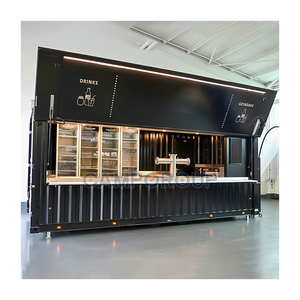
Urban youth culture in Casablanca, Rabat, and Tangier has embraced shipping container aesthetics. Modified 20ft open-side containers and roof-deck cafes offer food and retail startups turnkey, secure premises with hydraulic awnings, pre-certified electrical systems, and architectural appeal that outpaces traditional leased spaces.
In the wake of seismic events in mountainous regions such as the High Atlas, modular container clinics, mobile emergency classrooms, and sanitary stations offer life-saving infrastructure. Transportable via flatbed trucks, these rigid steel modules deploy within hours of reaching the staging site.
We are not brokers. Engineering calculations, steel plasma cutting, framing, closed-cell insulation, hydraulic plumbing, and turnkey interior finishes take place under one centralized manufacturing roof, ensuring rigorous QA/QC oversight.
For time-critical projects, our ready-to-ship catalog includes pre-built studios, site offices, and mobile restroom containers, bypassing customary custom production queues for accelerated staging and ocean dispatch.
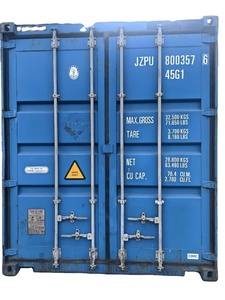
Every architectural modification begins with authentic ISO marine-grade Corten steel containers. Wall cutouts are reinforced with structural hollow square tubes (HSS), preserving load-bearing and multi-tier stacking capacity.
Units leave the factory floor 95% complete. Flooring, cabinetry, light fixtures, and plumbing fixtures are factory-installed. Once offloaded onto your pad or pier foundation, final utility tie-in requires minimal field labor.
Engineered for remote sites. Units can be pre-wired for solar PV connectivity, integrated inverter banks, blackwater holding vaults, and rainwater harvesting catchments for true utility independence.
Built upon practical construction expertise rather than theoretical designs, our modular builds unite conventional structural framing techniques with advanced marine steel fabrication.
Key regulatory, logistical, and technical considerations for acquiring modified shipping containers in Morocco.
Consult with our modular architectural engineers today. We review your layout drawings, technical site parameters, and maritime delivery schedules to deliver fully finished, certified structures.
Contact Us